
Life in 2026 is moving faster than ever. Technology is changing how people work, shop, learn, and communicate. At the same time, many people are searching for ways to feel calmer, save time, improve finances, and create a healthier routine. Smarter living is not about having the most expensive gadgets or following every trend. It is about making better choices that improve everyday life in practical and meaningful ways.
The idea of smarter living focuses on efficiency, balance, and awareness. It means using available tools wisely, creating routines that reduce stress, and making decisions that support long-term well-being. In a world full of distractions and endless options, smart living is about simplicity with purpose.
By 2026, people are realizing that success is not only measured by how busy they are. It is also measured by peace of mind, financial stability, physical health, emotional wellness, and the freedom to spend time on what truly matters. This guide explores practical ways to live smarter in modern times and how small changes can create a big impact.
Understanding What Smarter Living Really Means

Smarter living is often misunderstood as a lifestyle filled with automation and technology. While smart tools can help, the real meaning goes deeper. It means using time carefully, reducing waste, staying organized, and making thoughtful choices that improve quality of life.
A person who lives smartly may choose to plan meals in advance, automate bill payments, limit unnecessary expenses, and keep a healthy sleep routine. Another person may focus on learning valuable skills, maintaining strong relationships, and protecting mental peace. Both approaches reflect smarter living because they are intentional and effective.
In 2026, smart living is personal. There is no single formula. What matters is finding systems and habits that support your unique goals and responsibilities.
Creating a Smarter Morning Routine
How you begin the day often shapes everything that follows. A rushed and chaotic morning can create stress before work or study even starts. A calmer and structured morning builds focus and confidence.
Smarter mornings begin the night before. Preparing clothes, organizing your workspace, and deciding breakfast early can remove unnecessary pressure. Waking up at a consistent time also helps regulate energy and mood.
Many people in 2026 are choosing to avoid checking social media immediately after waking. Instead, they start with water, movement, stretching, prayer, journaling, or a few minutes of silence. These habits help the mind wake up with clarity instead of distraction.
Even a short morning routine can improve the entire day. It does not need to be perfect or long. It only needs to support your well-being.
Managing Time with More Intention

One of the biggest challenges in modern life is time management. Notifications, meetings, messages, and unexpected tasks can make days feel unproductive. Smarter living requires learning how to protect time.
Many people are using time blocks to organize work. Instead of reacting all day, they assign hours for focused tasks, calls, breaks, and personal responsibilities. This reduces mental overload.
Another useful habit is identifying the three most important tasks each day. When priorities are clear, energy is spent where it matters most. It becomes easier to feel progress instead of constant busyness.
Rest is also part of smart time management. Scheduling breaks prevents burnout and helps maintain performance.
Using Technology Wisely
Technology is one of the greatest tools of 2026, but it can also become a major distraction. Smarter living means controlling technology rather than being controlled by it.
Phones, apps, and smart devices can help with reminders, budgeting, learning, navigation, and communication. When used with intention, they save time and simplify life. However, endless scrolling and constant notifications can steal focus.
Many people are simplifying their digital lives by removing unnecessary apps, turning off non-essential alerts, and setting screen-free times. This creates healthier boundaries.
Smart homes are also becoming common. Automated lighting, security systems, and energy-saving devices help households run more smoothly while reducing waste.
Smarter Money Habits for 2026
Financial wellness is a major part of smarter living. Money stress affects health, relationships, and peace of mind. The goal is not only earning more but managing money better.
Creating a simple monthly budget helps people understand where money goes. Tracking spending often reveals habits that can be improved. Small daily expenses can become large over time.
Automatic savings transfers are popular in 2026 because they make saving consistent. Even modest amounts saved regularly can create security over time.
Smarter spending also means choosing quality over impulse buying. People are becoming more selective and thoughtful about purchases, asking whether an item truly adds value.
Learning about investing, debt reduction, and emergency funds is also helping people feel more in control of their future.
Building a Healthier Lifestyle
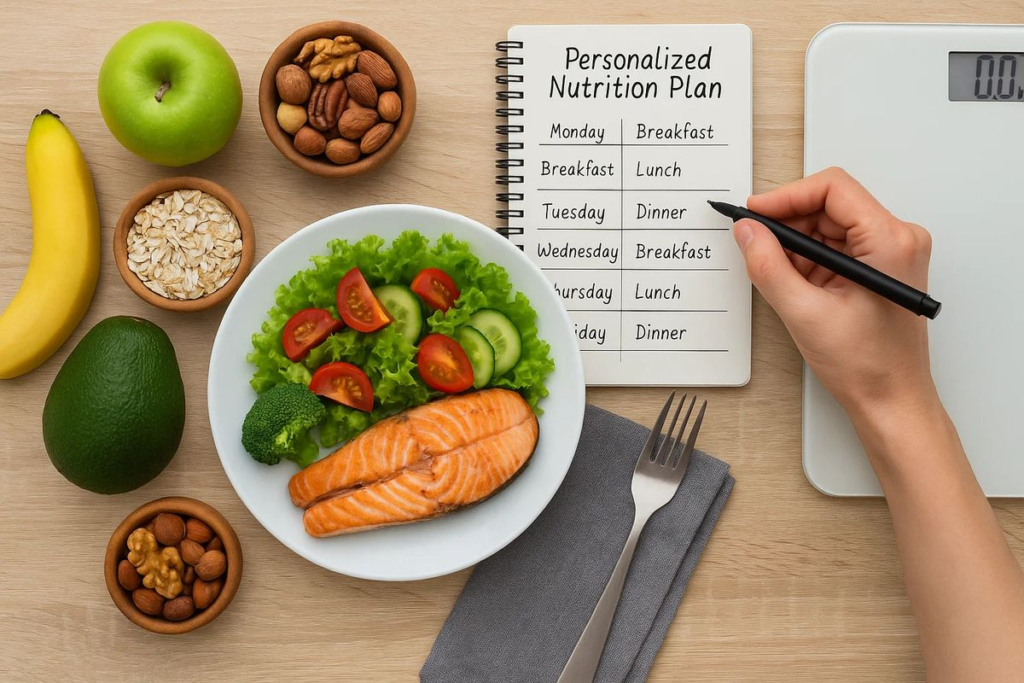
No smart lifestyle works without health. Physical energy affects productivity, mood, and long-term happiness. In 2026, people are focusing less on extreme fitness trends and more on sustainable wellness.
Walking daily, improving sleep, drinking enough water, and eating balanced meals remain some of the most effective habits. Wearable devices now help track movement, heart rate, and sleep patterns, giving users more awareness.
Mental health is receiving equal importance. Stress management practices such as mindfulness, therapy, breathing exercises, and time outdoors are becoming part of normal routines.
The smartest health plan is one that can be maintained consistently. Extreme efforts often fail, while simple habits create lasting change.
Keeping the Home Organized and Peaceful
Your environment affects your mind more than many people realize. Cluttered spaces can increase stress and reduce focus. Organized spaces often feel calmer and easier to manage.
Smarter living does not require a perfect house. It means having systems that keep things manageable. Giving items fixed places, doing quick daily resets, and reducing unnecessary possessions can make a huge difference.
Many households are embracing minimalism in practical ways. Instead of buying more storage, they own fewer things that matter more. This saves money, time, and cleaning effort.
A peaceful home also includes emotional atmosphere. Respectful communication, shared responsibilities, and moments of rest matter just as much as tidy shelves.
Learning Continuously in a Changing World


The world is changing quickly, and skills can become outdated faster than before. Smarter living in 2026 includes continuous learning.
Online courses, podcasts, digital libraries, and expert communities make learning more accessible than ever. People are studying communication, finance, design, technology, languages, and leadership from home.
Learning is no longer limited to school years. It is now part of adult life and career growth. Even spending twenty minutes daily on learning can create long-term benefits.
Curiosity is one of the smartest habits a person can develop.
Protecting Mental Space
Modern life brings information from every direction. News, opinions, social media, and constant comparisons can become exhausting. Smarter living means protecting mental space.
Many people are becoming more selective about what they consume. They unfollow accounts that create negativity and choose content that educates or inspires.
Alone time is also becoming valuable. Quiet reflection helps people think clearly and reconnect with personal priorities.
Learning to say no is another powerful skill. Protecting time and energy from unnecessary commitments creates space for what truly matters.
Strengthening Relationships
No lifestyle feels successful without meaningful relationships. Smarter living includes investing in family, friendships, and healthy communication.
In 2026, busy schedules can make connection difficult. That is why intentional effort matters. Regular calls, shared meals, thoughtful messages, and quality conversations build stronger bonds.
Listening well is often more valuable than speaking more. Being present without constant phone distraction improves trust and closeness.
Healthy relationships provide emotional support, perspective, and joy that no productivity system can replace.
Sustainability and Conscious Choices

More people are connecting personal choices with global impact. Smarter living includes reducing waste and making sustainable decisions where possible.
Using reusable items, saving electricity, choosing durable products, and reducing food waste are practical examples. These habits often save money while helping the environment.
Sustainability does not need to be extreme. Even small daily choices matter when repeated consistently.
Why Smarter Living Matters in 2026
The pace of life continues to increase. Without intention, people can become overwhelmed, distracted, and exhausted. Smarter living matters because it creates stability inside a fast-moving world.
It helps people save time, reduce stress, improve health, and use money more wisely. It creates room for growth, relationships, and enjoyment.
Most importantly, smarter living reminds people that a better life is often built through small habits rather than dramatic changes.
How to Start Today
The best way to begin is simply. Choose one area of life that feels heavy right now. It may be finances, clutter, stress, sleep, or time management. Start with one realistic change.
Wake fifteen minutes earlier. Organize one room. Create a spending plan. Walk daily. Turn off unnecessary notifications. Prepare meals twice a week.
Consistency matters more than intensity. Small smart actions repeated daily can transform life over time.
FAQs
1.What does smarter living mean in 2026?
Smarter living means using time, money, technology, and habits in a thoughtful way to improve daily life, reduce stress, and create balance.
2.How can I start living smarter?
Start with one simple change such as planning your day, budgeting money, improving sleep, or reducing distractions.
3.Is smarter living only about technology?
No, technology can help, but smarter living also includes health, organization, relationships, and emotional well-being.
4.Why is time management important for smart living?
Good time management helps reduce stress, improve productivity, and create more free time for important priorities.
5.Can smarter living help save money?
Yes, budgeting, avoiding impulse purchases, automating savings, and using resources efficiently can improve finances.
- Best Timer Games 2026: Ultimate Speed Challenges to Try

- Mario Kart World 2026: Everything You Need to Know About the New Racing Game

- iPhone 18 Pro 2026 Guide: New Features, Design, Camera & Performance

- Smart Home Technology 2026: New Trends, Gadgets & Ideas
- Future Shopping Trends: Smart Ways to Save Money

- Lili Estefan 2026: Everything You Need to Know