
If you step outside today, odds are half the people you pass have little plastic stems or buds tucked into their ears. We use them for everything—surviving crowded subways, drowning out chatty coworkers, taking phone calls while walking the dog, or just zoning out with a podcast while doing the dishes. Bose Earbuds have become part of this wireless listening experience, while wireless earbuds overall have gone from a cool tech luxury to an absolute daily necessity.
When you start shopping around for a pair that will actually last, one brand comes up constantly: Bose. People talk about them like they are the gold standard for quiet, but they also carry a serious price tag.
So, what is the actual reality behind the brand? Do they live up to the hype, or are you just paying extra for a famous logo? Let’s walk through how Bose earbuds actually work in real life, where they shine, where they fall short, and how to figure out if they make sense for your wallet.
Why Bose Still Holds Up in a Crowded Market

Virtually every tech company makes earbuds now. You can spend twenty bucks on a basic pair from a gas station or hundreds on flagship models from phone makers. Bose managed to stay relevant because they didn’t just throw cheap speakers into a plastic shell; they focused heavily on three specific things that people actually notice every day.
1. Sound That Doesn’t Fatigue Your Ears
Some headphones try to impress you right away by blasting overwhelming, muddy bass. Others are tuned so sharp and flat that acoustic guitars sound like nails on a chalkboard. Bose takes a middle ground. They tune their audio to feel warm, deep, and balanced. The vocals stay front and center, the instruments sound like they have space to breathe, and the bass is punchy without giving you a headache after half an hour.
2. Quiet That Feels Like Magic
If Bose is famous for one thing, it is active noise cancellation (ANC). Plenty of brands claim to block out noise, but Bose actually pulls it off without making your ears feel like they are inside a vacuum chamber. Whether it’s the low hum of a refrigerator, the roar of a jet engine, or ambient cafe chatter, their noise blocking creates an instant, eerie sense of quiet.
3. They Don’t Hurt to Wear
This is the big one that people forget when reading spec sheets online. A pair of earbuds can have the best audio drivers on earth, but if your ear canals hurt after thirty minutes, you will hate using them. Instead of wedging hard plastic plugs deep into your ear canal, Bose uses soft, umbrella-shaped silicone tips that gently rest against the inside of your ear bowl. They stay put without wedging themselves in like corks.
How the Noise Cancellation Actually Works (In Plain English)
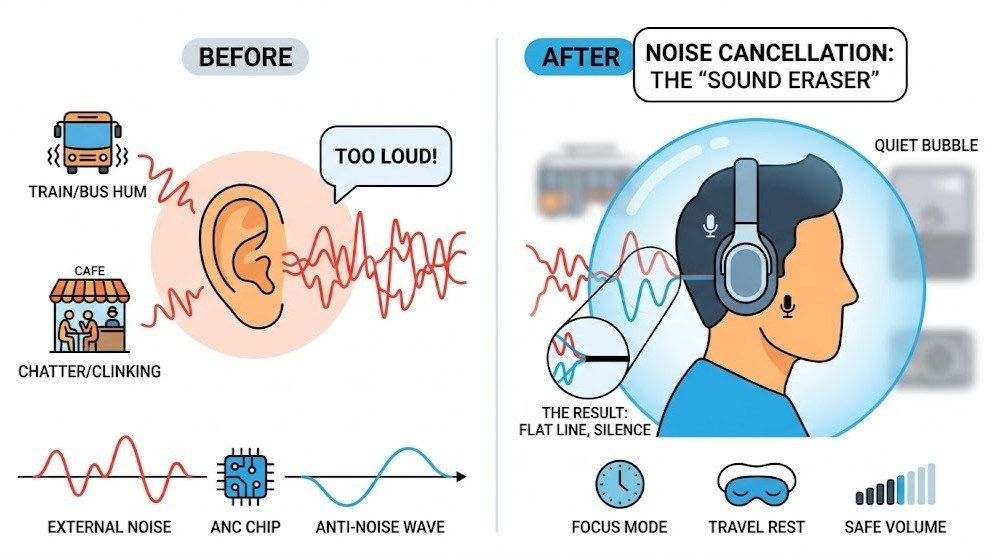
You will hear two terms thrown around a lot when shopping: passive isolation and active noise cancellation. They sound complex, but the difference is actually pretty simple.
- Passive Isolation is just physical block. Think of it like wearing earplugs. The silicone tip creates a physical seal in your ear, naturally muffling high-pitched, sudden noises like someone clapping or a door slamming shut.
- Active Noise Cancellation (ANC) is electronic trickery. Tiny microphones on the outside of the earbud listen to the noise around you—like the steady rumble of a bus engine. The computer chip inside instantly creates a reverse sound wave that cancels out that noise before it hits your brain.
Knowing When to Turn It Off
Total silence is great on an airplane, but it is dangerous when you are jogging down a busy street or trying to hear your flight being called at an airport gate.
That’s why Bose builds in an Aware Mode (often called Transparency mode on other devices). With a quick tap on the side of the earbud, the external microphones feed the sounds of the outside world directly into your ears alongside your music. You can order a coffee or chat with a neighbor without ever touching your earbuds.
Even better, if a loud truck suddenly zooms past while you’re in Aware Mode, the tech automatically clamps down on that sudden blast of noise to protect your ears, then smoothly goes right back to letting you hear ambient conversations.
What Are They Like for Daily Use?
Different routines demand different things from your gear. Here is how these earbuds stack up depending on what your day usually looks like:
For Commuters and Travelers
If you spend hours on buses, trains, or planes, this is where Bose earns every penny. The constant low-frequency drone of engines disappears the moment you turn on Quiet Mode. Because the ear tips sit gently, you don’t get that uncomfortable “ear pressure” sensation that some other heavy-duty noise-cancelling buds create on long trips.
For Calls and Remote Work
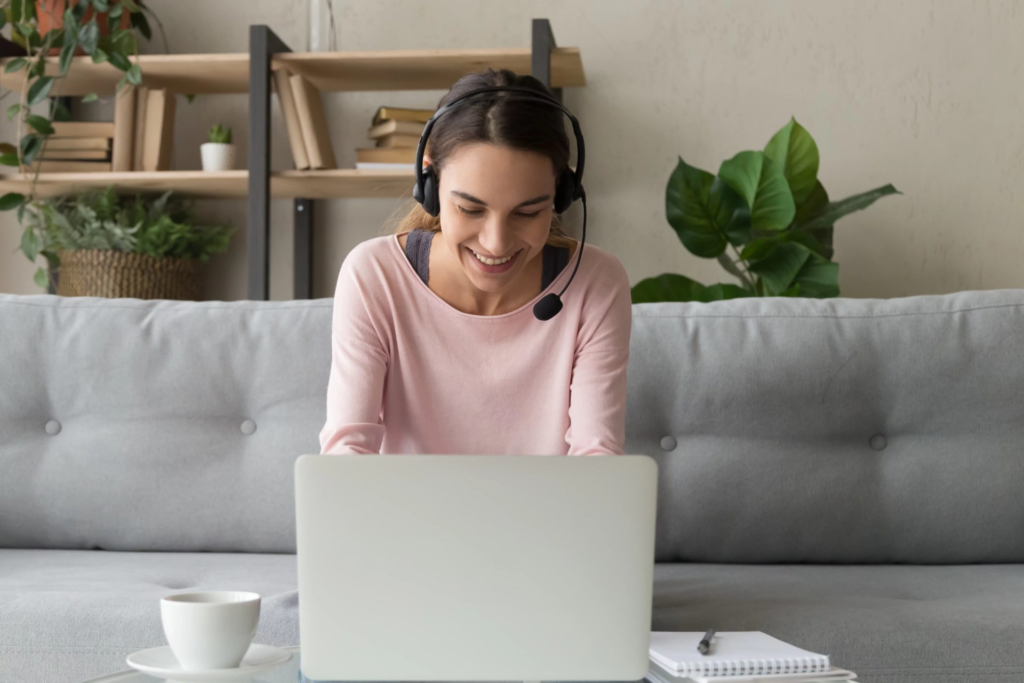
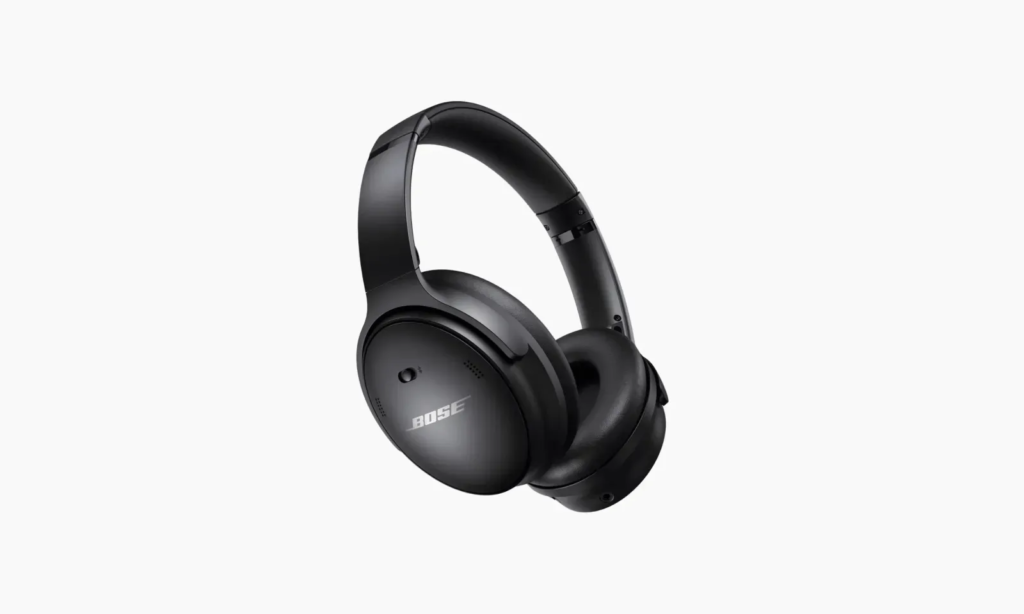
Taking meetings on the go can be a nightmare if your mic picks up every dog bark and passing car. Bose builds multiple microphones into each earbud specifically to isolate your voice from background noise.
If you constantly switch between taking Zoom calls on a laptop and answering phone calls on your mobile, make sure to turn on Bluetooth Multipoint. It keeps the earbuds connected to both devices at the same time, so audio automatically switches over to whichever device starts ringing.
For Exercise and Workouts
Sweat is the enemy of electronics. Most modern Bose earbuds carry an IPX4 rating, which means they can handle heavy sweat, light rain, and accidental water splashes without short-circuiting. The soft silicone fins on the tips tuck right under the folds of your ear, keeping them firmly anchored even when you’re running, jumping, or doing heavy lifts.
The Reality of Battery Life and Charging
Earbud batteries are tiny, so manage your expectations reasonably.
- On a Single Charge: Expect about 6 hours of continuous music playback with full noise cancellation running.
- The Charging Case: When you aren’t using the buds, you drop them back into their hard case. The case holds enough built-in power to recharge them roughly 3 to 4 times over before you need to plug the case into a wall. That gives you around 24 hours of total play time on a trip.
- Quick Top-Ups: If you pull your earbuds out right before a workout only to find them dead, dropping them in the case for just 20 minutes usually gives you enough juice for about 2 hours of listening.
A quick maintenance tip: Sweat and skin oils accumulate on the small metallic charging pins over time. If your earbuds suddenly stop charging properly, don’t panic—just take a dry cotton swab and give those small metal contacts a quick wipe.
Should You Get Earbuds or Full-Sized Headphones?
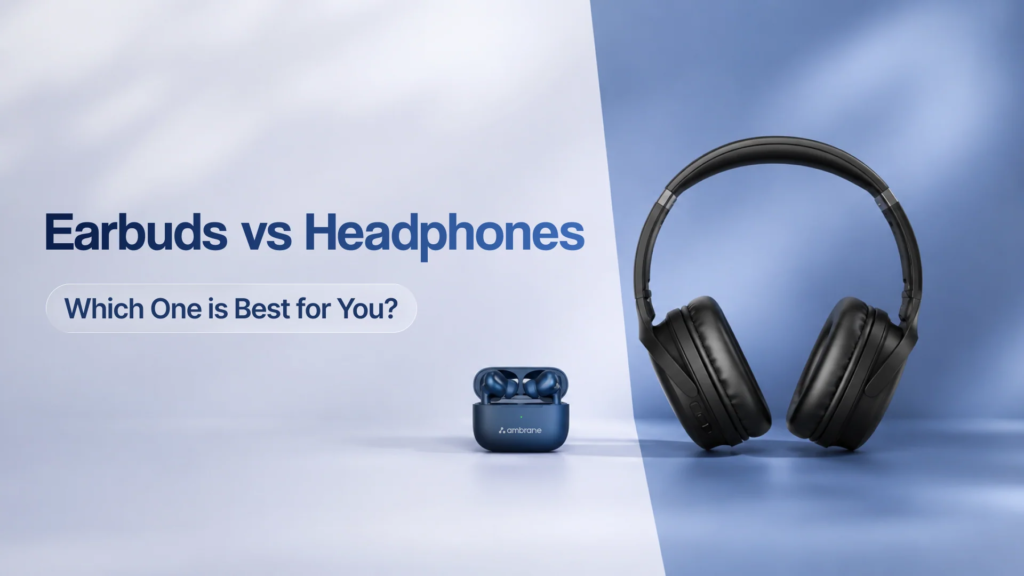
Before throwing down your credit card, ask yourself if earbuds are actually what you need, or if big over-ear headphones make more sense.
Go with Earbuds if:
- You want something tiny that slips right into your pants pocket.
- You plan to exercise, jog, or do outdoor work in them.
- You wear glasses (over-ear headphone pads can press your glasses arms into the side of your head and cause painful pressure spots).
Go with Over-Ear Headphones if:
- You need a battery that lasts 20+ hours straight without going back into a case.
- You hate the feeling of anything touching the inside of your ears.
- You want the maximum possible noise isolation for long, stationary work sessions at a desk.
Getting the Most Out of Your Money

If you decide to buy a pair, keep these three simple rules in mind to make sure you get the best performance out of them:
- Don’t skip the ear tip test. Bose ships their earbuds with different sizes of silicone tips and stability bands. Take ten minutes to try every combination. Human ears are almost never identical—it is completely normal to need a medium tip in your left ear and a large tip in your right ear. If the seal isn’t snug, you will lose almost all your bass performance and half your noise cancellation.
- Download the app, set it, and forget it. You don’t need to use the Bose smartphone app every day, but using it once to tweak the equalizer (boosting the bass or turning up treble for podcasts) makes a huge difference. You can also customize what tapping on the stem actually does.
- Clean the speaker grilles. Earwax buildup is the number one reason earbuds suddenly sound quiet or muffled after a few months. Pop the silicone tips off once a month and gently brush off any debris with a soft toothbrush. Never poke sharp metal pins into the speaker mesh.
The Bottom Line
Bose earbuds aren’t cheap, but they aren’t meant to be budget accessories. They are built for people who prioritize comfort, world-class quiet, and warm, effortless sound quality above all else. If you spend hours every day commuting, working in noisy offices, or traveling, the peace and quiet they deliver makes them well worth the investment.
FAQs
Are Bose earbuds actually worth the money?
Yes, if you value top-tier noise cancellation and all-day comfort. You’re paying for quiet and a fit that doesn’t hurt your ears. If you only listen to casual audio for short bursts, cheaper pairs will do.
Will they fall out during workouts?
No. Their soft silicone wings lock into your outer ear without wedging deep into your ear canal. As long as you pick the right tip size, they stay secure and handle sweat fine.
Why did my earbud suddenly get quiet?
It’s almost always earwax or lint blocking the speaker mesh. Pull off the silicone tip and gently brush the grille with a dry cotton swab. Also, ensure the seal is snug, or bass leaks out.
Can I wear just one earbud at a time?
Yes. You can leave either earbud in the case and use the other solo. It automatically adjusts for calls or mono audio while leaving your other ear free.
What if an earbud stops charging?
Oil and lint usually coat the small metal contact pins. Wipe the gold contacts on both the earbuds and inside the case with a dry cotton swab to restore the connection.