
he world is changing faster than ever, and by 2026 many trends that once seemed futuristic are becoming part of normal daily life. Technology, health awareness, work culture, shopping habits, and personal lifestyles are all evolving in ways that affect how people live each day. What used to be considered innovation is now becoming routine. From smart homes to artificial intelligence, from digital payments to flexible work, future trends are reshaping the way we think, work, communicate, and relax.
The most interesting part of these changes is that they are no longer limited to big companies or tech experts. Everyday people are experiencing these shifts in their homes, offices, schools, and communities. Many of these trends are designed to make life easier, faster, healthier, and more convenient. At the same time, they are changing expectations. People now want instant service, personalized experiences, and better work-life balance.
Understanding future trends is useful because it helps people adapt early. Instead of being surprised by change, you can prepare for it and even benefit from it. Let us explore the major future trends that will change daily life by 2026.
Artificial Intelligence Becoming a Daily Assistant
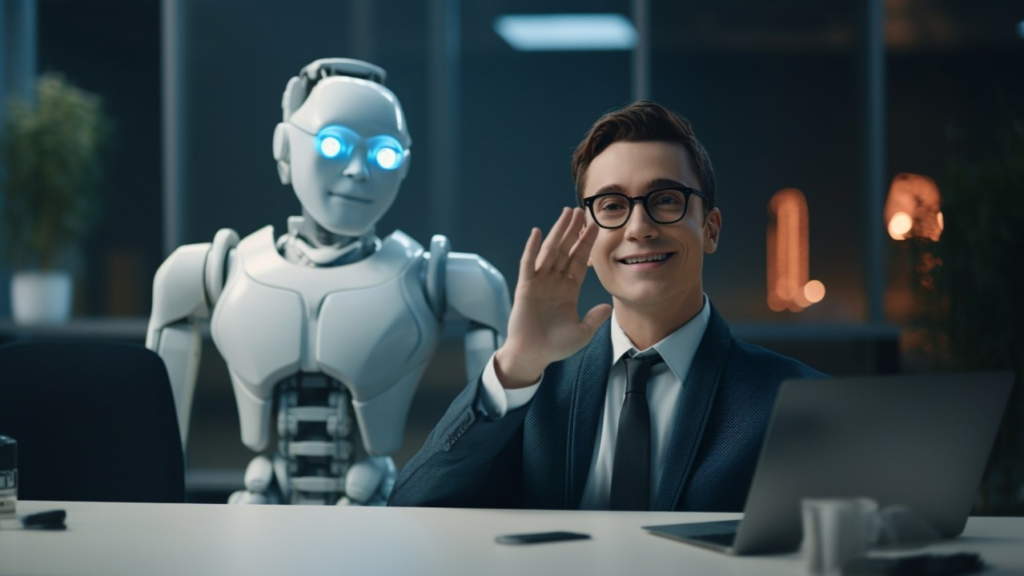
Artificial intelligence is one of the biggest forces shaping modern life. By 2026, AI is becoming a normal part of everyday routines. People use AI tools for writing emails, planning schedules, learning new skills, organizing tasks, and finding quick answers.
Smart assistants are becoming more natural and useful. They can remind you about appointments, suggest better travel routes, help with budgeting, and even support study sessions. AI is also improving customer service through chat systems that solve problems faster than traditional support methods.
For many people, AI is saving time and reducing repetitive work. Instead of replacing daily life, it is becoming a tool that supports it.
Smart Homes Becoming More Common
Homes are becoming smarter and more connected. Devices such as smart lights, security cameras, voice-controlled speakers, and automated appliances are no longer luxury items for a few people. By 2026, many households are adopting smart technology for convenience and efficiency.
Imagine waking up and your curtains open automatically, lights adjust based on natural sunlight, and your coffee starts brewing at the right time. These small changes create smoother mornings and less stress.
Smart home systems are also helping with security and energy savings. People can monitor their homes remotely, lock doors from their phones, and reduce electricity use with better automation.
Flexible Work and Hybrid Careers

The way people work has changed significantly, and by 2026 flexible work continues to grow. Many companies now support hybrid models where employees split time between home and office. Some people are choosing remote jobs entirely, while others are building freelance careers.
This trend is changing daily routines. Commuting every day is no longer necessary for everyone. People are designing workspaces at home, using digital collaboration tools, and managing schedules with more independence.
Flexible work can improve work-life balance when handled properly. It gives people more control over time, family responsibilities, and productivity habits.
Cashless Payments and Digital Money
Carrying physical cash is becoming less common. By 2026, digital payments are dominating everyday transactions in many places. Mobile wallets, QR code payments, contactless cards, and instant bank transfers make buying faster and simpler.
Whether paying for groceries, transport, bills, or online shopping, people increasingly expect quick and secure payment options. This trend saves time and reduces the inconvenience of handling cash or waiting for change.
Digital payment systems are also helping small businesses reach more customers and manage finances more efficiently.
Health Technology at Home
Health is becoming more personal and proactive. By 2026, many people are using wearable devices and home technology to track wellness. Smartwatches can monitor heart rate, sleep quality, movement, and exercise goals.
Instead of waiting until health problems appear, people are paying more attention to prevention. Daily reminders to move, drink water, or rest are becoming normal features of digital life.
Online doctor consultations are also growing. For common concerns, people can speak with healthcare professionals remotely, saving time and increasing convenience.
Personalized Shopping Experiences

Shopping habits are changing quickly. In 2026, customers expect personalized experiences both online and offline. Stores and websites use preferences, purchase history, and smart recommendations to suggest relevant products.
This means less time searching and more accurate results. Clothing stores may recommend your size automatically. Grocery apps may suggest weekly essentials. Entertainment platforms already personalize content, and retail is following the same path.
Sustainable Living Becoming Mainstream
Sustainability is no longer just a trend for a small group of people. By 2026, eco-friendly living is becoming part of daily decision-making. People are choosing reusable products, energy-efficient appliances, electric vehicles, and low-waste habits.
Many households are becoming more conscious about food waste, plastic use, and water consumption. Businesses are also responding with greener packaging and cleaner supply chains.
Sustainable living does not always require dramatic lifestyle changes. Often it starts with simple daily choices that save money and reduce environmental impact.
Learning Anytime and Anywhere
Education is changing beyond classrooms. By 2026, learning is more flexible and accessible than ever. People are taking online courses, learning new languages through apps, and developing job skills through short digital programs.
Students can access lessons globally, while working adults can continue learning without leaving jobs. This trend is making personal growth part of daily life rather than something limited to school years.
The idea of lifelong learning is becoming normal. As industries change faster, continuous skill-building is becoming valuable for everyone.
Faster Deliveries and On-Demand Services
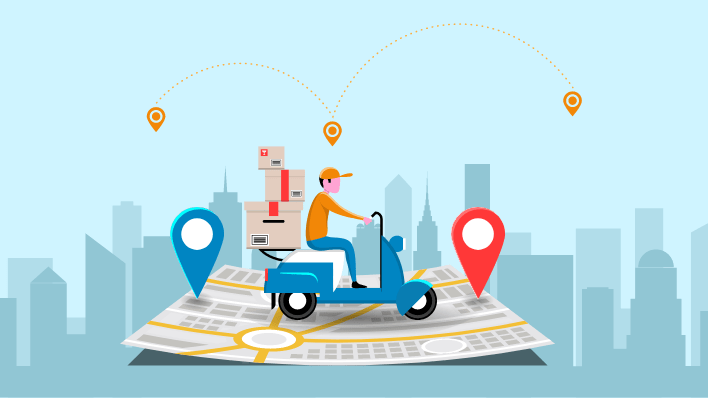
Convenience is a major theme of modern life. By 2026, faster delivery services and on-demand options continue to grow. Groceries, medicines, meals, and household items can often be delivered quickly through apps.
This changes how people plan their days. Instead of spending hours running errands, many tasks can be handled digitally. While traditional shopping still exists, convenience services are becoming part of normal urban life.
People now value saved time as much as saved money.
Mental Wellness as a Priority
For years, productivity dominated lifestyle goals. Now mental wellness is receiving more attention. By 2026, people are placing greater importance on stress management, emotional balance, and healthier routines.
Meditation apps, therapy platforms, digital journals, and mindfulness tools are becoming more common. Employers are also recognizing the value of employee well-being.
This trend is important because success is no longer measured only by busyness. Many people now seek calmer, healthier, and more balanced lives.
Social Media Becoming More Purposeful
Social media remains influential, but user behavior is changing. By 2026, more people are becoming selective about what they follow and how they use platforms. Instead of endless scrolling, users are seeking learning, networking, inspiration, and business growth.
Creators are building communities around education, health, finance, and real-world skills. Short entertainment still exists, but purposeful content is growing strongly.
People are also becoming more aware of screen time and digital boundaries.
Transportation Becoming Smarter
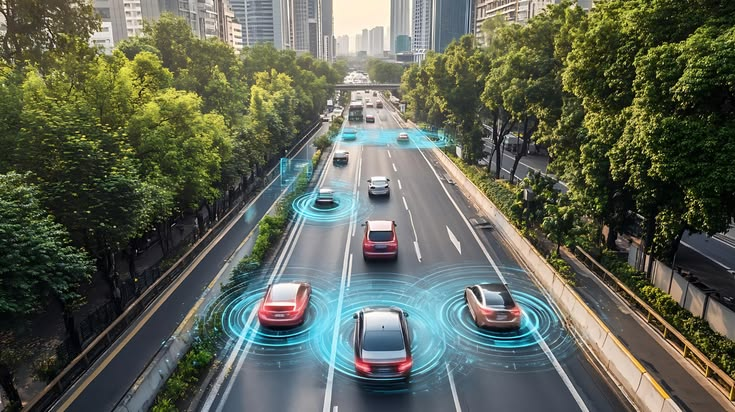
Transportation trends are changing city life. Ride-sharing apps, electric vehicles, route-planning tools, and improved public transport technology are making movement easier.
Navigation apps can predict traffic, suggest fastest options, and integrate different transport modes. Electric scooters and bikes are also becoming common in many urban areas.
By 2026, smarter transportation is helping people save time, reduce fuel costs, and travel more efficiently.
Why These Trends Matter
Future trends are not only about technology. They are about how daily life becomes more efficient, personalized, and flexible. These changes influence how people spend time, earn money, manage health, and connect with others.
Understanding these shifts helps individuals stay prepared. Students can learn relevant skills. Professionals can adapt careers. Families can improve routines. Small businesses can meet changing customer expectations.
Those who notice trends early often gain the biggest advantage.
How to Prepare for Daily Life in 2026
Preparation does not mean buying every new gadget or following every trend. It means staying open to useful change. Learn digital skills, manage online security, improve adaptability, and focus on habits that support health and balance.
Use technology as a tool rather than letting it control your life. Choose convenience that truly helps you. Keep learning, because future success belongs to people who continue growing.
FAQs
1.What are future trends?
Future trends are emerging changes in technology, lifestyle, business, and society that are likely to shape how people live and work in coming years.
2.How will AI affect daily life by 2026?
AI will help with scheduling, learning, communication, customer service, and task management, making everyday routines more efficient.
3.Will remote work continue in 2026?
Yes, many companies are expected to continue hybrid and remote work models because of flexibility and productivity benefits.
4.Why are digital payments growing so fast?
Digital payments are faster, convenient, secure, and easy to use for both customers and businesses.
5.Is sustainable living really becoming mainstream?
Yes, more people are adopting eco-friendly habits because of environmental awareness, cost savings, and better product availability.