
Life today often moves at an exhausting speed. Many people wake up already thinking about unfinished tasks, rush through the day while juggling responsibilities, and end the evening feeling mentally drained. In a world filled with constant notifications, packed schedules, and pressure to always do more, it is easy to lose connection with the present moment. This is why mindful living has become more valuable than ever.
Mindful living is the practice of paying attention to life with awareness, intention, and balance. It means being present in daily experiences instead of living on autopilot. It means making choices that support your physical health, emotional well-being, and inner peace. Mindful living does not require moving to a mountain retreat or giving up modern life. It is about learning how to live more consciously within everyday routines.
In 2026, people are realizing that success without balance often leads to stress, burnout, and dissatisfaction. More individuals are searching for healthier ways to work, rest, eat, think, and connect. Mindful living offers a practical path toward that balance.
This guide explores how mindful living can improve health, reduce stress, and create a more meaningful everyday life.
What Mindful Living Really Means

Many people hear the word mindfulness and imagine meditation only. While meditation can be helpful, mindful living is much broader. It is about awareness in all areas of life.
It means noticing how your body feels instead of ignoring exhaustion. It means eating meals with attention rather than rushing through them while scrolling a screen. It means responding thoughtfully during conversations instead of reacting impulsively. It means recognizing what truly matters instead of constantly chasing distractions.
Mindful living also involves values. It asks whether your habits, schedule, environment, and relationships support the kind of life you want.
At its core, mindfulness is presence. When presence guides decisions, balance often follows.
Why Mindful Living Matters in 2026
Modern life offers convenience, but it also creates overload. People consume more information in a day than previous generations often handled in weeks. Messages arrive constantly. Work and home life blur together. Entertainment is endless. Comparison through social media affects self-worth. Stress becomes normalized.
Mindful living matters because it helps people step out of automatic patterns. Instead of reacting to every demand, it creates space to choose intentionally.
This is especially important in 2026, where mental fatigue and digital distraction are common. Many people do not need more motivation. They need more clarity, calm, and alignment.
Mindful living helps restore those qualities.
Better Health Through Awareness
One of the strongest benefits of mindful living is improved physical health. Many unhealthy patterns happen unconsciously. People skip meals, overeat when stressed, ignore sleep needs, sit too long, or push through exhaustion because they are disconnected from body signals.
Mindfulness brings awareness back to the body. You begin noticing hunger, tension, fatigue, energy changes, and emotional triggers.
For example, mindful eating helps people recognize fullness and enjoy food more naturally. Mindful movement encourages exercise that feels supportive rather than punishing. Mindful rest helps people value sleep instead of treating it as optional.
When people pay attention consistently, healthier choices often happen more naturally.
Stress Reduction and Emotional Balance


Stress is not always caused by responsibilities alone. Often it grows because the mind is trapped in worry about the future or replaying the past. Mindful living gently brings attention back to the present moment, where most situations are more manageable than anxious thoughts suggest.
Simple habits such as pausing for deep breaths, noticing tension in the shoulders, or stepping outside for fresh air can interrupt stress cycles. These small moments of awareness calm the nervous system.
Mindful people also tend to respond rather than react. Instead of speaking harshly during frustration or making rushed decisions in anger, they notice emotions before acting.
This creates emotional balance over time. Feelings still exist, but they become easier to navigate.
Mindful Eating for Better Wellness
Food is one of the easiest places to practice mindfulness. Many people eat quickly, distractedly, or emotionally. Meals become automatic rather than nourishing.
Mindful eating means slowing down enough to notice flavors, textures, hunger, and satisfaction. It means choosing foods that energize the body while still allowing enjoyment.
When people eat with awareness, they often feel more satisfied and less likely to overconsume. They also notice how certain foods affect energy, mood, and digestion.
Mindful eating is not about strict rules. It is about relationship with food becoming healthier and more respectful.
Creating Balance in a Busy Schedule
Many people say they want balance, but schedules often reflect constant urgency. Mindful living invites people to examine how time is spent.
Are commitments aligned with priorities? Is there space for rest? Are there habits that drain energy without adding value?
Balance does not mean every day looks perfect. It means life includes both effort and recovery, productivity and peace, connection and solitude.
Sometimes mindful balance requires saying no. It may mean reducing unnecessary obligations, limiting screen time, or protecting personal time without guilt.
A balanced life is usually built through boundaries, not luck.
Mindfulness in Relationships

Healthy relationships benefit greatly from presence. Many conversations suffer because people are physically there but mentally elsewhere.
Mindful listening means giving full attention instead of preparing the next response. It means noticing tone, emotion, and unspoken needs. This creates deeper understanding and trust.
Mindfulness also improves communication during conflict. Instead of reacting defensively, a mindful pause can create calmer responses.
Appreciation grows too. When people become more present, they notice kindness, effort, and shared moments that may otherwise be missed.
Relationships often improve when attention improves.
Digital Mindfulness in a Connected World
Technology is useful, but unconscious use can create anxiety, distraction, and comparison. Mindful living in 2026 requires a healthier relationship with screens.
Digital mindfulness means noticing when technology serves you and when it controls you. It may involve checking messages intentionally instead of constantly, reducing endless scrolling, or creating phone-free times during meals and before sleep.
It also means curating what you consume. Content that inspires, educates, or uplifts feels different from content that drains attention.
You do not need to reject technology. You simply need to use it with awareness.
Simple Daily Mindful Practices
Mindful living grows through small repeated actions. A slow morning breath before checking your phone can shift the tone of the day. Taking a short walk without headphones can reconnect you with surroundings. Pausing before meals can create gratitude. Reflecting in the evening can build self-awareness.
Even ordinary tasks like washing dishes, making tea, or organizing a room can become mindful when done with attention.
The goal is not to perform mindfulness perfectly. It is to return to presence again and again.
Why Mindful Living Feels Powerful
Many people search for dramatic life changes when what they truly need is deeper connection to ordinary life. Mindful living feels powerful because it transforms daily moments.
The same cup of tea tastes better when fully noticed. The same walk feels calmer when attention is present. The same conversation becomes warmer when listening deeply.
Mindfulness does not always change circumstances immediately, but it often changes the experience of those circumstances.
That shift can improve quality of life in meaningful ways.
Common Misunderstandings About Mindfulness
Some people think mindful living means being slow, passive, or detached from ambition. In reality, mindfulness can make people more effective because focus improves and impulsive decisions decrease.
Others believe they need long meditation sessions to begin. While meditation helps many people, mindful living can start in ordinary moments.
Some assume mindfulness removes stress forever. It does not. Instead, it changes how stress is handled.
Mindful living is practical, not mystical.
How to Start Mindful Living Today
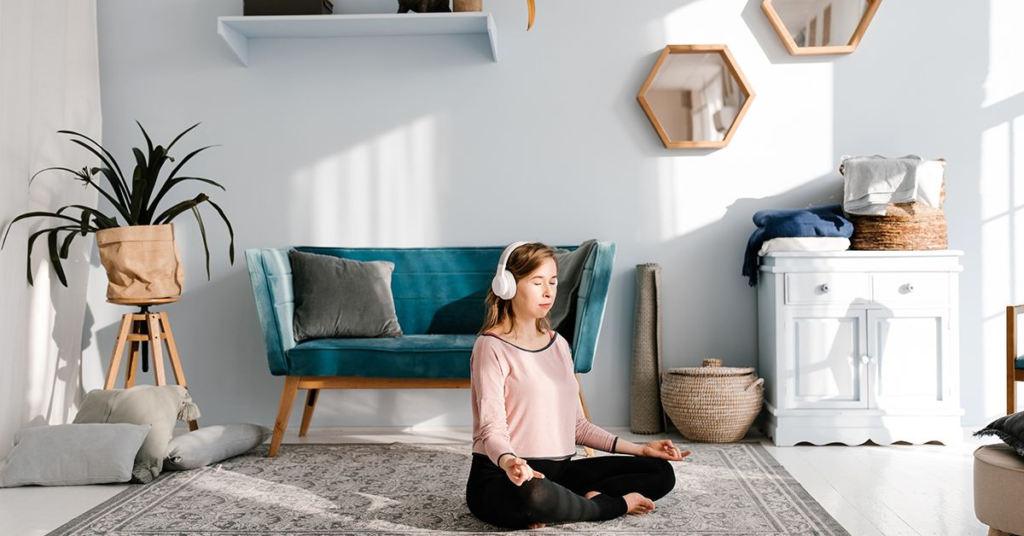
The easiest way to begin is with one area of life. Choose meals, mornings, walking, breathing, or screen use. Bring more attention to that activity each day.
Notice without judging. If the mind wanders, gently return. If habits feel messy, simply observe and reset.
Mindfulness grows through patience. Small consistent awareness often matters more than occasional intense effort.
You do not need a perfect routine to become more mindful. You only need willingness to notice.
FAQs
1.What is mindful living?
Mindful living means living with awareness, presence, and intentional choices that support health, peace, and balance.
2.How does mindfulness improve health?
It helps people notice body needs, reduce stress, improve eating habits, support sleep, and make healthier daily decisions.
3.Can busy people practice mindful living?
Yes. Mindfulness can be practiced in small moments such as breathing pauses, mindful meals, short walks, or focused conversations.
4.Is mindful living the same as meditation?
No. Meditation is one practice within mindfulness, but mindful living includes awareness in everyday actions and decisions.
5.How quickly can mindful living help?
Some people feel calmer quickly through simple habits, while deeper long-term benefits grow with regular practice.