
Modern life often feels busy, fast, and demanding. Many people wake up with a long to-do list and go to sleep wondering where the day went. Between work, studies, family responsibilities, and personal goals, it can seem difficult to find extra time or maintain energy throughout the day. The good news is that productivity does not always require dramatic lifestyle changes. Sometimes the smallest habits create the biggest improvements.
Everyday hacks are simple practical changes that make daily life easier. They help you complete tasks faster, reduce stress, and use your energy wisely. Instead of working harder all day, these smart habits help you work smarter. When repeated consistently, they save hours every week and improve your overall routine.
If you often feel tired, rushed, or unorganized, these everyday hacks can help you build a calmer and more efficient lifestyle.
Why Small Daily Hacks Matter

People often underestimate the power of small habits. They think success only comes from major decisions or huge efforts. In reality, your everyday routine shapes your long-term results. The way you wake up, organize tasks, prepare meals, and manage distractions can either support your goals or drain your energy.
When your routine includes smart systems, you spend less mental energy making decisions. You avoid wasting time on avoidable problems. You also create more space for rest, creativity, and enjoyment.
Daily hacks are not about being busy every minute. They are about removing unnecessary friction so life feels smoother and more manageable.
Start the Night Before
One of the easiest ways to save time tomorrow is to prepare tonight. Many stressful mornings begin because nothing is ready. Clothes are not selected, bags are unpacked, breakfast is undecided, and priorities are unclear.
Spend ten minutes each evening preparing for the next day. Lay out your clothes, organize your workspace, charge devices, and write down your top priorities. This small habit creates a smoother morning and reduces rushed decisions.
When mornings begin calmly, your energy stays stronger throughout the day.
Use the Two-Minute Rule
Some tasks feel heavier than they really are because we keep postponing them. Replying to one email, putting away laundry, filling a bottle, or cleaning a small mess often takes less than two minutes.
If a task can be done in two minutes or less, do it immediately. This prevents tiny responsibilities from building into overwhelming clutter later. It also gives a quick sense of progress that boosts motivation.
Many people waste more energy thinking about simple tasks than actually doing them.
Create a Morning Routine That Works for You


A rushed morning often leads to a distracted day. Instead of checking your phone immediately or reacting to chaos, build a steady routine that supports focus.
Wake up at a consistent time whenever possible. Drink water, stretch lightly, freshen up, and spend a few quiet minutes planning your day. Some people like journaling, reading, walking, or simply sitting in silence before beginning work.
A healthy morning routine does not need to be perfect or long. It simply needs to create a positive start.
Batch Similar Tasks Together
Switching constantly between different tasks drains mental energy. If you answer messages, then cook, then study, then clean, then return to messages, your brain uses extra effort each time it changes focus.
Batching means grouping similar tasks together. Answer emails in one session. Run errands in one trip. Prepare meals in one block of time. Clean several areas in one round instead of repeatedly starting and stopping.
This method saves time because momentum builds naturally when you stay in the same mode.
Keep Essentials in Fixed Places
Many people lose surprising amounts of time searching for keys, chargers, wallets, notebooks, or headphones. These moments feel small but happen repeatedly.
Choose a fixed place for daily essentials and always return items there after use. Keep bags packed with common necessities. Store frequently used items where they are easiest to access.
Organization is not about perfection. It is about making life easier by reducing avoidable searching.
Plan Only Three Main Priorities Each Day
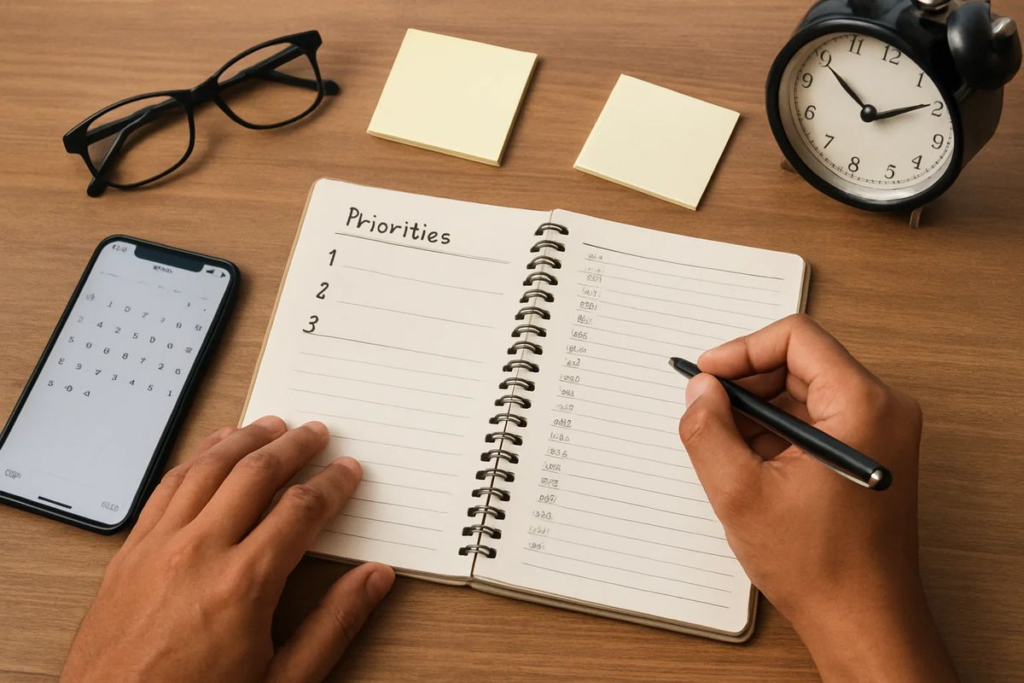
Long task lists often create stress rather than progress. When everything feels urgent, focus becomes difficult.
Instead of listing twenty tasks, choose three important priorities each day. These should be tasks that truly move your work or life forward. Complete them first while your energy is strongest.
Extra tasks can still be done later, but focusing on three priorities gives clarity and momentum.
This simple method helps many people feel productive without burnout.
Use Technology Wisely
Technology can save time or waste it depending on how it is used. Set reminders for appointments, bills, and deadlines. Use calendar apps for planning. Use notes apps for ideas and shopping lists.
At the same time, limit unnecessary notifications. Constant alerts interrupt concentration and drain mental energy. Turn off notifications that do not matter and check apps intentionally rather than automatically.
Smart technology supports life. Poor technology habits control it.
Meal Prep for Easier Days
One of the most effective daily hacks is reducing food-related stress. Deciding what to eat multiple times each day uses mental energy, especially when you are tired.
Prepare ingredients in advance, cook larger portions, or plan meals for several days. Chop vegetables, store snacks, or make breakfast ready the night before.
Meal preparation saves time, reduces unhealthy last-minute choices, and keeps your day flowing smoothly.
Learn the Power of Saying No
Many people feel exhausted not because they have too much to do, but because they agree to too many unnecessary commitments.
Protecting your time is an essential life skill. You do not need to attend every event, answer every request immediately, or accept every extra responsibility.
Respectful boundaries save time and energy. They allow you to focus on what truly matters.
Saying no to one thing often means saying yes to peace, health, or progress.
Use Short Energy Breaks

Working nonstop often lowers productivity. The brain and body need brief recovery moments to stay sharp.
Take short breaks during the day. Stand up, stretch, drink water, walk for a few minutes, or rest your eyes from screens. These small resets can improve concentration and reduce fatigue.
Many people think breaks waste time, but smart breaks often help you finish faster and better.
Keep Your Space Light and Clean
Your environment affects energy more than many people realize. A cluttered desk, messy room, or disorganized kitchen can create mental noise and stress.
Spend a few minutes daily resetting your surroundings. Clear surfaces, put items away, and keep commonly used spaces functional.
A cleaner environment often leads to clearer thinking and smoother routines.
Protect Your Sleep Routine
No time-saving trick can replace proper rest. Poor sleep reduces concentration, mood, patience, and physical energy. It often causes mistakes that waste even more time the next day.
Try to sleep at consistent times. Reduce screen use before bed, keep your room comfortable, and avoid overstimulation late at night.
Good sleep is one of the most powerful productivity hacks available.
Automate Repetitive Decisions
Decision fatigue is real. The more choices you make, the more tired your mind becomes.
Simplify recurring decisions where possible. Rotate a few favorite breakfasts. Use a weekly cleaning schedule. Set recurring bill payments. Wear easy outfit combinations. Use templates for repeated work tasks.
Automation reduces stress and saves mental energy for more meaningful choices.
Focus on Progress, Not Perfection
Many people waste time trying to make everything perfect. They delay starting, overthink small details, or repeat work unnecessarily.
In many daily tasks, done well is better than done perfectly. Send the email, start the project, clean enough, and keep moving.
Perfectionism often hides as productivity but usually creates delay.
Progress builds confidence and results faster than endless hesitation.
How Consistency Changes Everything
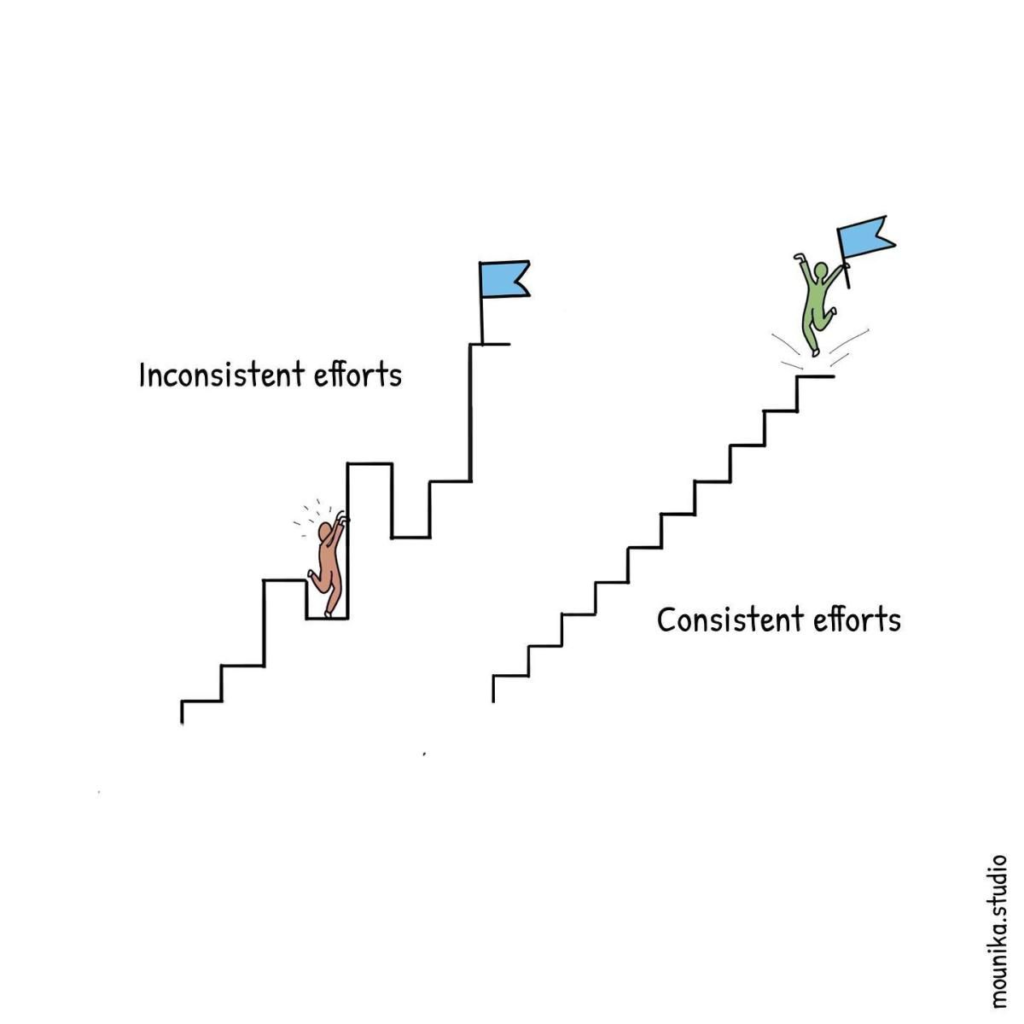
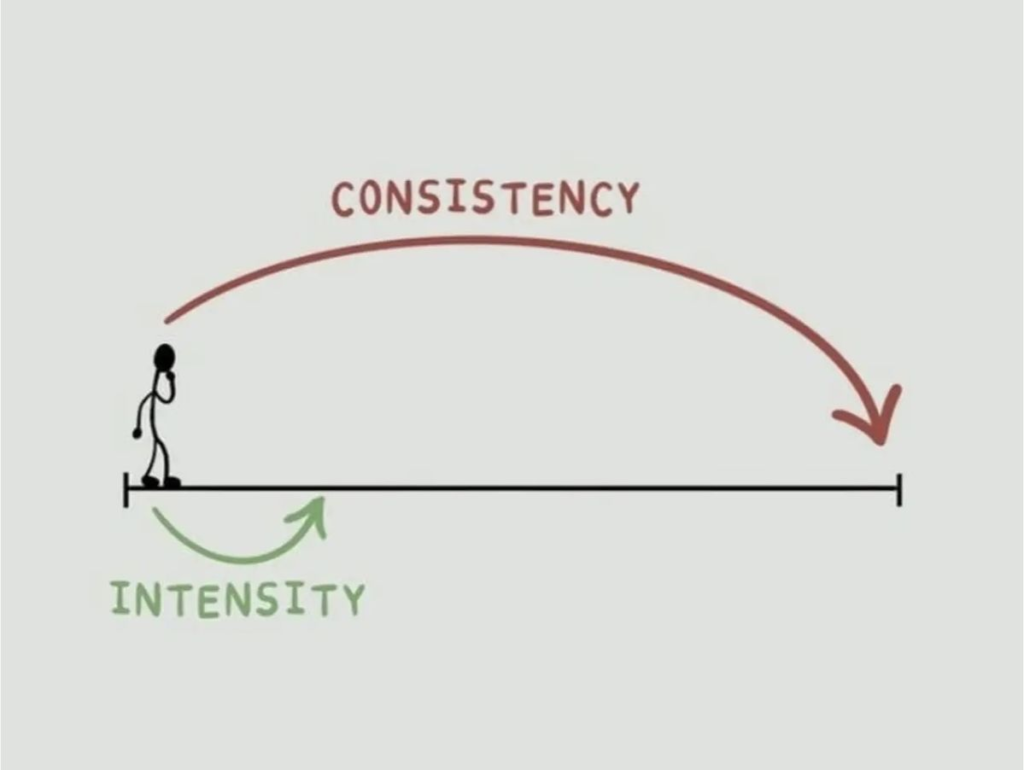
The real power of everyday hacks comes through repetition. Preparing once helps for a day. Preparing regularly changes your lifestyle. Cleaning for five minutes once helps briefly. Cleaning five minutes daily creates order.
You do not need to adopt every hack at once. Choose two or three that solve your current struggles. Practice them until they feel natural. Then add more if needed.
Small consistent systems often outperform occasional big efforts.
A Better Daily Life Is Built in Small Moments
Saving time and energy is not about becoming robotic or scheduling every second. It is about reducing unnecessary stress so you can enjoy life more fully.
When mornings are smoother, spaces are organized, priorities are clear, and your body is rested, everything feels lighter. You become more available for meaningful work, relationships, creativity, and personal growth.
The best everyday hacks are not complicated. They are practical habits that quietly improve your life day after day.
Start with one change today. A better routine begins with one simple decision.
FAQs
1.What are everyday hacks?
Everyday hacks are simple practical habits or systems that help save time, reduce stress, and improve efficiency in daily life.
2.How can I save time every day?
Prepare the night before, plan priorities, batch similar tasks, organize essentials, and reduce distractions.
3.Why do I feel tired even when I am busy all day?
Constant switching between tasks, poor sleep, clutter, stress, and lack of breaks can drain energy even if you stay active.
4.What is the best hack for productivity?
Choosing your top three priorities each day is highly effective because it creates focus and clear direction.
5.Do small habits really make a difference?
Yes, small habits repeated daily often create major long-term improvements in time management, energy, and overall lifestyle.