
The future is no longer something far away. It is arriving faster than most people expected, influencing the way we work, communicate, shop, learn, and live every single day. New technologies are reshaping industries, businesses are changing how they serve customers, and lifestyle habits are evolving because of digital convenience and global innovation. What once sounded futuristic is now becoming part of normal life.
Every generation experiences change, but the pace of transformation in recent years has been extraordinary. Artificial intelligence can assist with tasks in seconds, remote work has redefined offices, smart devices manage homes, and online businesses reach global audiences from small local spaces. These shifts are not temporary trends. They are signs of a larger transformation that will continue shaping the world in the years ahead.
Understanding future trends is important because it helps people stay prepared. Whether you are a student, entrepreneur, employee, creator, or someone simply curious about what comes next, recognizing these changes can help you adapt, grow, and make smarter decisions.
Technology Is Becoming More Human-Centered

Technology used to focus mainly on machines, hardware, and speed. Today, the focus is shifting toward user experience, accessibility, and personalization. Modern technology is increasingly designed to understand human needs rather than forcing people to adapt to systems.
Smartphones already learn habits, recommend useful actions, and simplify tasks. Voice assistants can schedule reminders or answer questions instantly. Health apps monitor sleep and activity. Artificial intelligence tools can generate content, organize data, and support productivity.
In the future, technology will likely become even more intuitive. Devices may respond naturally to voice, gesture, emotion, and context. Instead of searching through menus or learning complicated systems, users may interact with technology in simpler and more natural ways.
This shift means convenience will continue growing, but so will the importance of digital ethics, privacy, and trust.
Artificial Intelligence Is Reshaping Work
Artificial intelligence has become one of the most influential trends of this era. Businesses are using it to automate repetitive tasks, analyze large amounts of data, improve customer support, and make faster decisions.
For employees, AI can reduce time spent on routine work and allow more focus on creativity, strategy, and relationship building. Writers use AI for brainstorming, designers use it for concepts, analysts use it for insights, and businesses use it for forecasting demand.
Some people worry that AI will replace jobs completely. In many cases, the reality is more balanced. Roles may change rather than disappear. New jobs are also emerging in areas such as AI management, prompt design, data quality, cybersecurity, and human-centered digital services.
Those who learn to work with technology rather than fear it will likely gain the greatest advantage.
Remote and Hybrid Work Are Here to Stay
The idea that work must happen in one office from morning to evening has changed significantly. Many companies now operate with remote or hybrid models, giving employees more flexibility in where and how they work.
This shift has changed business culture. Companies can hire talent from different cities or countries. Employees save commuting time. Many workers enjoy better work-life balance when flexibility is handled well.
At the same time, businesses are learning that remote work requires strong communication, trust, clear systems, and healthy boundaries. The future workplace may not be fully remote or fully office-based. It will likely be more adaptable, results-focused, and personalized.
For workers, this means digital skills, self-management, and communication skills are becoming increasingly valuable.
Online Business and Creator Economies Are Expanding
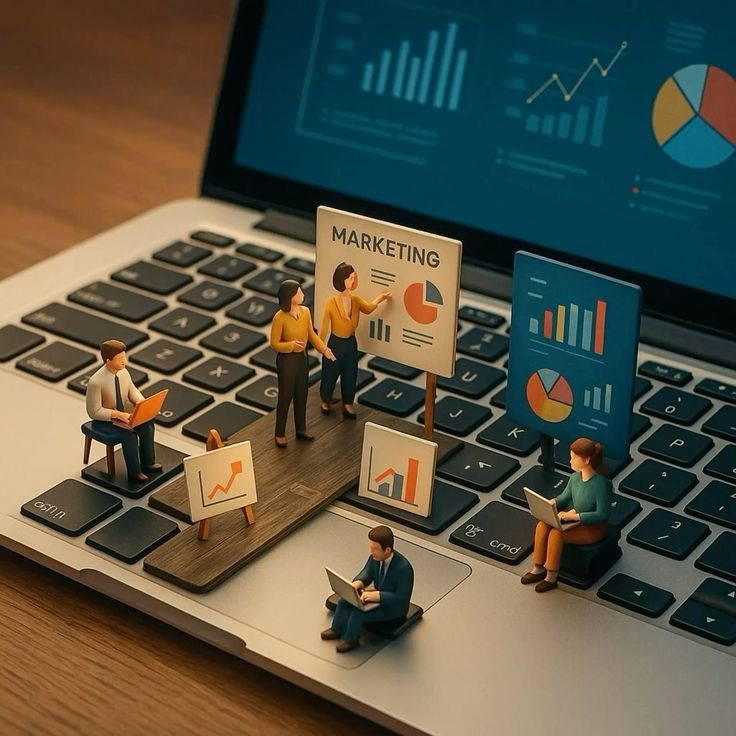
Traditional business models are evolving quickly. Today, an individual can build a brand, sell products, teach skills, or provide services online with relatively low startup costs.
E-commerce continues to grow because customers value convenience, variety, and quick delivery. Social media platforms have also become marketplaces where businesses connect directly with audiences. Creators earn through content, memberships, courses, affiliate marketing, and partnerships.
This trend means opportunities are no longer limited to large corporations. Small businesses and individuals can compete through creativity, niche expertise, and strong customer relationships.
The future may belong to businesses that feel more human, responsive, and community-driven rather than simply large.
Personalization Is Becoming the New Standard
Consumers no longer want one-size-fits-all experiences. They expect recommendations based on interests, faster support, customized products, and relevant communication.
Streaming platforms recommend shows. Shopping platforms suggest products. Learning apps adapt lessons to skill level. Fitness platforms tailor plans to personal goals.
Businesses that understand customer behavior and preferences can create stronger loyalty. However, personalization must be balanced with privacy. People want convenience, but they also want control over their information.
The brands that succeed in the future will likely combine smart personalization with transparency and respect.
Sustainability Is Influencing Choices

Future trends are not only digital. Environmental awareness is shaping business and lifestyle decisions across the world. Consumers are paying more attention to waste, packaging, energy use, ethical sourcing, and long-term environmental impact.
Businesses are responding with eco-friendly products, cleaner supply chains, renewable energy efforts, and transparent sustainability goals. Even small improvements matter when multiplied across millions of customers.
People are also changing habits through reusable products, mindful consumption, energy-saving choices, and support for responsible brands.
Sustainability is moving from optional branding to an expected business responsibility.
Education Is Becoming Continuous
The old model of studying once and relying on that knowledge for decades is becoming less practical. Industries evolve quickly, and skills can become outdated faster than before.
As a result, lifelong learning is one of the strongest future trends. People are taking online courses, learning from videos, joining communities, and updating skills throughout their careers.
Students entering the workforce benefit from technical skills, communication ability, problem-solving, and adaptability. Employers increasingly value people who continue learning and can grow with change.
Education is becoming less about one degree and more about ongoing development.
Health Technology Is Changing Daily Life
Technology is playing a bigger role in personal health. Wearable devices track heart rate, movement, sleep, and stress levels. Telemedicine allows patients to consult professionals online. Apps help with fitness, mindfulness, and nutrition.
In the future, preventive care may become more common through early detection tools and personalized health recommendations. Instead of only treating illness after problems appear, technology can help people notice patterns sooner.
This trend empowers individuals to take a more active role in health while also making healthcare more accessible in many situations.
Cities and Homes Are Getting Smarter
Smart homes once seemed luxurious or futuristic, but they are becoming more common. Lighting, security, temperature control, and appliances can now be managed digitally.
Cities are also exploring smarter transport systems, traffic management, public safety tools, and energy efficiency solutions. These changes aim to reduce waste, improve convenience, and make urban life smoother.
As more people move into cities, smart infrastructure may become essential rather than optional.
Human Skills Will Matter More, Not Less

As automation handles repetitive tasks, human strengths become even more valuable. Creativity, empathy, leadership, emotional intelligence, critical thinking, and communication are difficult to replace.
Businesses still need people who can inspire teams, understand customers, negotiate solutions, and solve complex problems with judgment.
The future may reward those who combine technical ability with strong human skills. Technology can support work, but trust and connection still come from people.
How Individuals Can Prepare for the Future
Preparing for future trends does not require predicting every invention. It means building qualities that remain useful during change.
Stay curious about new tools and systems. Improve communication skills. Learn basic digital literacy. Be open to reskilling if industries shift. Build financial awareness. Protect mental and physical health. Develop adaptability rather than depending on one fixed path.
The people who thrive are often not those who know everything first, but those who adjust steadily.
Why These Trends Matter to Everyday Life
Future trends are not only for business leaders or tech experts. They affect everyday routines. The way you shop, learn, earn money, manage health, and connect with others is already changing.
A student may learn through AI tutoring tools. A small business owner may sell globally online. A worker may collaborate remotely with international teams. A family may use smart devices to save energy. A customer may expect same-day delivery and personalized service.
These examples show that the future is already part of normal life.
Looking Ahead with Confidence

Change can feel exciting or overwhelming depending on how it is approached. But history shows that every era of innovation also creates new opportunities. New tools bring new careers, new needs create new businesses, and new challenges inspire better solutions.
The key is not to fear the future or blindly chase every trend. It is to stay informed, flexible, and thoughtful.
Technology, business, and life will continue evolving. Those who remain curious, practical, and willing to grow will be best positioned to benefit from what comes next.
FAQs
1.What are future trends?
Future trends are emerging changes in technology, business, lifestyle, and society that are likely to shape how people live and work in coming years.
2.Why is artificial intelligence important?
Artificial intelligence helps automate tasks, improve decision-making, personalize experiences, and increase efficiency across many industries.
3.Will remote work continue in the future?
Yes, many businesses are expected to continue remote or hybrid work models because they offer flexibility and wider hiring opportunities.
4.How can businesses prepare for future trends?
Businesses can adapt by embracing digital tools, understanding customer needs, training teams, and staying open to innovation.
5.What skills will be valuable in the future?
Digital literacy, communication, creativity, emotional intelligence, adaptability, and problem-solving are expected to remain highly valuable.