
Modern life can feel complicated. Between work responsibilities, studies, family commitments, financial pressure, health goals, and constant digital distractions, many people feel like they are always trying to catch up. The truth is that life rarely becomes easier through luck alone. It usually becomes easier when people learn better systems, smarter habits, and practical ways to handle everyday challenges. That is where expert guides become valuable.
Expert guides are not about perfection or unrealistic advice. They are practical lessons based on experience, observation, and methods that genuinely help. Whether the goal is managing time, reducing stress, improving productivity, organizing money, or creating healthier routines, the right guidance can save years of trial and error.
In 2026, people are increasingly looking for realistic solutions instead of motivational hype. They want advice that fits real schedules, real budgets, and real responsibilities. This is why expert guides are more useful than ever.
This article explores expert-backed ways to make life easier and more manageable in a world that often feels too busy.
Why Life Feels Harder Today

Many people assume they are personally failing when life feels overwhelming, but often the issue is environment rather than ability. Today’s world places constant demands on attention. Phones buzz with notifications, work follows people home, social media creates comparison, and there is pressure to keep improving all the time.
Even basic tasks can feel exhausting when the mind is overloaded. Decision fatigue is common because people make hundreds of small choices every day. What to eat, what to wear, when to reply, what to prioritize, what to buy, and how to keep up with everything all consume energy.
Expert guides matter because they reduce unnecessary friction. They help simplify decisions, create structure, and make energy go further.
Time Management That Actually Works
One of the most common struggles in modern life is feeling like there is never enough time. In many cases, the issue is not time itself but how attention is divided.
Experts often recommend planning the day around priorities instead of reacting to whatever appears first. Many people start mornings by checking messages and instantly surrendering focus. A better method is deciding the most important task before distractions begin.
Using time blocks can also help. This means assigning certain periods for focused work, errands, communication, or rest. Instead of multitasking constantly, each activity gets dedicated attention.
Another powerful strategy is leaving margin in the schedule. Overfilling every hour creates stress because delays are normal. A little breathing room makes life smoother and less rushed.
Time management becomes easier when people stop trying to do everything and start protecting what matters most.
Expert Advice for Reducing Stress
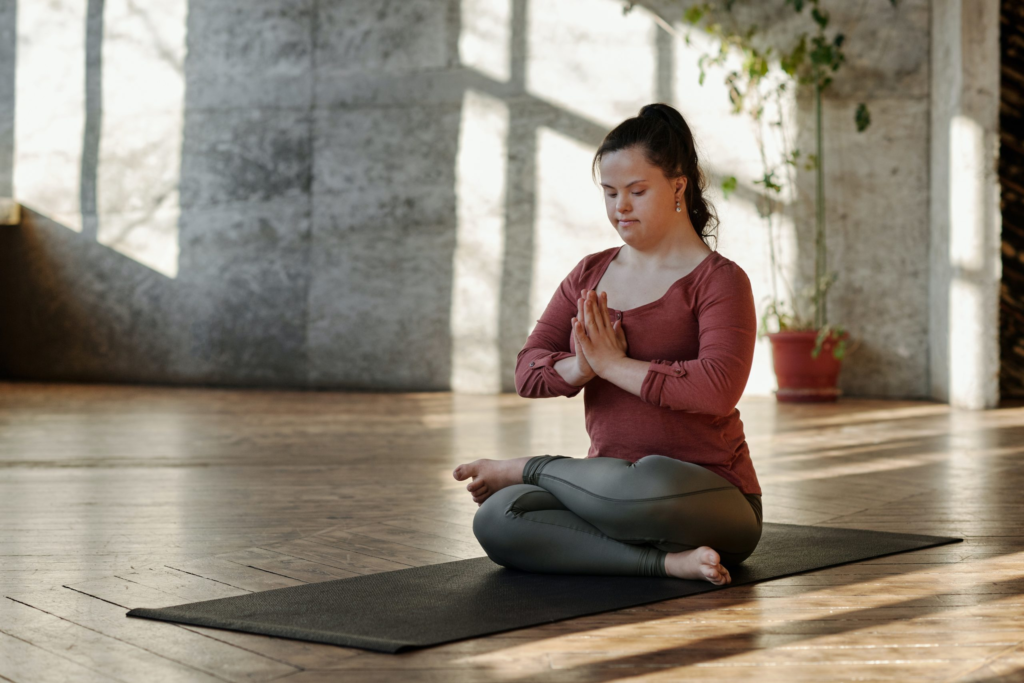

Stress is part of life, but unmanaged stress can make everything feel harder than it needs to be. Experts often emphasize that reducing stress is less about escaping responsibilities and more about building recovery habits.
Sleep is one of the strongest foundations. Many people try to solve exhaustion with productivity tricks when the real issue is poor rest. Better sleep often improves mood, patience, focus, and resilience.
Movement is another proven tool. Walking, stretching, or regular exercise helps release tension and improve mental clarity. It does not need to be extreme to be effective.
Writing worries down can also help. When concerns stay only in the mind, they often feel larger. Putting them on paper can make problems clearer and more manageable.
Stress often grows in silence and confusion. It usually shrinks with clarity and consistent care.
Productivity Without Burnout
Many people chase productivity but end up tired and frustrated. Real productivity is not about constant output. It is about doing meaningful work efficiently while protecting energy.
Experts often recommend focusing on one task at a time. Multitasking feels productive but usually reduces quality and increases mental fatigue.
Taking short breaks during concentrated work can improve performance. Attention naturally drops over time, and pauses help reset the brain.
Another useful principle is defining what “done” means before starting. Many tasks drag on because expectations are unclear. When the goal is specific, progress becomes faster.
Sustainable productivity respects limits. Working harder all the time is rarely the smartest solution.
Organizing Your Space to Organize Your Mind

Environment strongly affects behavior. A cluttered or chaotic space can create subtle stress and distraction, while an organized environment often supports calm and focus.
Experts suggest making frequently used items easy to access and giving everything a consistent place. This reduces daily frustration and wasted time.
Small reset routines can make a big difference. Tidying for ten minutes each evening can make mornings smoother and more peaceful.
It is also helpful to reduce visual overload. Keeping surfaces clearer and removing unused items can create a lighter feeling at home.
A perfect home is not required. Even modest improvements in order can make life feel more manageable.
Smarter Money Habits
Financial stress is one of the most common pressures adults face. Expert guidance often focuses less on getting rich quickly and more on creating stability.
Knowing where money goes each month is one of the most valuable habits. Many people feel confused about finances simply because spending is unclear. Awareness creates control.
Building a small emergency cushion can reduce anxiety significantly. Even modest savings provide psychological relief.
Experts also recommend delaying impulse purchases. Waiting before buying often reveals whether something is necessary or emotional.
Choosing value over image is another timeless principle. Many expensive purchases create pressure rather than happiness.
Money tends to feel easier when it is managed intentionally instead of emotionally.
Health Habits That Fit Real Life

Many people abandon health goals because advice feels extreme. Expert approaches in 2026 increasingly focus on sustainability.
Walking regularly remains one of the simplest and most effective habits. It supports physical and mental health without needing complex equipment.
Eating more whole foods and planning meals in advance can improve energy while reducing stress around daily food decisions.
Hydration is often underestimated. Low energy and headaches are sometimes linked to simply not drinking enough water.
Consistency matters more than intensity. Moderate habits repeated for years usually outperform short bursts of extreme effort.
Good health should support life, not dominate it.
Better Relationships Through Simple Skills
Life becomes easier when relationships are healthier. Conflict, misunderstanding, and emotional distance can drain energy quickly.
Experts often highlight communication as the key skill. Saying what you mean respectfully prevents resentment from building silently.
Listening fully is equally important. Many people wait to respond rather than truly hear others. Feeling understood strengthens connection.
Boundaries also matter. Helping others is valuable, but constantly overcommitting creates exhaustion. Saying no when necessary protects well-being.
Healthy relationships are rarely effortless. They are built through repeated small choices.
Managing Technology Instead of Being Managed
Technology offers convenience, but without boundaries it can create distraction and fatigue. Expert advice increasingly focuses on digital balance.
Turning off unnecessary notifications can immediately reduce interruptions. Not every alert deserves attention.
Creating phone-free times, especially in the morning or before sleep, helps restore focus and calm.
Curating social media feeds is another useful strategy. Follow content that informs or uplifts rather than content that creates stress or comparison.
Technology works best as a tool, not as a constant commander of attention.
The Power of Routines
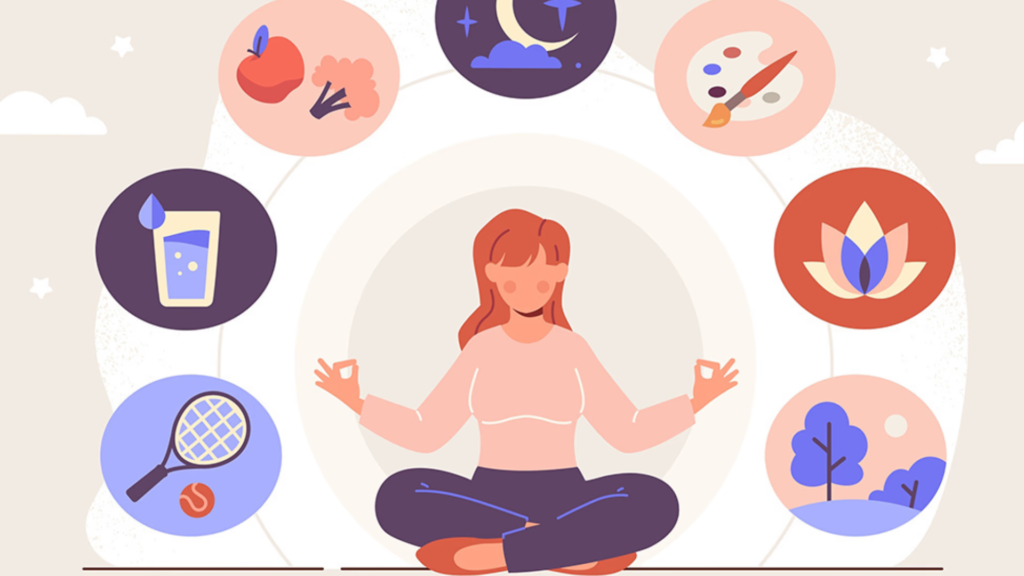
Experts consistently return to one theme: routines reduce friction. When positive actions become automatic, life feels easier because fewer decisions are required.
Morning routines can create steadier starts. Evening routines can improve rest and preparation. Weekly routines for cleaning, budgeting, or planning reduce chaos.
Routines do not need to be rigid. Their purpose is support, not control.
The most effective routines are simple enough to maintain even during busy seasons.
Why Simplicity Wins in 2026
Modern culture often celebrates more. More hustle, more goals, more possessions, more content, more urgency. Yet many experts now advocate the opposite.
Simplifying commitments, purchases, digital input, and priorities often creates more peace and better results. Complexity can feel impressive, but simplicity is powerful.
People who know what matters most can direct time and energy wisely. Those constantly chasing everything often feel scattered.
Life becomes easier when unnecessary weight is removed.
FAQs
1.What are expert guides for everyday life?
Expert guides are practical strategies and advice based on proven methods or experience that help people solve common problems more effectively.
2.How can I make life easier quickly?
Start with simple changes such as planning your day, reducing clutter, improving sleep, and limiting distractions.
3.Why do routines help so much?
Routines reduce decision fatigue and make helpful behaviors automatic, which saves time and mental energy.
4.What is the best expert tip for stress?
Consistent sleep, movement, and clear priorities are among the most effective ways to lower daily stress.
5.Do I need to change everything at once?
No. Small improvements in one area often create noticeable benefits and make future changes easier.