
The driving and transportation industry continues to evolve rapidly, and road safety has become more important than ever in modern society. Millions of people rely on safe roads every day for commuting, business, travel, and daily activities. In the United Kingdom, one of the key organizations responsible for maintaining driving standards and vehicle safety is the Driver and Vehicle Standards Agency, commonly known as the DVSA.
In 2026, the DVSA remains an essential part of the UK transportation system. From driving tests and vehicle inspections to road safety regulations and professional driver standards, the agency plays a major role in ensuring that drivers and vehicles meet legal and safety requirements. As technology continues changing the automotive world through electric vehicles, smart driving systems, and digital services, the DVSA is also adapting to modern transportation trends.
Many people interact with the DVSA at some point in their lives, whether they are learning to drive, booking a practical test, renewing certifications, or operating commercial vehicles. Understanding how the DVSA works can help drivers stay informed, avoid penalties, and improve road safety awareness.
What Is the Driver and Vehicle Standards Agency?
The Driver and Vehicle Standards Agency is a government organization responsible for maintaining driving and vehicle safety standards across the UK. The agency operates under the UK Department for Transport and focuses on ensuring that drivers, vehicles, and transportation systems meet legal and safety requirements.
The DVSA was formed by merging previous transport-related agencies to create a more efficient system for managing driving standards and vehicle inspections. Today, it oversees several important services related to road safety, driving education, testing, and enforcement.
The agency’s primary mission is to reduce road accidents, improve driving quality, and ensure that vehicles on UK roads are safe and properly maintained. It also supports professional transport industries by regulating commercial driving standards and vehicle inspections.
Whether someone is taking their first driving test or operating heavy commercial vehicles, the DVSA plays a role in maintaining national transportation safety.
The Importance of Road Safety in 2026
Road safety remains one of the most important public concerns in modern transportation systems. As populations grow and traffic increases, governments and transportation agencies face ongoing pressure to reduce accidents and improve driving behavior.
The DVSA helps address these challenges by setting clear driving standards and monitoring vehicle safety regulations. Poor driving skills, unsafe vehicles, distracted driving, and speeding continue to contribute to road accidents worldwide. The agency works to reduce these risks through education, testing, inspections, and enforcement activities.
Technology is also changing the nature of road safety. Modern vehicles now include advanced safety features such as lane assistance, automatic braking, parking sensors, and driver-monitoring systems. While these innovations improve safety, drivers still need proper training and awareness to use them effectively.
The DVSA continues updating its standards to reflect changing technology and modern driving conditions. In 2026, the agency remains heavily focused on ensuring drivers are prepared for today’s increasingly advanced transportation environment.
Driving Tests and Learner Drivers

One of the most recognized responsibilities of the DVSA is conducting driving tests for learner drivers. Every year, thousands of people across the UK apply for theory and practical driving tests through the agency.
The driving test process is designed to ensure that new drivers understand road rules, vehicle control, hazard awareness, and safe driving behavior. Passing the driving test demonstrates that a learner has reached the minimum legal standard required to drive independently.
The theory test includes questions about road signs, driving laws, and hazard perception. The practical driving test evaluates real-world driving ability, including parking, observation skills, decision-making, and vehicle handling.
In recent years, the DVSA has modernized many aspects of the testing process. Online booking systems, digital updates, and revised testing criteria have improved accessibility and efficiency for learner drivers.
The agency also adapts test standards based on changing road conditions and technology. As electric vehicles and driver-assistance systems become more common, driving education continues evolving alongside automotive innovation.
Vehicle Inspections and MOT Testing
Another important responsibility of the DVSA involves vehicle inspections and MOT testing. The MOT test is a legal requirement in the UK for most vehicles over a certain age and helps ensure that cars remain roadworthy and environmentally compliant.
During an MOT test, inspectors check important vehicle components such as brakes, tires, lights, steering systems, emissions, and seatbelts. The purpose is to identify safety issues that could put drivers or other road users at risk.
Vehicle safety remains a major concern because poorly maintained cars can contribute to serious accidents. The DVSA monitors MOT testing centers to ensure inspections are carried out correctly and fairly.
As vehicle technology becomes more advanced, inspection procedures are also changing. Electric vehicles, hybrid systems, and digital driving technologies require updated testing methods and technician training.
The agency continues working to maintain high standards for vehicle safety while adapting to future transportation trends.
Commercial Vehicles and Professional Drivers
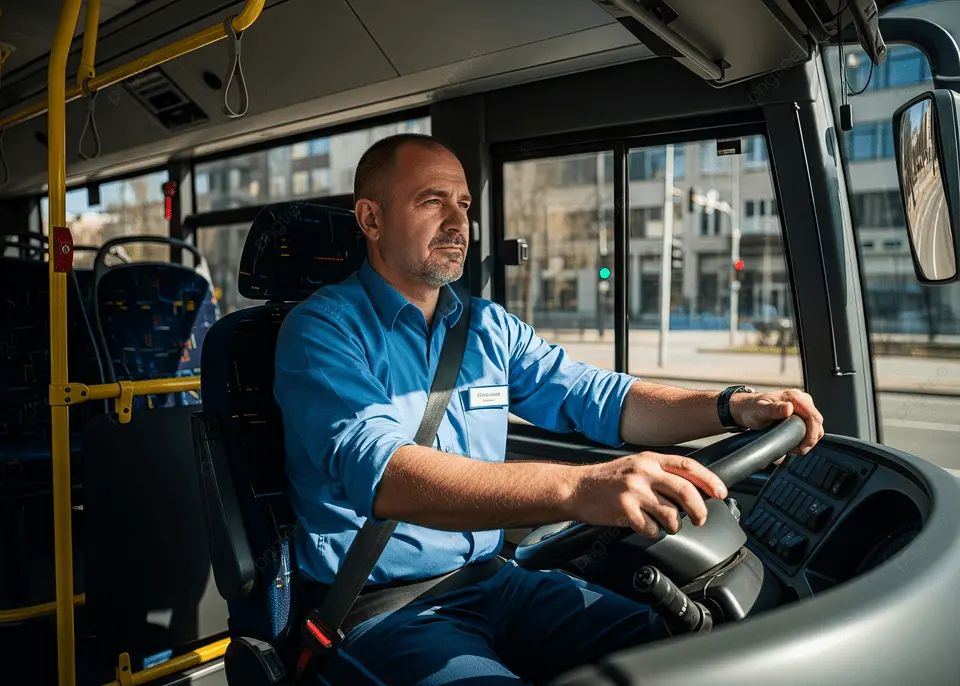
The DVSA also plays a major role in regulating commercial transportation. Lorry drivers, bus operators, delivery companies, and freight businesses all rely on DVSA standards and inspections.
Commercial vehicles spend long hours on the road and often carry heavy loads or passengers. Because of this, strict safety standards are necessary to reduce accidents and maintain public safety.
The DVSA conducts roadside inspections, vehicle checks, and operator compliance monitoring to ensure businesses follow legal regulations. Professional drivers must also meet licensing and training requirements.
Driver working hours, vehicle maintenance records, and cargo safety are closely monitored within the commercial transport industry. Businesses that fail to follow regulations can face fines, penalties, or operating restrictions.
In 2026, the rapid growth of e-commerce and delivery services continues increasing demand for commercial transport. The DVSA remains essential in helping manage these growing transportation networks safely and efficiently.
Technology and Digital Transformation
Technology is transforming almost every aspect of transportation, and the DVSA is embracing digital innovation to improve services and efficiency.
Many DVSA services are now available online, allowing users to book driving tests, check MOT history, manage vehicle information, and access driver resources digitally. This has made processes faster and more convenient for millions of people.
Digital systems also improve data management and enforcement capabilities. Authorities can track vehicle safety records, identify high-risk drivers, and monitor transportation compliance more accurately.
Artificial intelligence and automation are expected to influence future transportation systems even further. Autonomous vehicles, smart traffic systems, and connected cars may eventually require entirely new regulations and testing standards.
The DVSA continues preparing for these future challenges by updating policies, investing in digital systems, and researching emerging transportation technologies.
Electric Vehicles and Future Mobility
Electric vehicles have become one of the biggest trends in the automotive industry, and the DVSA is adapting its standards to support this transition.
Governments around the world are encouraging cleaner transportation to reduce carbon emissions and improve environmental sustainability. As more drivers switch to electric vehicles, testing and inspection systems must evolve as well.
Electric vehicles differ significantly from traditional petrol and diesel cars. They include battery systems, regenerative braking, and advanced electronic controls that require specialized inspection procedures and driver knowledge.
The DVSA is working to ensure that driving instructors, testers, and technicians understand these new technologies. Learner drivers may increasingly train in electric vehicles as the automotive market continues changing.
Future mobility trends may also include autonomous vehicles, shared transportation systems, and connected driving infrastructure. The DVSA will likely continue playing a major role in regulating these innovations safely.
Driver Education and Awareness
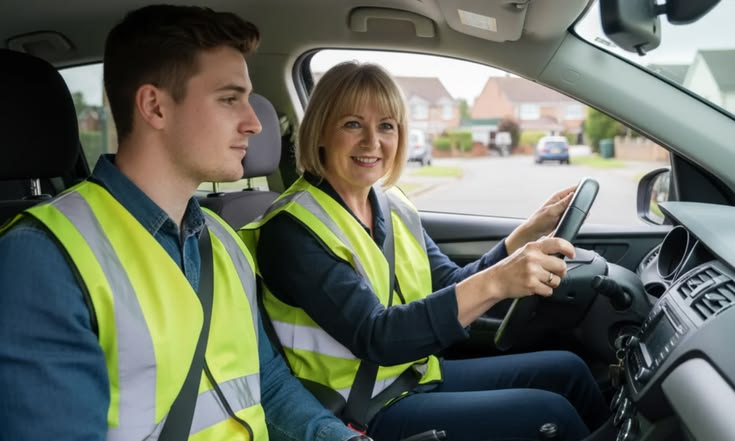
Driver education remains one of the most important tools for improving road safety. The DVSA supports safe driving habits through testing standards, educational campaigns, and training requirements.
New drivers are encouraged to develop not only technical driving skills but also awareness, patience, and responsible decision-making. Safe driving involves understanding risks, staying focused, and respecting road laws.
Distracted driving has become a growing concern in recent years, particularly because of smartphone use and digital distractions inside vehicles. The DVSA continues promoting awareness about the dangers of unsafe driving behavior.
Professional driver training is also important for industries such as logistics, public transportation, and commercial freight. Ongoing education helps drivers adapt to changing regulations and vehicle technologies.
Road safety ultimately depends on both individual responsibility and strong transportation systems working together effectively.
Challenges Facing the DVSA in 2026
Like many public organizations, the DVSA faces several challenges in 2026. One ongoing issue involves driving test demand and waiting times. Large numbers of learner drivers continue applying for tests, creating pressure on testing systems and appointment availability.
The agency must also balance modernization with accessibility. While digital systems improve efficiency, some individuals may struggle with online platforms or changing technology.
Vehicle technology itself is becoming increasingly complex. Electric vehicles, AI systems, and automated driving features require constant updates to training and inspection standards.
Road safety challenges are also evolving. Urban traffic congestion, environmental concerns, delivery service growth, and changing driving habits all create new demands for transportation authorities.
Despite these challenges, the DVSA continues adapting to ensure UK roads remain safe and regulated.
The Role of the DVSA in Everyday Life
Many people do not realize how often the DVSA affects daily life until they interact directly with the agency. Whether someone is learning to drive, renewing vehicle documentation, completing an MOT test, or working in commercial transport, the DVSA influences transportation safety behind the scenes.
Safe roads benefit everyone, including drivers, cyclists, pedestrians, businesses, and public transportation users. By maintaining standards and enforcing regulations, the DVSA helps reduce accidents and improve public confidence in transportation systems.
The agency also supports economic activity because transportation is essential for businesses, deliveries, tourism, and commuting. Reliable road systems contribute to national productivity and public safety.
As transportation continues evolving in the coming years, the DVSA’s role will likely become even more important.
The Future of Driving Standards in the UK

The future of driving standards in the UK will likely involve greater integration of technology, sustainability, and digital regulation. Autonomous driving features, connected vehicles, and AI-based transportation systems may reshape how people learn and operate vehicles.
Environmental policies are also expected to influence transportation standards heavily. Electric vehicles, emission regulations, and eco-friendly transportation systems will continue expanding.
The DVSA will likely keep updating driving tests, inspection procedures, and training systems to reflect these industry changes. Future drivers may need entirely different skills compared to previous generations.
Despite technological advances, human responsibility will remain essential. Safe driving behavior, awareness, and road respect will always play major roles in reducing accidents and protecting lives.
FAQs
1.What does the DVSA do?
The DVSA is responsible for maintaining driving and vehicle safety standards in the UK through testing, inspections, education, and enforcement.
2.What is the full form of DVSA?
DVSA stands for the Driver and Vehicle Standards Agency.
3.Does the DVSA conduct driving tests?
Yes, the DVSA manages both theory and practical driving tests for learner drivers across the UK.
4.What is an MOT test?
An MOT test is a vehicle inspection required for most older vehicles in the UK to ensure they meet safety and environmental standards.
5.How is the DVSA adapting to electric vehicles?
The DVSA is updating training, testing, and inspection systems to support electric and hybrid vehicle technology.
- Best Timer Games 2026: Ultimate Speed Challenges to Try

- Mario Kart World 2026: Everything You Need to Know About the New Racing Game

- iPhone 18 Pro 2026 Guide: New Features, Design, Camera & Performance

- Smart Home Technology 2026: New Trends, Gadgets & Ideas

- Future Shopping Trends: Smart Ways to Save Money

- Lili Estefan 2026: Everything You Need to Know