
In today’s fast-moving world, people often find themselves trapped in a cycle of endless responsibilities, stress, and distractions. The pressure to constantly stay productive, connected, and available can leave very little room for peace of mind. This is where mindful living becomes essential. Mindful living is not about escaping responsibilities or living a perfect life. It is about learning how to be fully present in each moment, appreciating life as it unfolds, and creating a deeper connection with yourself and your surroundings.
Mental health is one of the most valuable parts of our overall well-being, yet it is often neglected in the rush of daily life. When the mind is constantly overwhelmed with worries about the future or regrets from the past, it becomes difficult to experience happiness, clarity, and emotional balance. Practicing mindful living offers a practical and natural way to improve mental health by helping individuals become more aware of their thoughts, emotions, and reactions.
Mindful living is not a complicated concept reserved for meditation experts or spiritual teachers. It is a simple and accessible practice that anyone can incorporate into everyday life. Through small, intentional actions, mindful living can create powerful positive changes in emotional health, stress management, and overall happiness.
Understanding Mindful Living

Mindful living is the practice of paying attention to the present moment without judgment. It involves being fully aware of what is happening right now, whether it is your thoughts, your emotions, your environment, or your actions. Instead of operating on autopilot, mindfulness encourages conscious awareness and intentional living.
Many people spend much of their day mentally somewhere else. While working, they may be thinking about future deadlines. While eating, they may be scrolling through social media. While spending time with loved ones, their minds may be replaying stressful events from earlier in the day. This constant mental distraction creates emotional exhaustion and disconnect.
Mindful living brings your attention back to the present moment. It allows you to slow down, notice what is happening around and within you, and respond thoughtfully rather than react impulsively. This awareness can significantly improve mental health by reducing anxiety, increasing emotional stability, and promoting inner peace.
Practicing Mindful Breathing Every Day
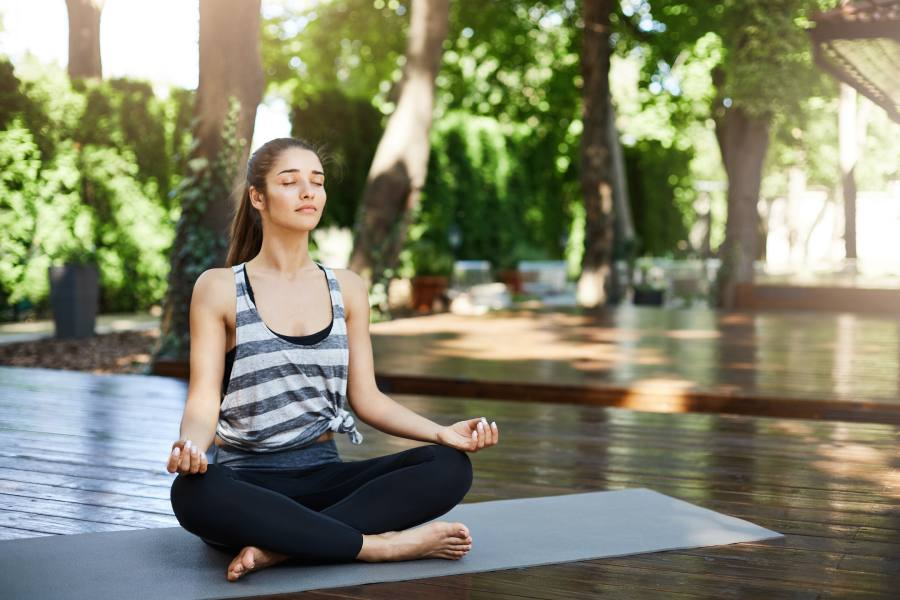
One of the most effective mindful living practices for better mental health is mindful breathing. Breathing is something we do naturally every moment of our lives, yet we rarely pay attention to it. Mindful breathing involves consciously focusing on each inhale and exhale.
When stress levels rise, breathing often becomes shallow and rapid. This sends signals to the brain that reinforce feelings of anxiety. By slowing down and paying attention to your breath, you activate the body’s relaxation response and calm the nervous system.
Taking just a few minutes each day to sit quietly and focus on your breathing can create noticeable mental clarity. Notice the sensation of air entering your nose, filling your lungs, and leaving your body. If your mind wanders, gently guide your focus back to your breath.
This simple practice can reduce stress, improve concentration, and help regulate emotions.
Being Present During Daily Activities

Mindful living does not require setting aside hours for meditation. It can be practiced during ordinary daily activities. The key is to fully engage with what you are doing.
When eating, notice the flavors, textures, and aromas of your food. When walking, pay attention to the movement of your body and the sounds around you. When washing dishes, focus on the sensation of water and the simple act of cleaning.
Being fully present during routine activities trains the mind to slow down and stay grounded. This reduces mental clutter and prevents overthinking, which is often a major cause of stress and anxiety.
Over time, practicing presence in everyday moments helps create a greater sense of calm and appreciation for life.
Limiting Digital Distractions
Modern technology offers many benefits, but constant digital stimulation can negatively affect mental health. Endless notifications, social media scrolling, and information overload often create mental fatigue and stress.

Mindful living encourages intentional use of technology. Instead of checking your phone automatically, pause and ask yourself whether it is necessary in that moment. Create boundaries around screen time and designate periods during the day for digital detox.
Spending less time on screens creates more space for meaningful experiences, reflection, and genuine human connection. It allows the mind to rest and recharge.
Reducing digital distractions also improves focus, sleep quality, and emotional balance.
Practicing Gratitude with Awareness
Gratitude is one of the most powerful mindful living practices for mental health. It shifts attention away from what is lacking and toward what is already present and meaningful.
Mindful gratitude involves intentionally noticing and appreciating positive aspects of life. These do not have to be major achievements or life-changing events. They can be simple moments such as enjoying a warm cup of tea, hearing birds outside your window, or sharing a laugh with someone you care about.
Taking time each day to reflect on what you are grateful for helps train the mind to focus on positivity. This can reduce feelings of negativity, increase resilience, and promote emotional well-being.
Gratitude strengthens mental health by creating a more optimistic and balanced perspective.
Developing Self-Compassion
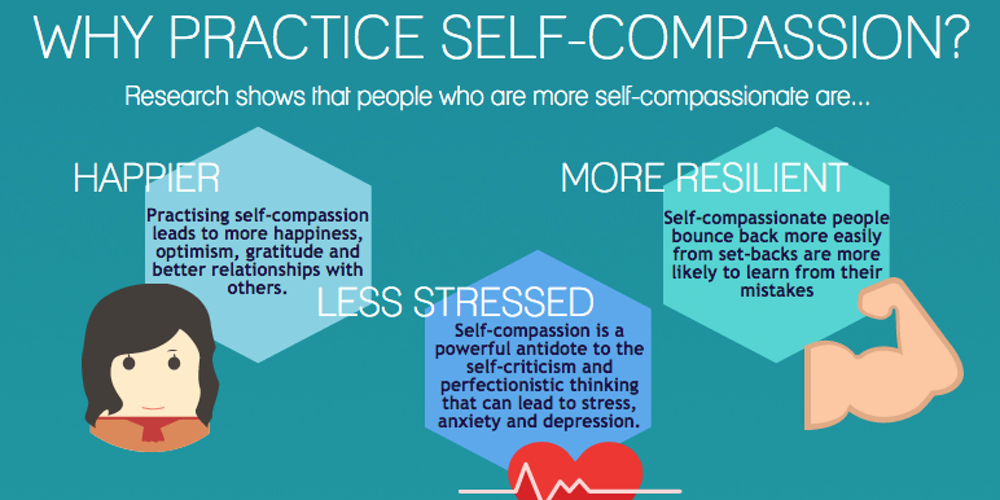
Many people are their own harshest critics. Negative self-talk, unrealistic expectations, and constant self-judgment can deeply impact mental health.
Mindful living teaches self-compassion, which means treating yourself with kindness and understanding, especially during difficult moments.
Instead of criticizing yourself for mistakes, acknowledge that imperfection is part of being human. Speak to yourself with the same care and patience you would offer a close friend.
Practicing self-compassion helps reduce feelings of shame, anxiety, and emotional exhaustion. It builds inner strength and supports healthier emotional responses.
A compassionate relationship with yourself creates the foundation for lasting mental wellness.
Creating Quiet Moments for Reflection
Life often becomes so busy that people rarely pause to reflect on their thoughts and emotions. Without reflection, stress can build unnoticed until it becomes overwhelming.
Mindful living encourages creating intentional quiet moments throughout the day. This can involve sitting silently, journaling, or simply observing your thoughts without judgment.
Reflection helps you better understand your emotional patterns and identify sources of stress. It also creates space for clarity, self-awareness, and personal growth.
These moments of stillness allow the mind to reset and become more balanced.
Connecting with Nature

Spending time in nature is a powerful mindfulness practice that supports mental health. Nature naturally encourages presence because it engages the senses and creates a calming environment.
Walking in a park, sitting under a tree, or simply observing the sky can help reduce stress and mental tension. The natural world invites stillness and reminds us to slow down.
Research consistently shows that spending time outdoors lowers anxiety, improves mood, and enhances emotional well-being.
Mindful connection with nature provides a sense of grounding and peace that is difficult to find in busy, overstimulating environments.
Building Healthy Mindful Routines
Consistency is essential for mindful living. Building small daily routines can create lasting mental health benefits.
This might involve starting the morning with quiet breathing, taking mindful breaks during work, or ending the day with gratitude reflection.
The goal is not perfection but consistency. Even a few mindful moments each day can gradually reshape thought patterns and emotional responses.
Mindful routines create stability, reduce overwhelm, and support long-term emotional balance.
The Long-Term Impact of Mindful Living

Mindful living is not a quick fix. It is a lifelong practice of becoming more aware, intentional, and compassionate. Over time, mindfulness strengthens emotional resilience and improves the ability to handle life’s challenges with calmness and clarity.
People who practice mindful living often experience lower stress levels, better relationships, improved focus, and greater overall life satisfaction.
Mental health thrives when the mind is given space to rest, reflect, and reconnect with the present moment.
By embracing mindful living practices, you can create a healthier relationship with your thoughts, emotions, and daily experiences.
FAQ
1.What is mindful living?
Mindful living is the practice of being fully present and aware of your thoughts, emotions, and surroundings without judgment. It involves living intentionally and paying attention to the present moment.
2.How does mindful living improve mental health?
Mindful living reduces stress, improves emotional regulation, enhances focus, and helps individuals respond to challenges with greater calmness and clarity.
3.Can beginners practice mindful living?
Yes, mindful living is suitable for everyone. Beginners can start with simple practices like mindful breathing, gratitude reflection, and paying full attention during daily activities.
4.How long does it take to see benefits from mindfulness?
Some benefits, such as reduced stress and increased calmness, can be felt immediately. Long-term benefits develop with consistent daily practice.
5.Is mindful living the same as meditation?
Meditation is one mindfulness practice, but mindful living is broader. It involves bringing awareness and presence into all aspects of daily life.