
Whether you are lacing up for your first 5K, upgrading your gym essentials, or gearing up for a weekend hike in the mountains, having the right sports gear completely transforms your experience. Training in gear that does not fit right or fails to support your movement leads to frustration, discomfort, and even unnecessary injuries.
That is why Decathlon Spain has become a go-to destination for athletes, families, and outdoor enthusiasts alike. Offering a massive variety of sports equipment under one roof, Decathlon caters to absolute beginners and seasoned pros. However, with thousands of products available, the real challenge isn’t just finding gear—it is knowing how to select the exact right equipment for your body, your goals, and your budget.
1. Start with Your Activity Level and Training Frequency
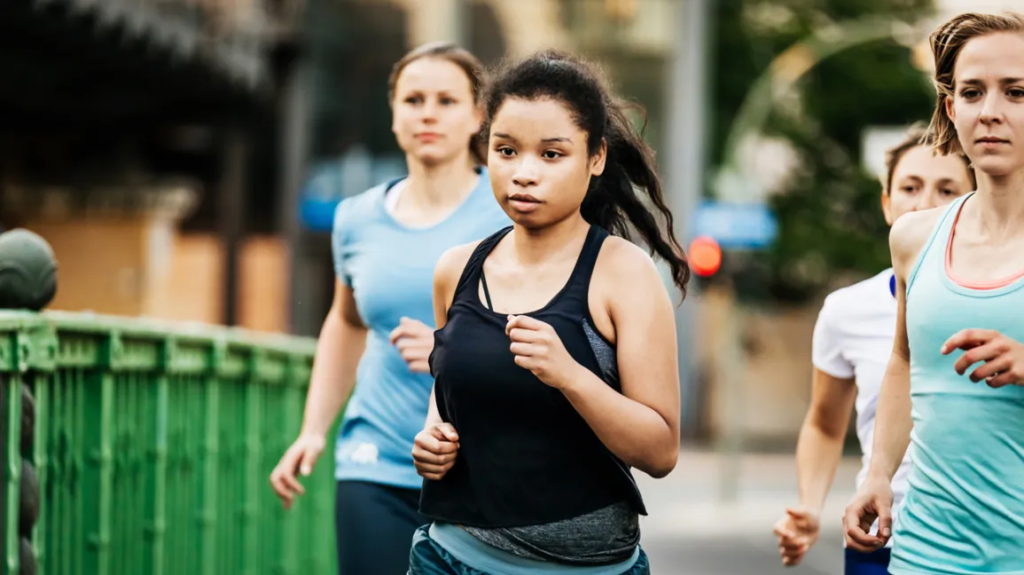
Before looking at colors or price tags, get clear on how you plan to use your gear. Sports equipment is engineered for specific movement patterns, surfaces, and intensity levels. Treating all gear as “one size fits all” is one of the most common mistakes shoppers make.
  ┌─────────────────────────────────────────────────────────────┐
  │               DECATHLON GEAR SELECTION FRAMEWORK            │
  ├─────────────────────────────────────────────────────────────┤
  │  1. Casual (1-2x/month):  Focus on basic comfort & value    │
  │  2. Regular (1-3x/week):  Focus on durability & breathability│
  │  3. Intensive (4+x/week): Focus on technical performance    │
  └─────────────────────────────────────────────────────────────┘
Ask yourself these core questions before adding items to your basket:
- What is my primary sport? Running requires lightweight cushioning, trail hiking needs rugged grip and ankle support, and indoor gym work calls for flat, stable bases.
- How often will I train? If you work out once a week, Decathlon’s entry-level range provides excellent value. If you train four or five times a week, investing in technical fabrics and reinforced construction ensures your gear withstands frequent washing and wear.
- Where will I be exercising? Indoor studio sessions demand maximum ventilation, whereas outdoor mountain sports require weather-resistant, windproof, or waterproof layering.
2. Prioritize Comfort, Fit, and Sizing Realities

Even the most technologically advanced sports gear will end up sitting in your closet if it pinches, chafes, or feels restrictive. Comfort should always take priority over trendiness.
┌─────────────────────────────────────────────────────────────────┐
│                    FIT & COMFORT GUIDE                          │
├─────────────────────────┬───────────────────────────────────────┤
│ Gear Type               │ What to Look For                      │
├─────────────────────────┼───────────────────────────────────────┤
│ Footwear                │ Half-size clearance at toes for swelling│
│ Apparel                 │ Moisture-wicking, flatlock anti-chafe seams│
│ Protective Gear         │ Snug, non-slip fit without pressure points│
│ Backpacks               │ Adjustable chest & waist support straps │
└─────────────────────────┴───────────────────────────────────────┘
Footwear Sizing
Your feet naturally swell during exercise due to increased blood flow and heat. When buying running shoes or hiking boots at Decathlon Spain, aim for about a half-size of extra room in the toe box to prevent bruised toenails on downhill trails or long runs.
Apparel Fit
Activewear should move with your body, not against it. Look for ergonomic cuts, 4-way stretch fabrics, and flatlock seams that minimize skin friction. Compression wear should feel supportive without restricting deep breathing or natural joint movement.
3. Understand Fabrics and Technical Materials
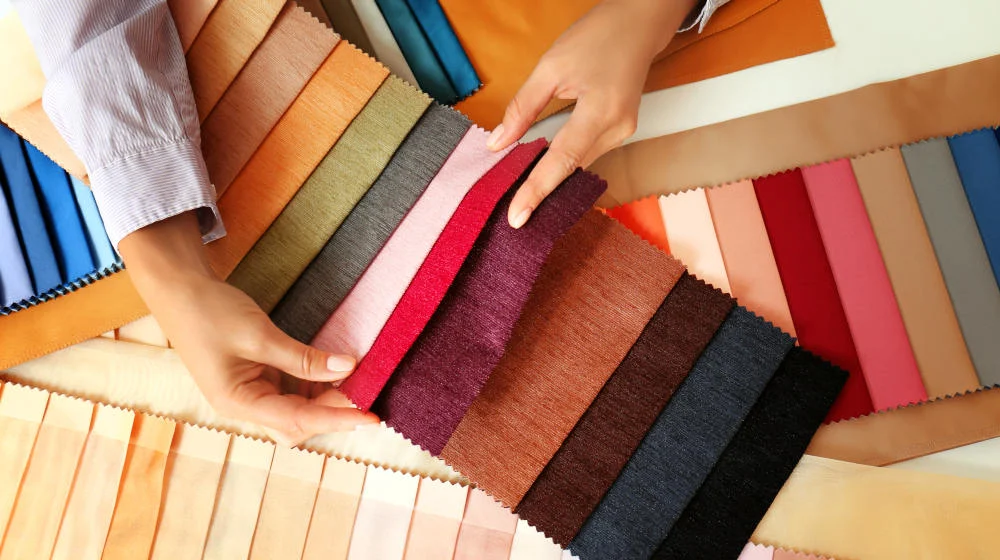
The materials used in your sports gear dictate how well it regulates body temperature, manages sweat, and handles rough terrain. Decathlon categorizes its internal product lines by performance tier, making it easy to compare materials side by side.
- Moisture-Wicking Synthetics (Polyester/Polyamide): Ideal for high-sweat activities like cardio, cycling, and team sports. Synthetics pull moisture away from your skin to the outer surface where it dries quickly.
- Natural Fibers (Merino Wool): Outstanding for multi-day hiking and cold-weather training. Merino wool naturally resists odor, regulates temperature when wet or dry, and feels soft against the skin.
- Weather-Proof Membranes (Novadry/Waterproof Coatings): Crucial for outdoor gear. Look for waterproof ratings (measured in mm) and breathability scores (RET rating) to match your local climate conditions.
4. Don’t Compromise on Safety and Joint Support
For high-impact sports or outdoor adventures, safety gear is non-negotiable. Whether you are buying cycling helmets, knee supports, wrist guards, or trail running poles, protective equipment must be certified and properly adjusted.
  ┌─────────────────────────────────────────────────────────────┐
  │                 ESSENTIAL SAFETY CHECKLIST                  │
  ├─────────────────────────────────────────────────────────────┤
  │  [ ] Helmets: Check CE certifications & dial-fit adjustability│
  │  [ ] Footwear: Ensure tread depth matches terrain type      │
  │  [ ] Hydration: Verify capacity for long, remote routes     │
  │  [ ] Visibility: Look for 360-degree reflective detailing   │
  └─────────────────────────────────────────────────────────────┘
If you have a history of joint sensitivity or are recovering from an injury, choosing shoes with adequate stack height or wearing ergonomic joint braces can keep you moving confidently without pain.
5. Evaluate Long-Term Value Over Initial Price

It is easy to gravitate toward either the cheapest item available or the most expensive top-of-the-line model. A smarter approach is evaluating cost-per-use.
If a pair of technical running tights costs a bit more upfront but lasts three seasons of heavy winter training without losing shape or elasticity, it delivers far better value than a budget option that stretches out after three washes. Decathlon Spain excels at providing clear product tiers (often branded under signature lines like Kalenji, Quechua, Domyos, and Kiprun), allowing you to pick the precise price-to-performance ratio that fits your routine.
6. Take Advantage of Decathlon Spain’s Services
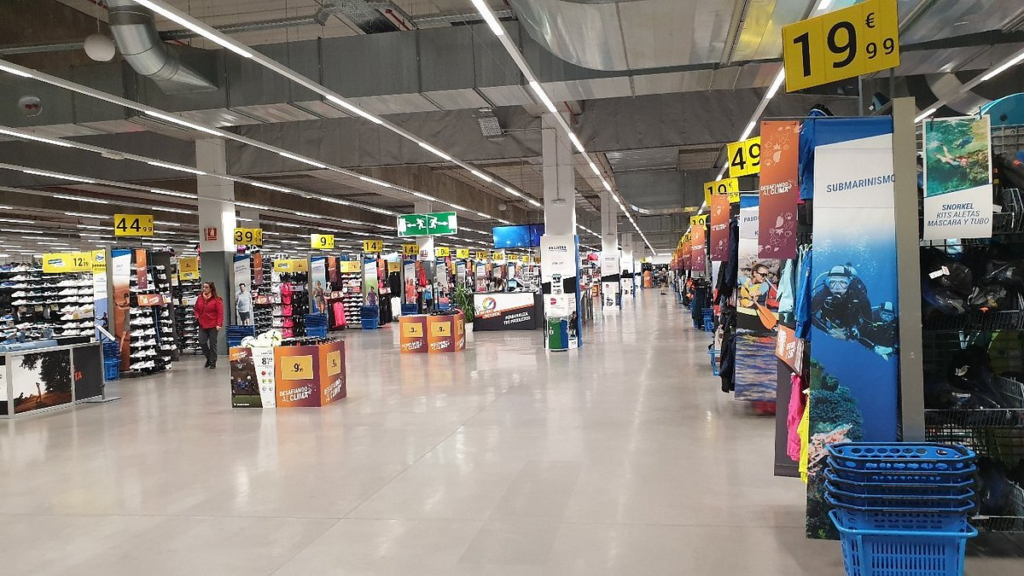
To get the absolute most out of your shopping experience at Decathlon Spain, leverage their practical customer policies:
- Member Return Policies: Decathlon members often enjoy extended return windows, giving you ample time to test clothing fit at home.
- Click & Collect: Order online and pick up at your nearest local store in as little as 1 hour for quick access to your gear.
- In-Store Testing: Visit physical stores to test bicycles, try on weighted backpacks, or walk on inclined test blocks in hiking footwear before buying.
Pro Tip: Always read the product user reviews on the Decathlon Spain website. Filtering reviews by verified buyers who share your height, weight, or skill level provides priceless insights into real-world sizing and durability.
Frequently Asked Questions
1.How do Decathlon’s in-house brands differ from each other?
Decathlon develops specialized internal brands tailored to specific sports—for example, Quechua (hiking & camping), Kalenji and Kiprun (running), Domyos (fitness & gym), and Tribord (water sports). Each brand focuses entirely on the unique requirements of its discipline.
2.How do I know which shoe size to order online from Decathlon Spain?
Check the detailed sizing guide provided on each product page. It is best to measure your foot length in centimeters and compare it against the brand’s specific chart, as sizing can vary slightly between sports brands.
3.Are Decathlon’s entry-level products durable enough for regular workouts?
Yes, Decathlon subjects all entry-level products to strict laboratory and field testing. However, if you train intensely multiple times a week, stepping up to their mid-tier or technical lines offers enhanced durability and performance features.
4.Can I return sports gear if it doesn’t fit properly?
Decathlon Spain offers straightforward return policies, particularly for registered account holders. Items must generally be in resalable condition with original tags intact, though policies vary depending on store membership status.
5.What is the most important piece of gear to invest in for running?
Your footwear is by far the most critical investment. High-quality running shoes matched to your gait, weight, and running surface protect your joints, improve running economy, and prevent common overuse injuries.