
Over the last few years, the way Indian movies portray national identity, war, and border security has undergone a noticeable shift. Ever since the massive success of military dramas like Uri: The Surgical Strike in 2019, followed by action blockbusters like Gadar 2, Border 2, and high-octane spy thrillers like Dhurandhar, cinema has embraced a bolder, punchier tone.
In this onscreen world, the idea of a “Naya Bharat”—a new India that crosses borders to strike back directly—became a huge crowd-pleaser. Catchphrases about revenge and military dominance entered everyday conversations.
However, many moviegoers and critics began asking a deeper question: Has India’s foundational identity really changed? Has the country’s traditional belief in peace, religious tolerance, and pluralism (Ganga-Jamuna tehzeeb) been permanently replaced by aggressive nationalistic rhetoric?
Recently, a clear creative counter-push has emerged on the big screen and streaming platforms. A series of reflective films has stepped in to remind audiences of India’s deeper, compassionate core. Instead of focusing purely on border clashes, these stories revisit history—especially the painful trauma of the 1947 Partition—to spotlight humanity, shared culture, and the devastating cost of hatred.
1. The Rise of “Naya Bharat” Cinema
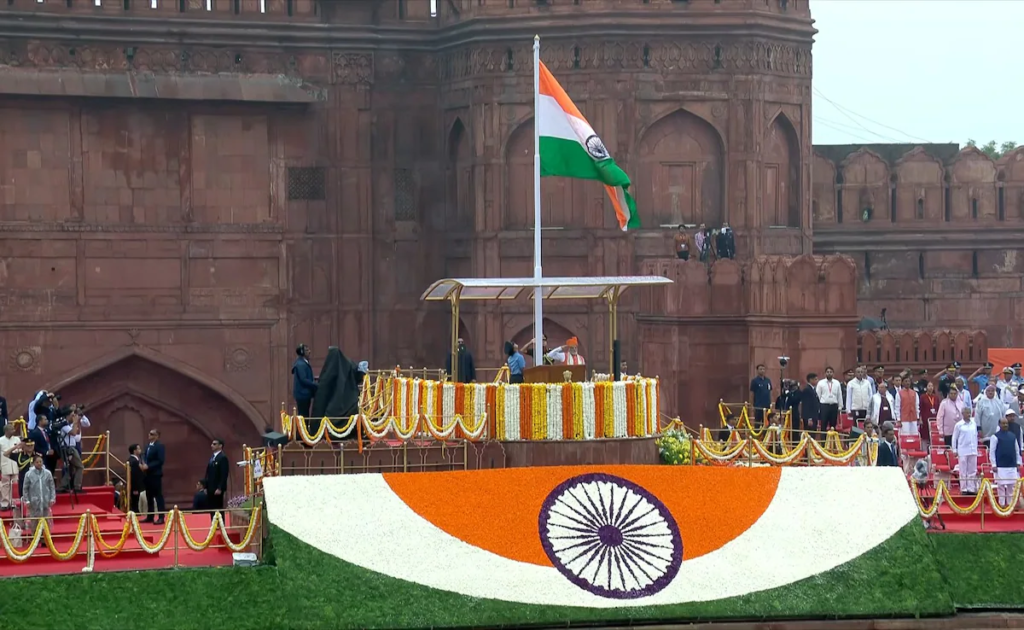
For several years, Hindi cinema was dominated by stories celebrating raw military power and fiery confrontation:
- Aggressive Action: Hits like Uri popularized the idea of preemptive strikes, turning tactical military maneuvers into mass entertainment.
- Nostalgic Sequels: Blockbusters like Gadar 2 and Border 2 leaned heavily on hyper-patriotic heroes dismantling enemies across the border to massive box-office applause.
- Evolving Tropes: The hero was defined by fierce retaliation—a protector who did not hesitate to destroy anyone standing in the way of national pride.
These films resonated strongly at the box office because they tapped into a widespread desire for strength and assertive leadership. But by focusing heavily on hostility, they often left little room for nuanced conversations about peace, historical loss, or cross-border empathy.
2. Returning to Partition: Batwara 1947 and Subverting Expectations
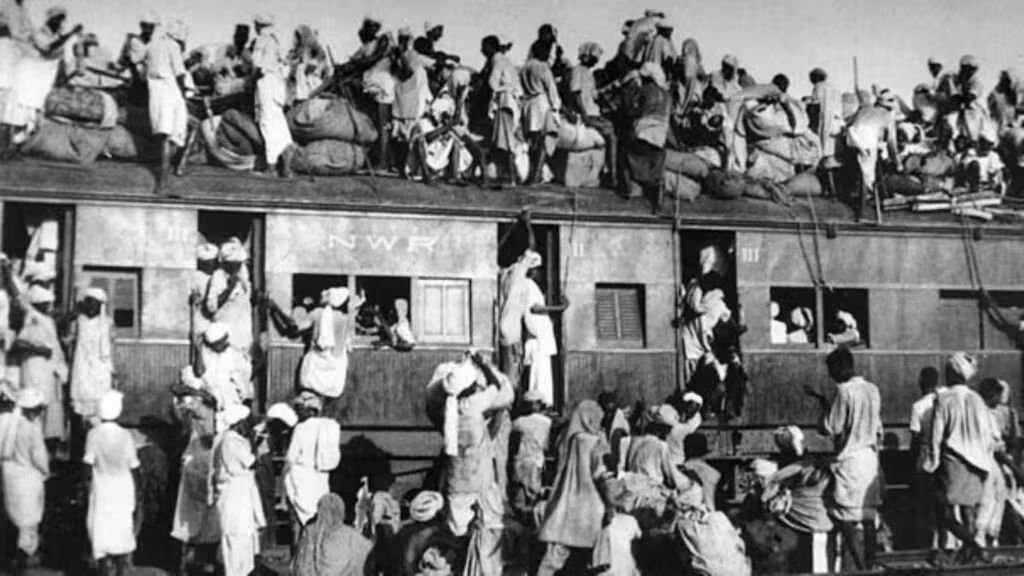
One of the most notable projects challenging this action-heavy trend is Rajkumar Santoshi’s period drama, Batwara 1947 (originally titled Lahore 1947). Produced by Aamir Khan, the film adapts Asghar Wajahat’s acclaimed 1980s play, Jis Lahore Nai Vekhya, O Jameya E Nai (“One who hasn’t seen Lahore hasn’t truly been born”).
┌──────────────────────────────────────────────────────────┐
│                  BATWARA 1947 AT A GLANCE                 │
├──────────────────────────────────────────────────────────┤
│ • Director: Rajkumar Santoshi                            │
│ • Producer: Aamir Khan & Aparna Purohit                  │
│ • Source Material: Asghar Wajahat's classic play         │
│ • Lead Cast: Sunny Deol, Shabana Azmi, Preity Zinta      │
│ • Core Theme: Protecting humanity against extremism      │
└──────────────────────────────────────────────────────────┘
Powerful Slogans with a Different Purpose
In the film’s promotional trailers, Karan Deol’s character delivers a fiery line toward Pakistani fundamentalists, warning that his father (played by Sunny Deol) respects no borders when protecting his loved ones: “Seedha ghus ke maarenge.”
On the surface, this sounds like the typical action dialogue fans expect from Sunny Deol. But director Rajkumar Santoshi subverts the expectation entirely:
- Fighting Fanaticism, Not People: Unlike Gadar‘s Tara Singh, who fights for his own family, Sunny Deol’s character in Batwara 1947 fights to defend someone else—a Hindu family’s dignity—against religious extremist mobs. Wikipedia
- Defending Places of Worship: When an extremist (played by Abhimanyu Singh) demands that a small Hindu temple inside an old mansion be demolished, Sunny Deol’s character firmly stops him, stating: “Mandir todna Islam nahi hai” (“Destroying a temple is not Islam”).
- Protecting the Vulnerable: The story focuses on a Muslim family migrating to Lahore during Partition who moves into a mansion (haweli). There, they find an elderly Hindu woman (played by Shabana Azmi) who refuses to leave her ancestral home. Instead of driving her out, the family shields her from local fundamentalists. Wikipedia+ 1
By casting Sunny Deol—an actor synonymous with intense, patriotic action—in a role centered on protecting an elderly woman of another faith, the film uses star power to deliver a message of religious harmony.
3. Love, Trauma, and Unfinished Business: Main Vaapas Aaunga
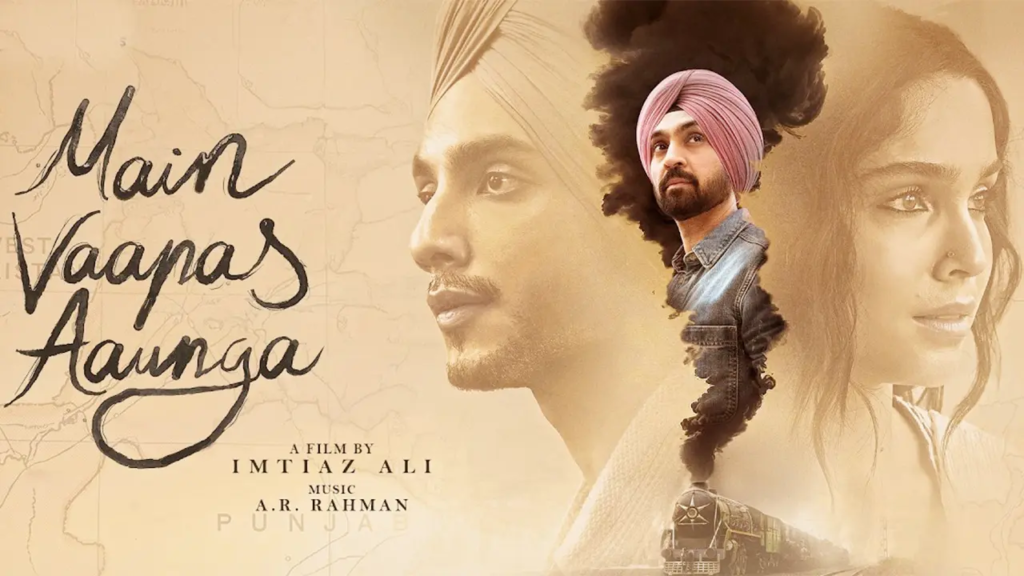
While Batwara 1947 approaches Partition through dramatic confrontation, Imtiaz Ali’s romance drama Main Vaapas Aaunga takes a quieter, more emotional path.
Wikipedia
The story follows an elderly man named Keenu (played in his youth by Vedang Raina and in his final days by Naseeruddin Shah). Decades after being forced to flee his hometown of Sargodha (now in Pakistan) during the 1947 riots, the 95-year-old Keenu insists on returning to his birthplace to settle “unfinished business”.
                 MAIN VAAPAS AAUNGA (2026)
                             │
     ┌───────────────────────┴───────────────────────┐
     ▼                                               ▼
Past Timeline (1947)                      Present Day Timeline
• Young Keenu (Vedang Raina)             • 95-Year-Old Keenu (Naseeruddin Shah)
• Forced displacement from Sargodha      • Struggling with dementia & regret
• Tragedy & heartbreak with Afsana       • Grandson Nirvair seeks closure
Flipping the Romance Trope
Audiences expecting a simple story about star-crossed lovers reuniting in old age are met with a much deeper exploration of historical grief:
- The Tragedy of Hatred: During Partition, communal violence claims the lives and safety of Keenu’s family members. The pain of this tragedy forces him to leave Pakistan with deep anger and bitterness.
- The Cost of Bitterness: Keenu builds a successful, prosperous life in post-independence India, but carrying decades of resentment alters his ability to love and trust humanity.
- A Search for Forgiveness: His journey back to his roots is not just about finding a lost romantic partner; it is about confronting the bitterness that corrupted his spirit and making peace with the past before his life ends. Hindustan Times
Through this narrative, Imtiaz Ali demonstrates that the true tragedy of Partition was not only the physical destruction, but also how violence forced ordinary people to give up their capacity for empathy.
4. Veteran Actors as Moral Anchors
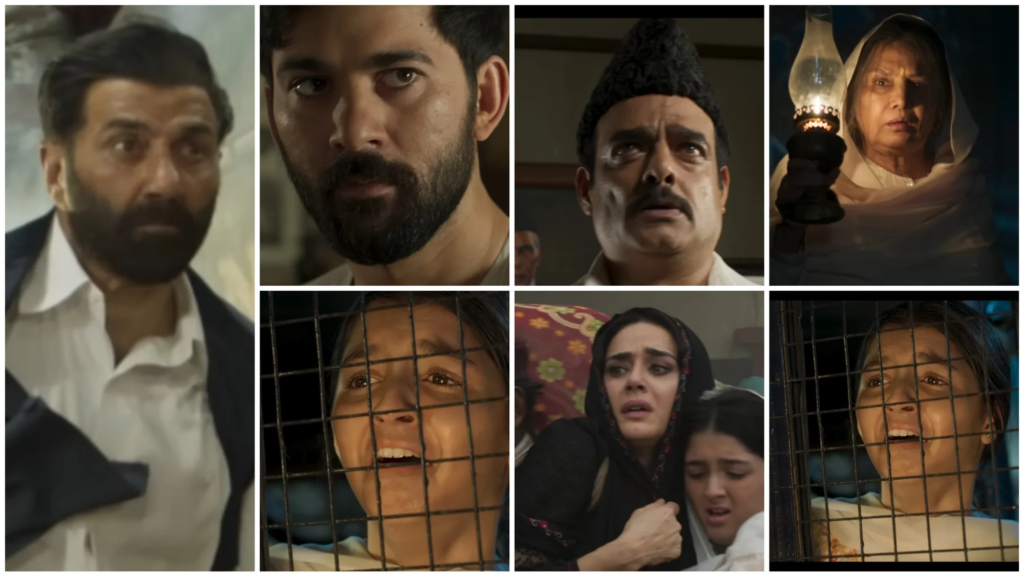
A central thread connecting recent films like Batwara 1947, Main Vaapas Aaunga, and Sriram Raghavan’s wartime biographical drama Ikkis is the presence of veteran cinema icons.
Wikipedia
Actors like Shabana Azmi and Naseeruddin Shah act as elder figures within these stories, guiding younger generations back toward foundational values:
- Parallel Cinema Legacy: Both actors emerged from India’s parallel cinema movement of the 1970s and 1980s, which routinely tackled complex social issues, secular values, and human rights.
- Onscreen Wisdom: In these new films, their characters do not preach hatred or revenge. Instead, they represent memory, endurance, and the belief that neighborly warmth must survive even during political crises. Wikipedia
- Offscreen Voices: In real life, both figures have frequently spoken out during public debates and student protests, reinforcing their role as moral conscience-keepers both on and off the screen.
5. Cinema’s Reflection of Real-World Tensions
The release of these reflective Partition dramas comes at a delicate time for both the film industry and broader society:
Public Movements and Political Silence
In recent times, public spaces and university campuses in major cities like New Delhi have seen growing youth-led protests and debates around democratic rights. On social media, millions of young users actively discuss national identity, political accountability, and social justice.
Despite these vibrant public movements, much of mainstream Bollywood has historically remained silent or extremely cautious when navigating political issues. For years, major studios preferred producing safe, nationalistic action films that guaranteed box-office success while avoiding political risk.
Why Batwara 1947 Stands Out
Against this backdrop, producing a big-budget mainstream film based on Asghar Wajahat’s anti-fanaticism play is a notable risk.
- Title Adjustments: Originally announced and filmed under the title Lahore 1947, the producers eventually renamed the film Batwara 1947 prior to its August 2026 release. This decision reflected practical marketing considerations and sensitivities around cross-border titles in the current political climate. The Indian Express
- Challenging Majoritarian Narratives: Instead of leaning into easy villainization, Batwara 1947 insists that true courage lies in standing up against religious extremism, regardless of which community it comes from.
Conclusion: The Undercurrent of Harmony
Action thrillers celebrating military strikes and tough-talking heroes will always have a place in commercial cinema. However, the recent emergence of films like Batwara 1947 and Main Vaapas Aaunga shows that Indian cinema is making space for a more balanced perspective.
When public discourse becomes noisy and divisive, Indian storytelling often returns to its roots—revisiting shared history, healing old wounds, and honoring the quiet, underlying current of mutual respect (Ganga-Jamuna tehzeeb) that continues to define the nation’s cultural heritage.
Frequently Asked Questions
What is the main story of the film Batwara 1947?
Batwara 1947 (formerly titled Lahore 1947) is directed by Rajkumar Santoshi and produced by Aamir Khan. Based on Asghar Wajahat’s famous play Jis Lahore Ni Vekheya, O Jameya E Nai, it follows a Muslim family migrating to Lahore during Partition who protects an elderly Hindu woman refusing to leave her ancestral home.
Why was the title of Lahore 1947 changed to Batwara 1947?
The makers retitled the film Batwara 1947 prior to its release to avoid unnecessary political controversies and geopolitical sensitivities surrounding the word “Lahore” in the title, ensuring a smooth theatrical release.
What theme does Imtiaz Ali explore in Main Vaapas Aaunga?
In Main Vaapas Aaunga, director Imtiaz Ali explores how the trauma, displacement, and violence of the 1947 Partition leave long-term emotional scars on individuals, affecting their ability to love, forgive, and find peace later in life.
What does the term “Ganga-Jamuna tehzeeb” mean in Indian culture?
Ganga-Jamuna tehzeeb refers to the traditional, composite culture of India, characterized by mutual respect, peaceful coexistence, and shared cultural traditions between different religious communities, particularly Hindus and Muslims.
How are recent Partition films different from action hits like Uri or Gadar 2?
While action films like Uri and Gadar 2 focus on military retaliation, high-octane battles, and overt nationalistic slogans, recent Partition dramas focus on civilian struggles, human compassion, standing up against religious extremism, and healing historical trauma.