
In today’s fast-paced world, life often feels like a constant race. From endless notifications on our phones to work deadlines, academic pressure, social responsibilities, and personal expectations, it is easy to feel overwhelmed. Many people spend their days rushing from one task to another without truly experiencing the present moment. This is where mindful living becomes a powerful practice. Mindful living is not about escaping responsibilities or slowing life down completely. It is about learning to fully experience each moment with awareness, intention, and gratitude.
Mindful living has become one of the most valuable practices for creating a happier and healthier life. It teaches us to pause, breathe, and connect with what is happening right now rather than constantly worrying about the future or replaying the past. When we live mindfully, we begin to notice life’s simple joys, handle challenges with greater calmness, and develop a deeper understanding of ourselves.
This guide explores everything you need to know about mindful living, how it can transform your life, and practical ways to incorporate it into your daily routine for lasting happiness.
What Is Mindful Living?

Mindful living is the practice of bringing your full attention to the present moment without judgment. It means being aware of your thoughts, emotions, surroundings, and actions as they happen. Instead of operating on autopilot, mindfulness encourages intentional awareness.
Many people mistakenly believe mindfulness requires sitting cross-legged for hours in silence. While meditation can be part of mindfulness, mindful living extends far beyond formal meditation sessions. It can be practiced while eating breakfast, walking to work, talking to a friend, or even washing dishes.
The essence of mindful living lies in experiencing life as it unfolds. It is about noticing the warmth of sunlight on your skin, savoring the taste of your coffee, listening fully during conversations, and becoming aware of your thoughts without being controlled by them.
Mindfulness allows you to become an observer of your experiences rather than reacting automatically. This shift creates emotional balance, clarity, and inner peace.
Why Mindful Living Matters
Modern life often encourages distraction. We multitask while eating, scroll through social media while talking to loved ones, and constantly think about what comes next. This scattered attention can lead to stress, anxiety, and dissatisfaction.
Mindful living matters because it helps us reconnect with ourselves and our experiences. It reminds us that happiness is not always found in future achievements but often exists in the present moment.
When you practice mindfulness, you become more aware of your habits and reactions. This awareness allows you to make conscious choices rather than being driven by stress or impulse. Over time, this leads to healthier relationships, improved focus, better emotional regulation, and a greater sense of fulfillment.
Mindfulness also helps us appreciate what we already have. Instead of constantly chasing more, we learn to recognize abundance in simple everyday moments.
The Connection Between Mindfulness and Happiness

Happiness is often misunderstood as something external, tied to success, possessions, or recognition. While these things can bring temporary satisfaction, lasting happiness often comes from inner peace and contentment.
Mindfulness supports happiness by helping us fully engage with life as it is. When we are present, we notice beauty in ordinary experiences. We become less consumed by regrets about the past or worries about the future.
Happiness is often misunderstood as something external, tied to success, possessions, or recognition. While these things can bring temporary satisfaction, lasting happiness often comes from inner peace and contentment.
Mindfulness supports happiness by helping us fully engage with life as it is. When we are present, we notice beauty in ordinary experiences. We become less consumed by regrets about the past or worries about the future.
Research has shown that mindfulness reduces stress, anxiety, and depression while increasing emotional resilience and life satisfaction. This happens because mindfulness trains the brain to focus on what is happening now instead of getting caught in negative thought patterns.
Mindful people often report feeling more grateful, connected, and emotionally balanced. Happiness grows naturally when we stop resisting life and start experiencing it fully.
How to Start Practicing Mindful Living
Beginning a mindful lifestyle does not require dramatic changes. Small consistent practices often create the biggest transformation.
The first step is simply paying attention. Notice your thoughts, physical sensations, and surroundings throughout the day. Observe without judgment. If your mind wanders, gently bring your attention back.
Start by choosing one daily activity to practice mindfully. This could be brushing your teeth, drinking tea, or taking a short walk. Focus fully on the experience. Notice the sensations, sounds, and details you usually overlook.
Breathing is another powerful anchor for mindfulness. Whenever you feel stressed, pause and take slow, intentional breaths. Feel the air entering and leaving your body. This simple practice can instantly bring you back to the present moment.
Consistency matters more than perfection. Mindfulness is a skill developed over time through practice.
Mindful Morning Routines

The way you begin your morning sets the tone for your entire day. Many people start their day by immediately checking their phones, which often leads to stress and distraction.
A mindful morning creates space for intention and calmness. Instead of rushing, begin your day slowly and consciously.
Wake up and take a few deep breaths before getting out of bed. Notice how your body feels. Stretch gently and express gratitude for a new day.
Rather than scrolling through notifications, spend a few moments in silence. You might sit quietly, meditate, journal, or simply enjoy your morning beverage without distractions.
Setting a daily intention can also be powerful. Ask yourself how you want to feel and what mindset you want to carry throughout the day.
These small practices create clarity and help you approach the day with greater presence.
Mindful Eating for Better Well-Being
Eating is one of the easiest ways to practice mindfulness, yet it is often rushed and distracted.
Mindful eating involves paying full attention to the experience of eating. Notice the colors, textures, aromas, and flavors of your food. Chew slowly and savor each bite.
This practice helps improve digestion, prevents overeating, and deepens appreciation for nourishment.
Mindful eating also encourages a healthier relationship with food. Instead of eating out of boredom, stress, or habit, you become more aware of your body’s true hunger and fullness signals.
By slowing down during meals, eating becomes more enjoyable and nourishing.
Managing Stress Through Mindfulness
Stress is a natural part of life, but our relationship with stress determines its impact.
Mindfulness helps by creating space between stimulus and response. Instead of reacting impulsively to stressful situations, you learn to pause and respond thoughtfully.

When stress arises, focus on your breath. Notice the physical sensations in your body. Acknowledge your emotions without trying to suppress them.
Mindfulness teaches acceptance. This does not mean giving up or ignoring problems. It means recognizing reality as it is so you can respond more effectively.
Regular mindfulness practice strengthens emotional resilience, making it easier to navigate challenges with calmness and clarity.
Building Better Relationships Through Presence
One of the greatest gifts mindfulness offers is deeper connection with others.
Many conversations happen while our minds are elsewhere. We may listen while thinking about our response, checking our phones, or worrying about unrelated concerns.
Mindful communication means being fully present during interactions. Listen with genuine attention. Notice the other person’s words, tone, and emotions.
When we offer presence, relationships become more meaningful. People feel heard, understood, and valued.
Mindfulness also helps us respond with compassion rather than reacting defensively during conflict. This creates healthier, more authentic relationships.
Letting Go of Overthinking

Overthinking often steals joy from the present moment. We replay past mistakes or imagine worst-case future scenarios.
Mindfulness interrupts this cycle by grounding us in what is happening right now.
When you notice overthinking, gently acknowledge the thoughts without judgment. Then bring your attention back to your breath, surroundings, or current activity.
Remember that thoughts are not facts. They are mental events that come and go.
With practice, mindfulness helps create distance from unhelpful thought patterns, allowing greater mental clarity and peace.
Creating a Mindful Environment
Your surroundings influence your state of mind.
A cluttered, chaotic environment can contribute to stress and distraction, while a calm intentional space supports mindfulness.
Creating a mindful environment does not require perfection. Simple changes can make a big difference.
Declutter spaces where you spend the most time. Add natural elements like plants or sunlight. Create areas free from digital distractions.
Choose objects that inspire peace and meaning.
A mindful environment serves as a daily reminder to slow down and be present.
The Long-Term Benefits of Mindful Living
Mindful living is not a quick fix. It is a lifelong practice that gradually transforms how you experience life.
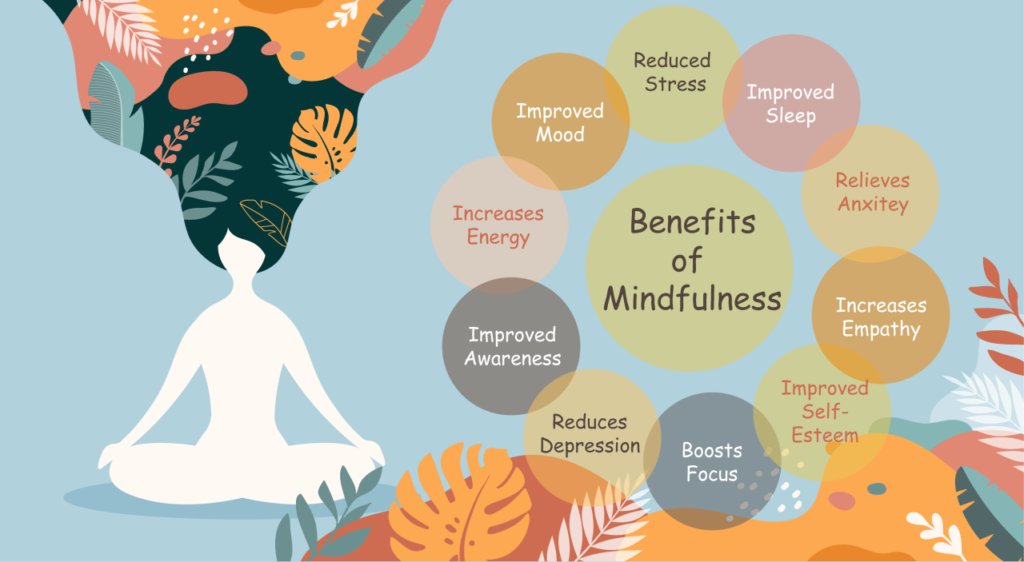
Over time, mindfulness can improve focus, reduce anxiety, strengthen relationships, enhance self-awareness, and increase overall happiness.
It helps you become less reactive and more intentional. You develop greater appreciation for ordinary moments and greater resilience during difficult ones.
Most importantly, mindful living teaches that happiness is not something to chase endlessly. It is something we cultivate by fully embracing the present.
FAQ
1.What is mindful living in simple words?
Mindful living means paying full attention to the present moment and experiencing life with awareness instead of living on autopilot.
2.How can beginners start practicing mindfulness?
Beginners can start by focusing on their breath, practicing mindful eating, taking short quiet walks, and paying attention to daily activities.
3.Does mindful living reduce stress?
Yes, mindfulness helps reduce stress by teaching you to respond calmly and consciously rather than reacting automatically.
4.How long does it take to see benefits from mindfulness?
Some people notice benefits immediately, while deeper long-term changes often develop through consistent daily practice over weeks or months.
5.Can mindfulness improve relationships?
Yes, mindfulness improves relationships by encouraging active listening, emotional awareness, patience, and compassionate communication.