
The world is changing faster than ever before. What once felt like science fiction is now becoming part of everyday life. From artificial intelligence helping businesses make smarter decisions to smart homes that can control lighting and security with a simple voice command, future trends are shaping the way people live, work, and connect. As technology continues to evolve, lifestyle habits and business strategies are transforming alongside it. Companies are adapting to digital innovation, consumers are changing their expectations, and individuals are finding new ways to balance convenience, productivity, and wellness.
Looking ahead, the next few years are expected to bring even more dramatic changes across industries. Businesses that stay updated with modern trends will have a better chance of growth, while individuals who understand these changes can prepare themselves for new opportunities. Whether it is remote work, sustainable living, automation, or personalized digital experiences, future trends are becoming impossible to ignore. Understanding these shifts is not only useful for entrepreneurs and professionals but also for students, creators, and families trying to adapt to a rapidly changing world.
The Rise of Artificial Intelligence in Everyday Life
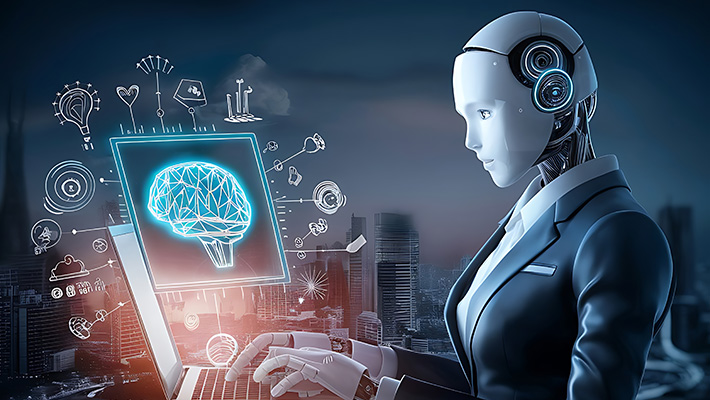
Artificial intelligence has become one of the biggest technological trends of the modern era. AI is no longer limited to large tech companies or complex computer systems. It is now integrated into daily life in ways many people may not even realize. Smartphones use AI for voice assistants, social media platforms rely on algorithms to recommend content, and online shopping websites personalize product suggestions based on browsing habits.
Businesses are also using AI to improve customer service, analyze market trends, and automate repetitive tasks. Chatbots can answer customer questions instantly, while AI-powered software helps companies predict consumer behavior more accurately. In healthcare, AI is being used to detect diseases earlier and support medical professionals with data analysis. In education, smart learning platforms are helping students learn at their own pace.
As AI technology becomes more advanced, its influence will continue to grow. While some people worry about automation replacing jobs, others see AI as an opportunity to create new careers and improve efficiency. The future will likely involve humans and AI working together rather than competing against each other.
Remote and Hybrid Work Becoming the New Normal
One of the most noticeable lifestyle and business trends in recent years has been the shift toward remote and hybrid work environments. Many companies discovered that employees could remain productive while working from home, leading to major changes in workplace culture.
Employees today value flexibility more than ever before. Instead of spending hours commuting every day, people can now work from different locations while maintaining a healthier work-life balance. Businesses are also benefiting by reducing office costs and accessing talent from around the world.
Technology has played a major role in supporting this transition. Video conferencing platforms, cloud storage systems, and project management tools allow teams to collaborate from anywhere. The future workplace may become even more digital, with virtual offices and AI-driven productivity tools improving communication and workflow.
At the same time, companies are realizing the importance of maintaining employee well-being. Flexible schedules, mental health support, and wellness-focused workplace policies are becoming more common as organizations aim to create healthier work environments.
Sustainable Living and Green Innovation

Sustainability is no longer just a popular buzzword. It has become one of the most important global future trends. People are becoming increasingly aware of environmental issues such as climate change, pollution, and waste management. As a result, businesses and consumers are making more eco-conscious decisions.
Many companies are investing in renewable energy, sustainable packaging, and environmentally friendly production methods. Electric vehicles are becoming more popular, and governments around the world are supporting cleaner transportation solutions. Consumers are also choosing products that align with sustainable values, encouraging brands to become more transparent and responsible.
Smart homes are another growing trend connected to sustainability. Energy-efficient appliances, solar panels, and intelligent lighting systems are helping households reduce energy consumption. In the future, green technology is expected to become more affordable and accessible, making sustainable living a normal part of everyday life.
Businesses that prioritize sustainability are also gaining stronger customer trust. Modern consumers often prefer brands that care about environmental and social issues, making sustainability not only ethical but also profitable.
The Expansion of Digital Commerce
Online shopping has completely transformed the retail industry, and digital commerce continues to evolve rapidly. Consumers today expect fast delivery, personalized recommendations, and seamless shopping experiences across multiple devices.
Social media platforms are now becoming shopping destinations themselves. Influencers, short-form videos, and live-stream shopping events are influencing purchasing decisions in powerful ways. Businesses are investing heavily in digital marketing strategies to capture online audiences and improve customer engagement.
Another major trend is the growth of mobile payments and digital wallets. Cashless transactions are becoming increasingly common as people prefer quick and secure payment methods. Cryptocurrency and blockchain technology are also gaining attention as potential parts of the future financial system.
E-commerce businesses are using data analytics and AI to understand customer preferences better. Personalized shopping experiences, targeted advertisements, and automated customer support systems are helping brands build stronger relationships with consumers.
As internet access improves globally, digital commerce is expected to reach even more markets and customers in the coming years.
Health and Wellness Becoming a Top Priority
Modern lifestyles are encouraging people to focus more on physical and mental well-being. Health and wellness trends are influencing industries such as fitness, food, beauty, and even workplace culture.
People are becoming more interested in healthy eating, mindfulness, fitness tracking devices, and self-care routines. Wearable technology such as smartwatches can now monitor heart rate, sleep patterns, and activity levels in real time. These tools are helping individuals take better control of their health.
Mental health awareness has also increased significantly. More businesses and schools are recognizing the importance of emotional well-being and stress management. Meditation apps, online therapy platforms, and wellness-focused communities are becoming increasingly popular.
The healthcare industry itself is experiencing digital transformation. Telemedicine allows patients to consult doctors remotely, while health apps provide easier access to medical information and fitness support. Personalized healthcare based on individual data and genetic analysis may become more common in the future.
As people continue prioritizing wellness, businesses offering health-related products and services are expected to grow rapidly.
Smart Technology and Connected Living
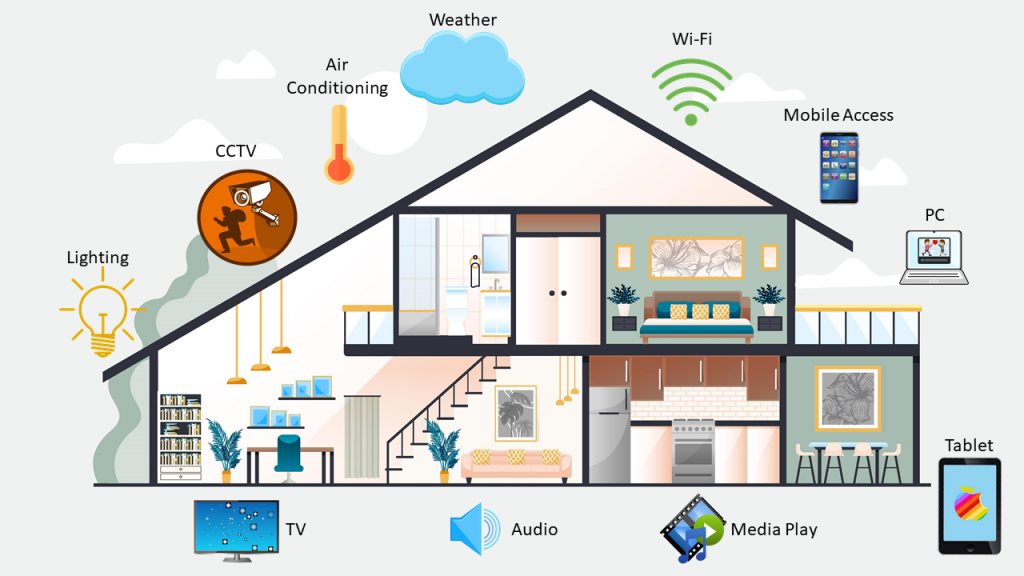
The concept of smart living is changing how people interact with their homes and surroundings. Smart devices can now control lighting, security systems, appliances, and entertainment systems using voice commands or mobile apps.
The Internet of Things, often called IoT, connects devices to the internet so they can communicate and share information. This technology is making homes safer, more efficient, and more convenient. Smart refrigerators can track groceries, smart thermostats can reduce energy usage, and smart security cameras provide real-time monitoring.
Cities are also becoming smarter through technology integration. Traffic management systems, digital public services, and energy-efficient infrastructure are helping urban areas operate more effectively.
As 5G networks expand, smart technology is expected to become even faster and more reliable. This improved connectivity will support innovations such as autonomous vehicles, advanced healthcare systems, and real-time communication technologies.
The Future of Business and Entrepreneurship
Business trends are changing rapidly as digital innovation continues to reshape industries. Traditional business models are evolving, and entrepreneurship has become more accessible than ever before.
Many small businesses and creators are building online brands through social media, e-commerce, and digital content platforms. Remote work and global internet access have made it easier for entrepreneurs to reach customers worldwide.
Subscription-based services are becoming increasingly popular across industries, from entertainment and software to food delivery and fitness programs. Businesses are focusing more on customer experience and long-term relationships instead of one-time sales.
Automation and data analytics are also helping companies make smarter decisions. Businesses can now track customer behavior, predict market changes, and improve operational efficiency using advanced technology.
The future business landscape is expected to reward adaptability, creativity, and innovation. Companies that embrace digital transformation and stay connected with consumer needs are likely to thrive.
The Growing Importance of Cybersecurity
As technology becomes more integrated into daily life, cybersecurity is becoming a major concern. Businesses and individuals store huge amounts of personal and financial information online, making data protection increasingly important.
Cyber threats such as hacking, identity theft, and online scams continue to rise. Companies are investing heavily in cybersecurity systems to protect customer data and maintain trust. Multi-factor authentication, encrypted communication, and AI-powered threat detection are becoming common security measures.
Consumers are also becoming more aware of online privacy. People want greater control over how their data is collected and used. Governments around the world are introducing stricter regulations to improve digital privacy and security standards.
In the future, cybersecurity professionals are expected to be in high demand as digital systems continue expanding across industries.
Education and Skill Development in the Digital Age

The future of education is becoming more flexible and technology-driven. Online learning platforms, virtual classrooms, and digital courses are making education accessible to more people worldwide.
Students and professionals are increasingly focusing on skill-based learning instead of relying only on traditional degrees. Courses in coding, digital marketing, artificial intelligence, and content creation are becoming highly valuable in the modern job market.
Technology is also changing classroom experiences. Interactive learning tools, virtual reality simulations, and AI-powered tutoring systems are helping students learn more effectively.
As industries continue evolving, lifelong learning will become essential. People will need to continuously update their skills to stay competitive in a rapidly changing world.
FAQs
1.What are future trends?
Future trends are emerging changes and developments that are expected to influence technology, business, lifestyle, and society in the coming years. These trends often shape how people work, live, and interact with the world.
2.Why is artificial intelligence considered an important future trend?
Artificial intelligence improves automation, decision-making, customer service, and productivity across industries. It is becoming increasingly important because it helps businesses and individuals complete tasks more efficiently.
3.How is remote work changing businesses?
Remote work allows employees to work from different locations while maintaining flexibility and productivity. Businesses benefit by reducing operational costs and accessing global talent.
4.What is sustainable living?
Sustainable living involves making environmentally friendly choices that reduce waste, conserve resources, and support long-term environmental health.
5.Why is cybersecurity important for the future?
As more personal and business activities move online, cybersecurity helps protect sensitive information from cyber threats, hacking, and data breaches.