
Food safety is something most people rarely think about until a headline suddenly brings it into focus. Recently, one such headline has caught widespread attention: a recall involving Utz potato chips due to concerns about Salmonella contamination. For many households, snacks like potato chips are a simple pleasure, something enjoyed without a second thought. But when a trusted brand faces a safety issue, it naturally raises questions, concerns, and even anxiety.
This situation is not just about a product recall. It is about understanding how food safety works, what risks are involved, and how consumers can respond calmly and responsibly. While recalls can feel alarming, they are also a sign that safety systems are functioning as intended, identifying potential risks before they become widespread problems.
Understanding the Recall and What It Means
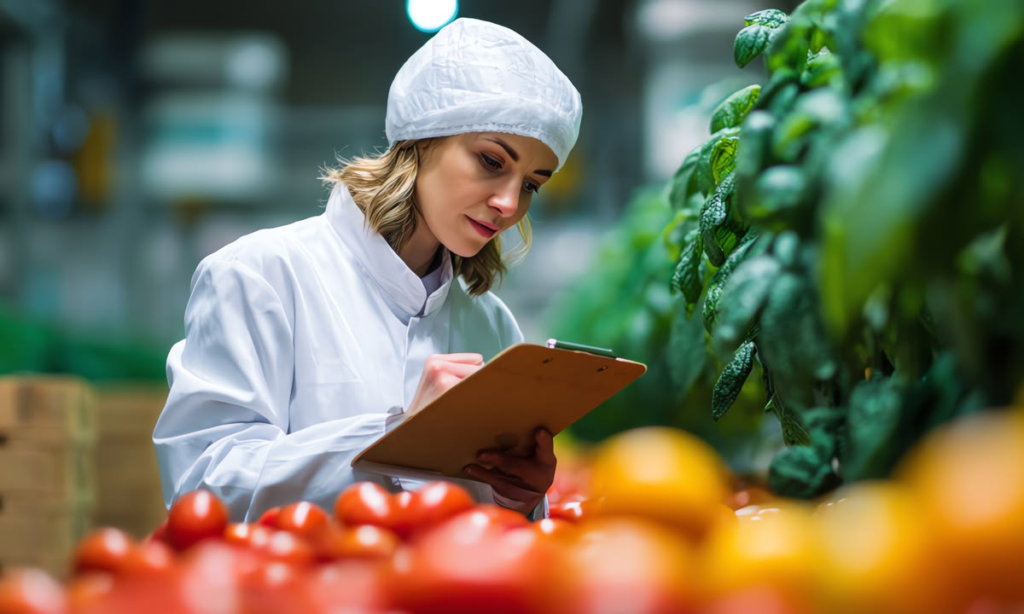
When a company issues a recall, it means that a product may not meet safety standards and could pose a risk to consumers. In this case, Utz has taken precautionary steps after concerns arose about possible contamination with Salmonella. It is important to understand that recalls are often initiated before confirmed widespread harm occurs. They are preventive measures designed to protect public health.
Food companies operate under strict guidelines, and when something appears unusual, whether it is a supplier issue, a manufacturing concern, or testing results, they are required to act quickly. This proactive response helps prevent potential illness and builds long-term trust with consumers, even though it may temporarily shake confidence.
For consumers, the recall means staying informed and checking whether any purchased products are affected. It does not mean panic, but it does call for awareness and responsible action.
What Is Salmonella and Why Is It a Concern
Salmonella is a type of bacteria that can cause foodborne illness. It is commonly associated with contaminated food or water and can affect people of all ages. Symptoms often include stomach discomfort, fever, and digestive issues, which usually appear within a few hours to a couple of days after exposure.
While many people recover without serious complications, certain groups, such as young children, older adults, and individuals with weakened immune systems, may face higher risks. This is why even a potential presence of Salmonella in a food product is taken seriously.
The concern is not just about the bacteria itself but about how easily it can spread if contaminated products are consumed or handled improperly. That is why recalls are issued quickly, even when the risk is still being investigated.
How Recalls Impact Consumer Trust
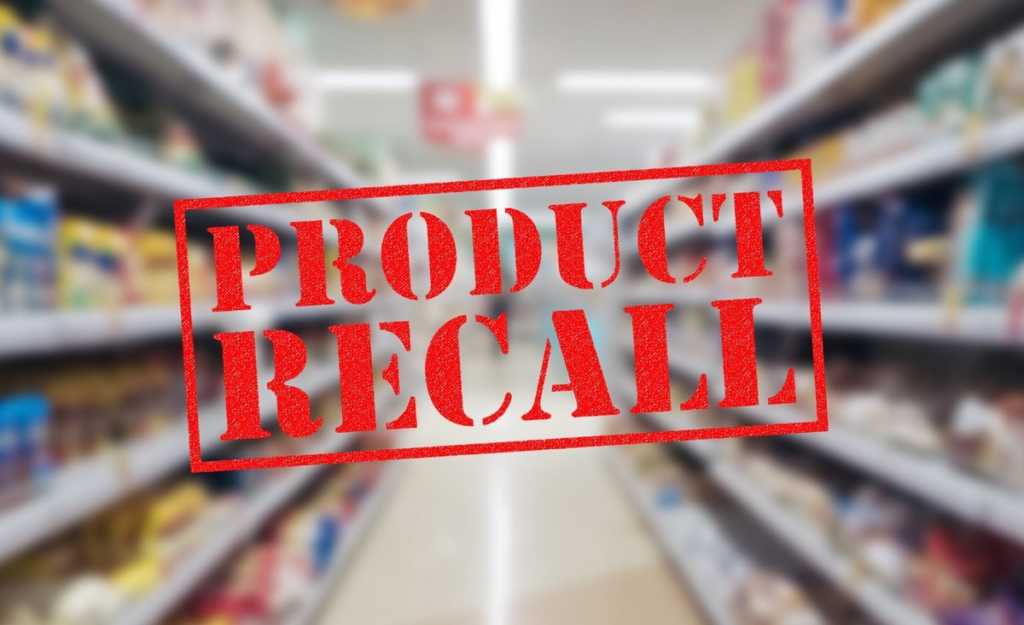
When a well-known brand like Utz faces a recall, it naturally affects how consumers feel. Trust is built over time, often through consistent quality and reliability. A recall can momentarily disrupt that trust, leading people to question the safety of products they regularly consume.
However, it is also worth recognizing that transparency plays a crucial role in maintaining trust. Companies that openly communicate issues and take swift action often regain consumer confidence more effectively than those that delay or hide problems.
In many ways, a recall reflects accountability. It shows that a company is willing to prioritize consumer safety over short-term business concerns. While it may create concern in the moment, it can strengthen long-term trust if handled responsibly.
What Consumers Should Do Right Now
If you have recently purchased potato chips from Utz, the first step is to check product details carefully. Packaging information, including batch numbers or expiration dates, is usually provided in recall announcements. Matching these details can help determine whether a product is affected.
If there is any uncertainty, it is better to avoid consuming the product until more information is available. Returning the product to the store or disposing of it safely are common recommendations in such situations.
It is also helpful to stay updated through reliable sources. Official company announcements, food safety authorities, and trusted news outlets provide the most accurate and current information. Avoid relying on rumors or unverified claims that may spread quickly online.
The Bigger Picture of Food Safety
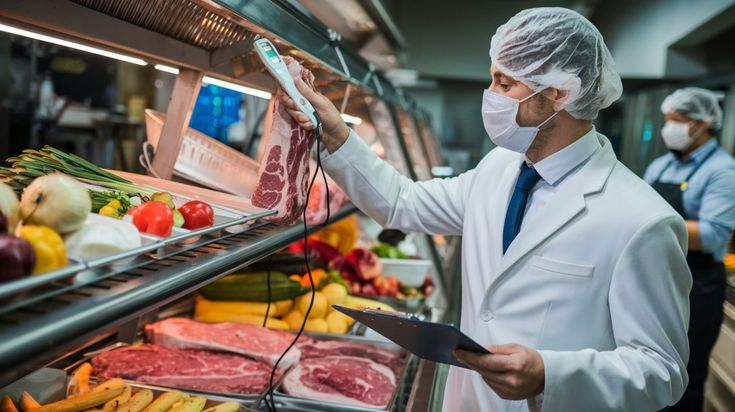
Food recalls are not as rare as they may seem. They occur across different brands and products, ranging from packaged snacks to fresh produce. While this might sound concerning, it actually highlights how closely food safety is monitored.
Modern food systems involve multiple stages, including sourcing, processing, packaging, and distribution. At each stage, there are checks in place to identify potential risks. When something goes wrong, the system is designed to detect it and respond quickly.
The recall involving Utz is part of this broader system. It is an example of how companies and regulators work together to prevent potential health risks from reaching consumers.
Understanding this bigger picture can help reduce fear and replace it with informed awareness. Instead of seeing recalls as failures, they can be viewed as necessary steps in maintaining safety.
Emotional Reactions and Public Response
It is completely natural for people to feel uneasy when they hear about food contamination. Food is a basic part of daily life, and any threat to its safety can feel personal. News about recalls often spreads quickly, sometimes leading to heightened concern or confusion.
Social media can amplify these reactions, with posts and discussions sometimes exaggerating the situation. While awareness is important, it is equally important to stay grounded in facts.
Most recalls are handled efficiently, and the number of people affected is often limited due to early intervention. Keeping this perspective can help manage anxiety and encourage a more balanced response.
Lessons for Consumers and Brands
Every recall offers an opportunity to learn. For consumers, it is a reminder to stay informed about the products they purchase and to pay attention to safety announcements. It also highlights the importance of proper food handling and storage practices at home.
For brands, recalls reinforce the need for strict quality control and transparent communication. In today’s connected world, information travels quickly, and how a company responds can shape public perception for years.
The situation involving Utz may raise concerns, but it also demonstrates the importance of accountability and responsiveness in the food industry.
Moving Forward with Awareness
As the situation continues to develop, staying informed is the best approach. Updates from reliable sources will provide clarity on which products are affected and what steps are being taken to resolve the issue.
Consumers can take comfort in knowing that food safety systems are designed to protect them. While no system is perfect, ongoing monitoring, testing, and regulation play a crucial role in minimizing risks.
The key is to remain aware without becoming overwhelmed. A recall is a temporary situation, and with proper action, it can be managed effectively.
FAQs
1.What is the reason behind the Utz potato chips recall ?
The recall was issued due to concerns about possible contamination with Salmonella, which can cause foodborne illness.
2.What should I do if I have purchased the affected product ?
You should check the product details against official recall information. If it matches, avoid consuming it and follow the recommended steps such as returning or safely disposing of the product.
3.What are the symptoms of Salmonella infection ?
Common symptoms include stomach discomfort, fever, and digestive issues. Symptoms usually appear within a short time after exposure and vary in severity.
4.Is it safe to eat other products from Utz ?
Products not included in the recall are generally considered safe. However, staying updated with official announcements is always recommended.
5.How do food recalls protect consumers ?
Recalls help remove potentially unsafe products from the market before they can cause widespread harm. They are an important part of food safety systems.
- Best Timer Games 2026: Ultimate Speed Challenges to Try

- Mario Kart World 2026: Everything You Need to Know About the New Racing Game

- iPhone 18 Pro 2026 Guide: New Features, Design, Camera & Performance

- Smart Home Technology 2026: New Trends, Gadgets & Ideas

- Future Shopping Trends: Smart Ways to Save Money

- Lili Estefan 2026: Everything You Need to Know