
The future is no longer something distant or abstract. It is unfolding quietly in our everyday routines, shaping how we work, communicate, travel, shop, and even think. What once felt like science fiction is now becoming part of normal life, and the pace of change is only accelerating. The most powerful future trends are not just about advanced technology or big industries; they are about how these innovations blend into daily experiences and make life more efficient, connected, and meaningful.
As we move deeper into this era of transformation, it becomes clear that the real impact of future trends lies in their ability to simplify life while opening new possibilities. From the way we interact with technology to how we care for our health and environment, these changes are redefining what it means to live in a modern world.
The Rise of Smart Living and Connected Homes
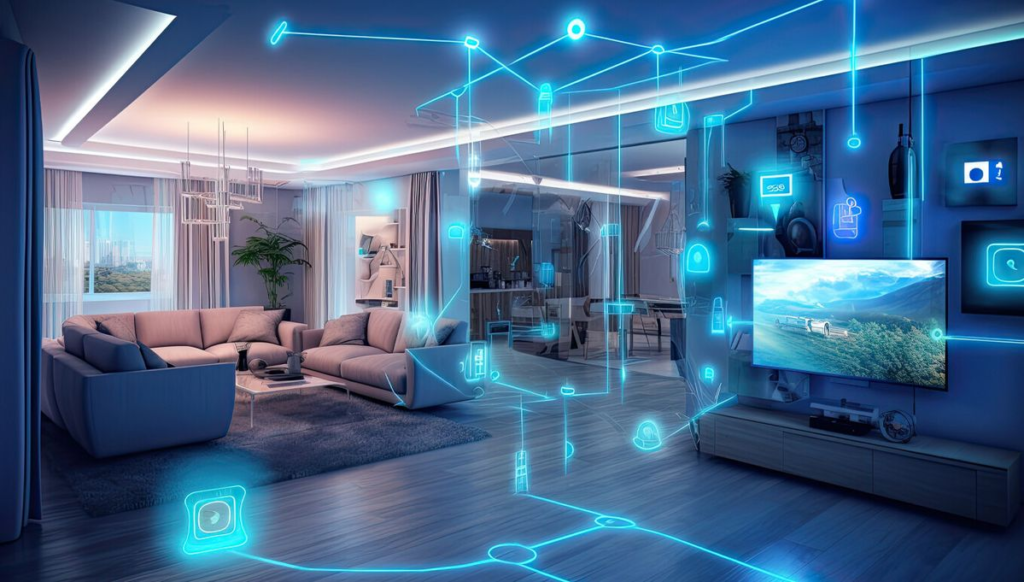
One of the most noticeable changes in everyday life is the rise of smart living. Homes are no longer just physical spaces; they are becoming intelligent environments that respond to our needs. From voice-controlled assistants to automated lighting and temperature systems, technology is making homes more responsive and convenient.
Imagine waking up to curtains that open automatically, coffee that starts brewing on its own, and a home that adjusts its temperature based on your preferences. These small conveniences save time and reduce effort, allowing people to focus on more important aspects of their day. Over time, smart homes are expected to become even more intuitive, learning from user behavior and adapting seamlessly to individual lifestyles.
The Shift Toward Remote and Flexible Work
The traditional idea of working from a fixed office is gradually evolving. Remote work and flexible schedules are becoming more common, giving people the freedom to work from anywhere. This shift is not just about convenience; it is about creating a better balance between professional and personal life.
With digital tools and communication platforms improving rapidly, teams can collaborate effectively without being in the same physical space. This flexibility allows individuals to design their work routines around their peak productivity hours, leading to better performance and reduced stress.
At the same time, this trend is reshaping cities and communities. People are no longer tied to specific locations for work, which opens up opportunities to live in more affordable or peaceful environments while staying connected to global opportunities.
Personalized Health and Wellness

Healthcare is becoming more personalized and proactive. Instead of reacting to illnesses, people are now focusing on prevention and overall well-being. Wearable devices and health apps are helping individuals track their physical activity, sleep patterns, and even stress levels.
This data-driven approach allows people to make informed decisions about their health. Small changes, such as improving sleep quality or staying active, can have a significant impact over time. In the future, healthcare is expected to become even more tailored, with treatments and recommendations designed specifically for each individual.
Mental health is also gaining more attention, with increasing awareness about the importance of emotional well-being. Practices like mindfulness, meditation, and digital detox are becoming essential parts of daily routines.
The Growth of Artificial Intelligence in Daily Tasks
Artificial intelligence is no longer limited to complex systems or large industries. It is becoming a part of everyday life, helping people complete tasks more efficiently. From personalized recommendations on streaming platforms to smart assistants that manage schedules, AI is simplifying routine activities.
One of the most powerful aspects of AI is its ability to learn and adapt. It can analyze patterns, predict needs, and provide solutions that save time and effort. For example, AI-powered tools can help with writing, planning, and even decision-making, making everyday tasks smoother and faster.
As AI continues to evolve, its role in daily life will become even more integrated, supporting people in ways that feel natural and intuitive.
Sustainable Living and Conscious Choices

As awareness about environmental issues grows, people are becoming more conscious of their choices. Sustainable living is no longer just a trend; it is becoming a necessity. From reducing waste to choosing eco-friendly products, individuals are taking small steps that collectively make a big difference.
Businesses are also adapting to this shift by offering sustainable alternatives and adopting greener practices. Renewable energy, electric vehicles, and environmentally friendly packaging are becoming more common.
This focus on sustainability is not just about protecting the planet; it is about creating a healthier and more balanced way of living. By making mindful choices, people can contribute to a better future while improving their own quality of life.
The Evolution of Digital Learning
Education is undergoing a major transformation. Traditional methods are being complemented by digital platforms that make learning more accessible and flexible. Online courses, virtual classrooms, and interactive tools are allowing people to learn at their own pace.
This shift is especially important in a world where skills need to be updated continuously. Digital learning makes it easier for individuals to explore new interests, develop expertise, and stay relevant in a changing job market.
The future of education is not just about acquiring knowledge; it is about fostering curiosity, creativity, and adaptability. Learning is becoming a lifelong journey rather than a one-time phase.
The Impact of Faster and Smarter Transportation
Transportation is becoming faster, smarter, and more efficient. From ride-sharing services to electric vehicles, the way people move from one place to another is changing rapidly. These advancements are not only improving convenience but also reducing environmental impact.
Smart traffic systems and navigation tools are helping people avoid congestion and save time. In the future, innovations like autonomous vehicles and advanced public transport systems could further transform daily commuting.
These changes are making travel more predictable and less stressful, allowing people to use their time more effectively.
The Influence of Social and Digital Connectivity
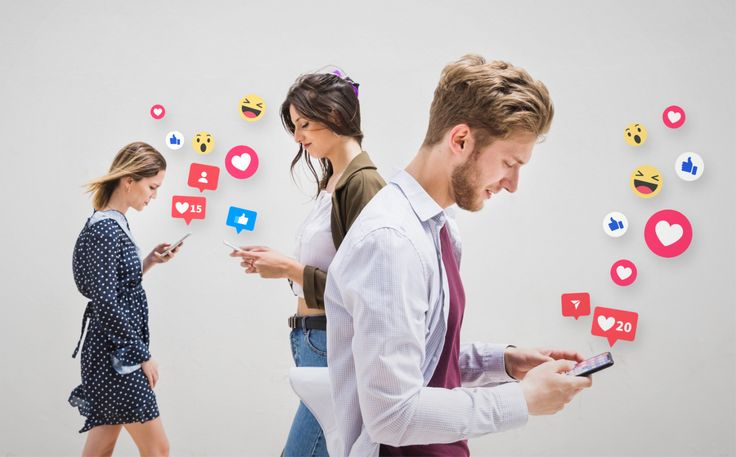
The way people connect and communicate has evolved significantly. Social media, messaging apps, and video calls have made it possible to stay connected with anyone, anywhere. This level of connectivity has changed how relationships are formed and maintained.
While digital communication offers convenience, it also highlights the importance of meaningful interactions. People are becoming more aware of the need to balance online and offline connections, ensuring that technology enhances rather than replaces real-life relationships.
The future of connectivity lies in creating deeper, more authentic experiences while maintaining the ease of digital communication.
Adapting to a Rapidly Changing World
One of the most important trends shaping everyday life is the need for adaptability. Change is happening faster than ever, and the ability to adjust is becoming a valuable skill. Whether it is learning new technologies, adopting new habits, or exploring new opportunities, flexibility is key.
Instead of resisting change, embracing it can lead to growth and new possibilities. The future is full of opportunities for those who are willing to learn and evolve.
By staying open-minded and curious, individuals can navigate this dynamic environment with confidence and ease.
FAQs
1.What are future trends and why are they important ?
Future trends are emerging patterns and developments that shape how people live and interact with the world. They are important because they influence daily routines, opportunities, and overall quality of life.
2.How do future trends affect everyday life ?
Future trends impact everything from how we work and communicate to how we manage our health and environment. They make life more efficient, connected, and convenient.
3.Is technology the main driver of future trends ?
Technology plays a major role, but social, environmental, and cultural changes also contribute to shaping future trends. It is the combination of these factors that drives transformation.
4.How can I prepare for future trends ?
Staying informed, being open to learning, and adapting to new changes are key ways to prepare. Developing flexible skills and maintaining a positive mindset can also help.
5.Are future trends beneficial for everyone ?
While many trends bring benefits, their impact can vary depending on access and awareness. It is important to ensure that advancements are inclusive and accessible to all.
- Best Timer Games 2026: Ultimate Speed Challenges to Try

- Mario Kart World 2026: Everything You Need to Know About the New Racing Game

- iPhone 18 Pro 2026 Guide: New Features, Design, Camera & Performance

- Smart Home Technology 2026: New Trends, Gadgets & Ideas

- Future Shopping Trends: Smart Ways to Save Money

- Lili Estefan 2026: Everything You Need to Know