
In a world that rarely slows down, the idea of mindful living can feel both comforting and confusing at the same time. We are constantly surrounded by notifications, responsibilities, and expectations that pull our attention in different directions. It becomes easy to move through the day on autopilot, barely noticing what we are doing or how we are feeling. This is where the practice of Mindfulness comes in, offering a simple yet powerful way to reconnect with the present moment.
Mindful living is not about escaping reality or becoming perfectly calm all the time. It is about becoming more aware of your thoughts, emotions, and surroundings without judgment. For beginners, the idea may seem overwhelming, but the truth is that mindful living starts with small, simple steps that can easily fit into everyday life.
Understanding What Mindful Living Really Means

At its core, mindful living is about paying attention. It is about being fully present in whatever you are doing, whether it is eating a meal, having a conversation, or even just taking a breath. Instead of rushing through experiences, you begin to notice them more deeply.
Many people think mindfulness requires hours of meditation or complete silence, but that is not necessarily true. While practices like Meditation can be helpful, mindful living goes beyond formal exercises. It is a way of approaching life with awareness and intention.
When you start living mindfully, you may notice small details that you previously overlooked. The taste of your food becomes richer, conversations feel more meaningful, and even simple moments like walking outside can feel more enjoyable.
Why Mindful Living Matters in Today’s World
Modern life often encourages multitasking and constant productivity. While these habits can be useful, they can also lead to stress, anxiety, and a sense of disconnection. Mindful living offers a way to slow down and find balance.
Research in the field of Psychology shows that practicing mindfulness can improve mental well-being, reduce stress, and enhance focus. It helps you respond to situations more calmly instead of reacting impulsively.
For beginners, the benefits can be felt quite quickly. Even a few minutes of mindful awareness each day can create a noticeable difference in how you feel and think. Over time, these small changes can lead to a more peaceful and fulfilling life.
Starting Small: The First Step Toward Mindfulness
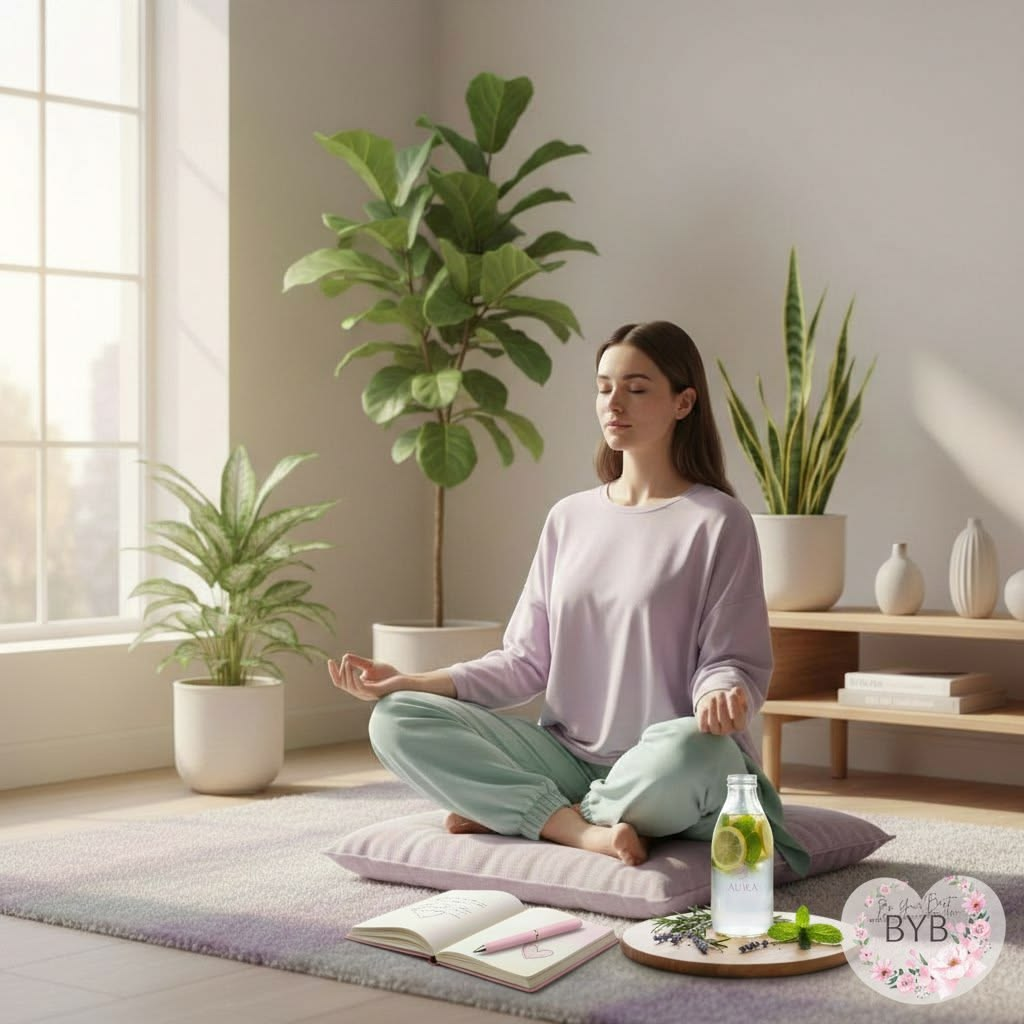

One of the biggest mistakes beginners make is trying to do too much too quickly. Mindful living is not about perfection; it is about consistency. Starting small is the key.
You can begin by simply paying attention to your breath. Take a moment to notice how it feels as you inhale and exhale. There is no need to change anything. Just observe. This simple practice can anchor you in the present moment and bring a sense of calm.
Another easy way to start is by choosing one daily activity and doing it mindfully. It could be drinking tea, brushing your teeth, or walking. Focus on the sensations, movements, and experience without distraction. Over time, this awareness will naturally expand to other parts of your life.
The Role of Breath in Mindful Living
Breathing is something we do constantly, yet we rarely pay attention to it. In mindful living, the breath becomes a powerful tool for grounding and awareness.
When you feel stressed or overwhelmed, bringing your attention to your breath can help you regain control. Slow, deep breaths signal your body to relax and can reduce feelings of anxiety.
You do not need a special place or time to practice this. You can focus on your breath while sitting at your desk, waiting in line, or lying in bed. It is always available to you, making it one of the simplest ways to practice mindfulness.
Letting Go of Overthinking

One of the challenges beginners face is dealing with a busy mind. Thoughts come and go constantly, and it can feel difficult to stay present. Mindful living does not require you to stop thinking. Instead, it teaches you to observe your thoughts without getting caught up in them.
Imagine your thoughts as clouds passing through the sky. You can notice them without holding onto them. This shift in perspective can reduce stress and help you feel more at ease.
Over time, you may find that your mind becomes calmer naturally. The goal is not to control your thoughts but to change your relationship with them.
Bringing Mindfulness Into Daily Activities
Mindful living becomes truly powerful when it is integrated into everyday life. You do not need to set aside large amounts of time to practice. Instead, you can bring awareness into the activities you already do.
When eating, pay attention to the taste, texture, and aroma of your food. When walking, notice the movement of your body and the environment around you. When talking to someone, listen fully without thinking about what you will say next.
These small shifts can transform ordinary moments into meaningful experiences. Life becomes less rushed and more intentional.
The Connection Between Mindfulness and Emotional Well-Being
Mindful living has a strong impact on emotional health. By becoming more aware of your feelings, you can understand them better and respond in healthier ways.
Instead of suppressing emotions or reacting impulsively, mindfulness allows you to pause and reflect. This can improve relationships, reduce conflicts, and create a greater sense of inner peace.

It also helps you develop self-compassion. You begin to treat yourself with the same kindness and understanding that you would offer to others.
Building a Consistent Practice
Consistency is more important than intensity when it comes to mindful living. It is better to practice for a few minutes every day than to do long sessions occasionally.
Creating a routine can help. You might choose to practice mindfulness in the morning to start your day with clarity or in the evening to relax before sleep. The key is to find what works for you and stick with it.
Over time, mindfulness becomes less of a practice and more of a natural way of being. You begin to notice its presence in your thoughts, actions, and interactions.
Overcoming Common Challenges
It is normal to face challenges when starting mindful living. You might feel distracted, impatient, or unsure if you are doing it correctly. These experiences are part of the process.
Instead of judging yourself, approach these challenges with curiosity. Notice what is happening and gently bring your attention back to the present moment.
Remember that there is no perfect way to practice mindfulness. Each person’s journey is unique, and progress happens gradually.
The Long-Term Impact of Mindful Living

As you continue practicing mindful living, you may notice deeper changes over time. Stress becomes easier to manage, focus improves, and relationships become more meaningful.
You may also develop a greater appreciation for life’s simple moments. Things that once felt ordinary can become sources of joy and gratitude.
Mindful living is not a quick fix but a lifelong journey. It evolves with you, adapting to different stages of life and experiences.
Creating a More Balanced Life
Incorporating mindfulness into your daily routine can help create a sense of balance. It allows you to step back from the constant demands of life and reconnect with what truly matters.
This balance is not about avoiding challenges but about facing them with clarity and calmness. It helps you make better decisions and respond to situations with greater awareness.
As you continue on this path, you may find that mindful living becomes a foundation for a more fulfilling and meaningful life.
FAQs
1.What is mindful living?
Mindful living is the practice of being fully present and aware in your daily life. It involves paying attention to your thoughts, feelings, and surroundings without judgment.
2.Do I need to meditate to practice mindfulness?
While Meditation can be helpful, it is not required. Mindful living can be practiced through everyday activities like eating, walking, or breathing.
3.How long does it take to see results?
Many people notice benefits within a few days or weeks of consistent practice. However, the long-term impact grows over time.
4.Can mindful living reduce stress?
Yes, mindfulness is known to reduce stress by helping you stay present and respond calmly to situations.
5.Is mindful living suitable for everyone?
Mindful living is simple and adaptable, making it suitable for people of all ages and lifestyles.