
Few natural phenomena on Earth inspire as much wonder and excitement as the Northern Lights. Also known as the Aurora Borealis, these mesmerizing displays of dancing colors have fascinated travelers, scientists, and dreamers for centuries. Watching ribbons of green, purple, pink, and blue light move across a dark Arctic sky feels almost magical, creating memories that last a lifetime.
As travel continues to evolve in 2026, more people than ever are planning dedicated Northern Lights adventures. Improved forecasting technology, growing interest in nature-based tourism, and increased accessibility to Arctic destinations have made it easier to experience this breathtaking phenomenon. However, seeing the Northern Lights still requires careful planning, the right timing, and a bit of patience.
This comprehensive guide will help you understand everything you need to know about seeing the Northern Lights in 2026, from the science behind the aurora to the best destinations, travel tips, photography advice, and common mistakes to avoid.
What Are the Northern Lights?
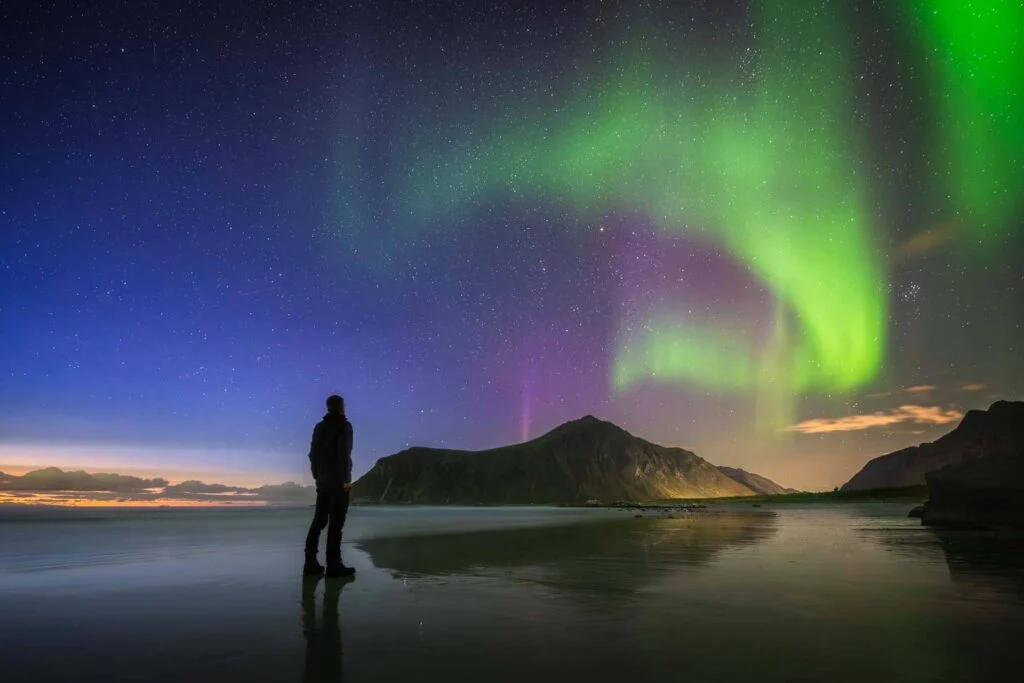
The Northern Lights occur when charged particles from the sun collide with gases in Earth’s atmosphere. These particles travel millions of miles through space before interacting with oxygen and nitrogen molecules high above the planet.
When these collisions happen, energy is released in the form of colorful light. Oxygen typically produces green and red auroras, while nitrogen creates shades of blue and purple. The result is a spectacular light show that appears to dance across the sky.
Although the scientific explanation is fascinating, witnessing the aurora in person often feels far beyond science. Standing beneath a sky filled with moving waves of color creates an emotional experience that many travelers describe as life-changing.
Why 2026 Is an Excellent Year to See the Northern Lights
Astronomers and aurora enthusiasts are particularly excited about 2026 because solar activity remains relatively strong following the recent solar maximum period. Increased solar activity often leads to more frequent and intense aurora displays.
This means travelers may have better opportunities to witness vibrant Northern Lights shows compared to periods of lower solar activity. While nature never guarantees perfect conditions, 2026 continues to offer promising aurora viewing potential.
In addition, many Arctic tourism destinations have expanded their infrastructure, making it easier for visitors to access remote viewing locations while enjoying comfortable accommodations and guided experiences.
Best Countries to See the Northern Lights in 2026
Iceland
Iceland remains one of the world’s most popular Northern Lights destinations. The country’s dramatic landscapes provide an incredible backdrop for aurora viewing. Imagine watching green lights dance above volcanic mountains, frozen waterfalls, black sand beaches, and glaciers.
The best viewing season generally runs from September through April. Iceland also offers excellent road networks and numerous guided tours, making it accessible even for first-time aurora hunters.
One of Iceland’s greatest advantages is the variety of experiences available. Travelers can combine Northern Lights viewing with geothermal spas, glacier hikes, whale watching, and visits to stunning natural attractions.
Norway
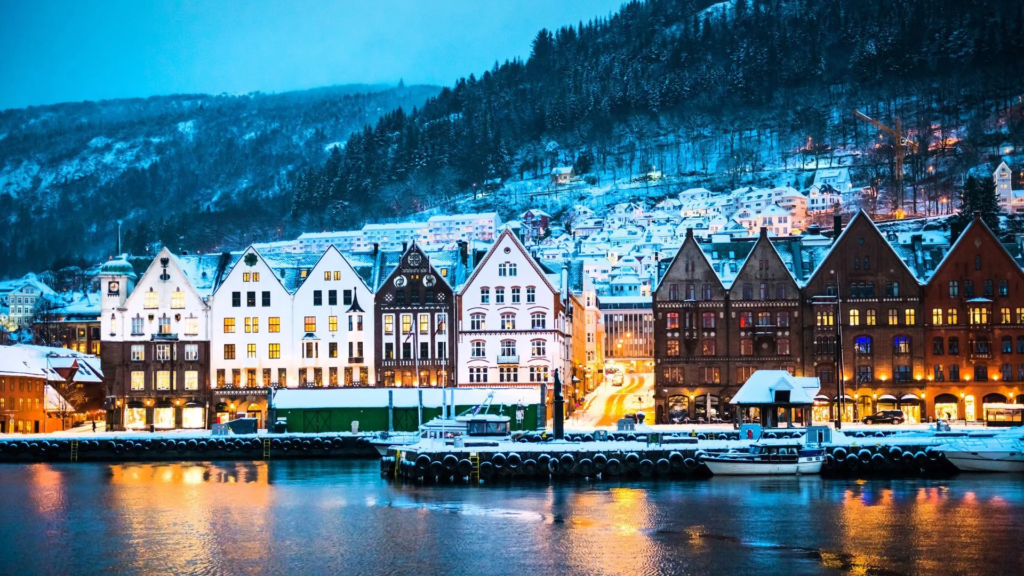
Norway consistently ranks among the best places on Earth to see the Northern Lights. Northern cities such as Tromsø are located directly beneath the auroral oval, an area where aurora activity is particularly common.
The combination of fjords, snow-covered mountains, and coastal scenery creates unforgettable viewing opportunities. Many visitors choose Norway because it offers both reliable aurora sightings and exceptional winter experiences.
Dog sledding, reindeer encounters, Sami cultural experiences, and Arctic cruises can all be combined with Northern Lights adventures.
Finland
Finland offers a quieter and more peaceful aurora experience. The Finnish Lapland region is famous for its pristine wilderness and cozy accommodations.
Glass igloos have become especially popular among visitors who want to watch the Northern Lights from the comfort of a warm bed. These unique accommodations provide panoramic views of the sky while protecting guests from harsh winter temperatures.
The combination of snowy forests, frozen lakes, and traditional Finnish hospitality makes Lapland an unforgettable destination.
Sweden
Sweden’s northern regions provide excellent opportunities for aurora viewing. Areas around Kiruna and Abisko are particularly famous due to their favorable weather conditions.
Abisko National Park is often considered one of the most reliable locations in Europe for seeing the Northern Lights. The region’s unique microclimate frequently produces clear skies even when nearby areas experience cloud cover.
For travelers seeking fewer crowds and stunning natural beauty, Sweden offers an excellent alternative to more heavily visited destinations.
Canada
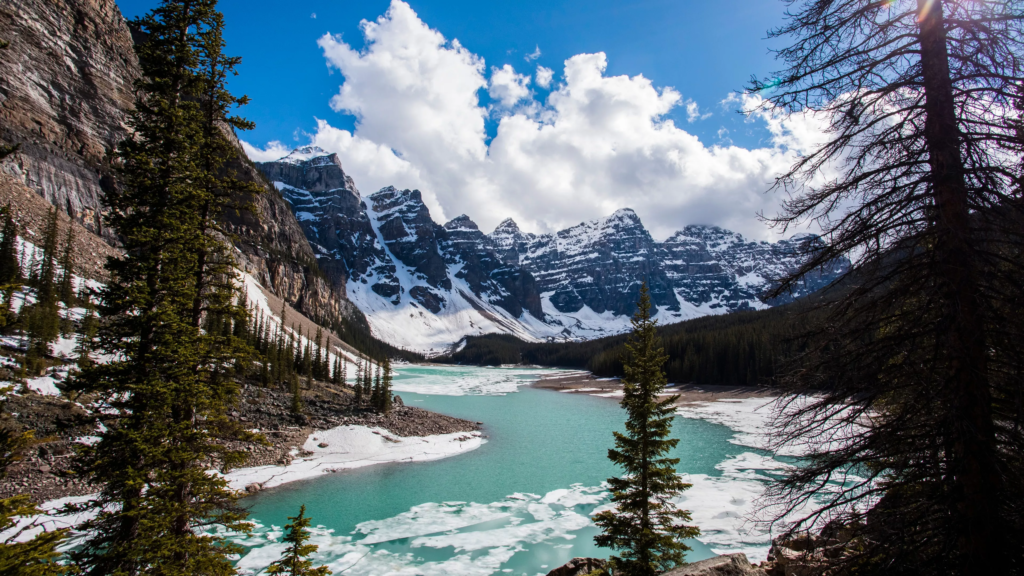
Canada’s vast northern territories provide some of the most spectacular aurora displays in the world. Regions such as Yukon, Northwest Territories, and parts of Alberta regularly experience intense Northern Lights activity.
Because these areas have large stretches of undeveloped wilderness and very little light pollution, visitors often enjoy exceptionally clear views of the aurora.
Canadian aurora adventures frequently include wildlife encounters, snowmobiling, ice fishing, and other outdoor experiences that showcase the country’s rugged beauty.
Alaska
Alaska continues to attract travelers seeking a classic Northern Lights adventure. Fairbanks is one of the most famous aurora destinations globally due to its location and relatively stable weather patterns.
Many visitors appreciate Alaska because it combines accessibility with authentic Arctic scenery. Northern Lights viewing can easily be paired with visits to national parks, hot springs, and cultural attractions.
When Is the Best Time to See the Northern Lights?
The Northern Lights are generally visible between late August and early April, with peak viewing opportunities occurring during the darkest months.
Winter provides the longest periods of darkness, increasing the chances of spotting auroras. However, colder temperatures and unpredictable weather can sometimes present challenges.
September and October are often considered excellent months because they offer relatively mild temperatures while still providing sufficient darkness. Snow has not yet reached its peak, making travel somewhat easier.
March is another highly recommended month. Days become slightly longer, temperatures are often more comfortable, and aurora activity remains strong.
Ultimately, the best time depends on your personal travel preferences, budget, and tolerance for winter conditions.
Understanding Aurora Forecasts
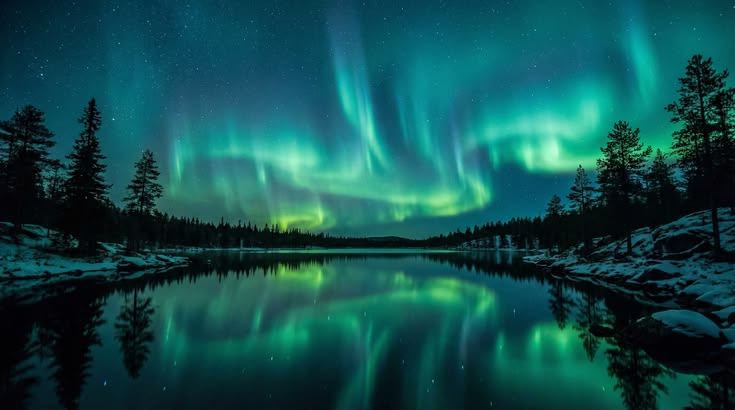
One of the most useful tools for Northern Lights travelers is the aurora forecast. Modern forecasting systems monitor solar activity and estimate the likelihood of visible auroras.
The KP Index is commonly used to measure geomagnetic activity. Higher KP values generally indicate stronger aurora displays and increased visibility at lower latitudes.
Checking forecasts before heading out can significantly improve your chances of success. However, forecasts are not guarantees. Weather conditions, cloud cover, and local lighting all play important roles in determining whether the aurora will actually be visible.
Successful aurora hunters combine forecast information with flexibility and patience.
How to Increase Your Chances of Seeing the Northern Lights
Many travelers arrive in the Arctic expecting instant success, only to discover that aurora viewing requires persistence.
The most important factor is spending multiple nights in a Northern Lights destination. A longer stay dramatically improves your chances of experiencing favorable conditions.
Choosing locations with minimal light pollution also makes a significant difference. City lights can reduce visibility and diminish the intensity of the aurora.
Monitoring weather forecasts is equally important. Even strong aurora activity cannot be seen through heavy cloud cover.
Patience remains one of the most valuable qualities. Sometimes the sky appears quiet for hours before suddenly erupting into a spectacular display.
What to Wear During a Northern Lights Adventure
Arctic temperatures can be extremely cold, especially when standing outdoors for extended periods.
Layering is essential. Thermal base layers help retain body heat, while insulated middle layers provide additional warmth. A windproof and waterproof outer layer protects against harsh weather conditions.
Warm gloves, insulated boots, thick socks, and a quality winter hat are equally important. Many first-time visitors underestimate how quickly cold temperatures can become uncomfortable.
Dressing properly allows you to focus on enjoying the experience rather than worrying about the weather.
Photography Tips for Capturing the Aurora
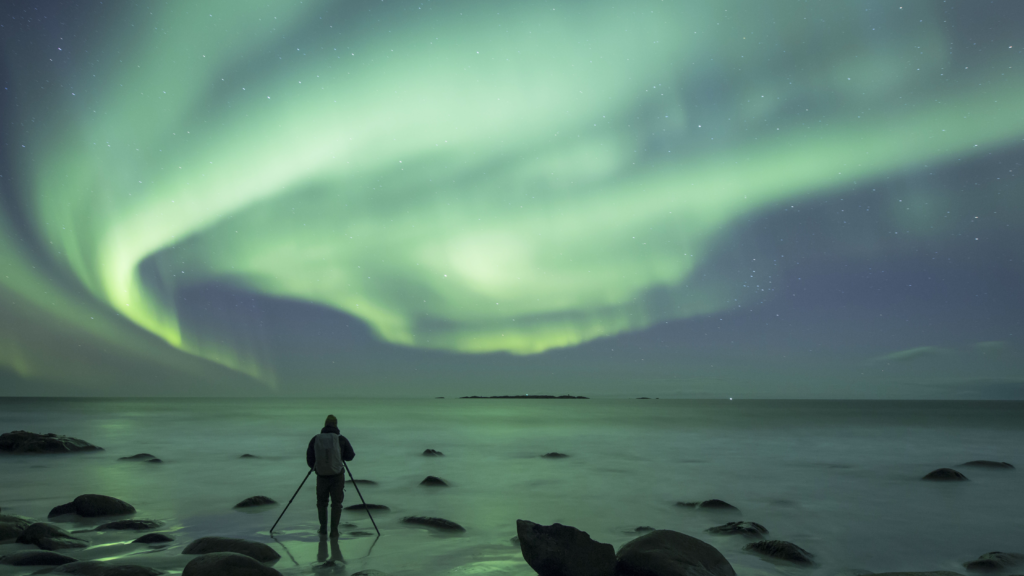
Photographing the Northern Lights can be incredibly rewarding. Modern cameras and smartphones have made aurora photography more accessible than ever before.
A sturdy tripod is one of the most important tools because aurora photography often requires longer exposure times. Keeping the camera stable helps capture sharp images.
Using manual settings allows greater control over exposure and focus. Lower ISO settings reduce image noise, while experimenting with shutter speeds can help capture different styles of aurora movement.
Including landscape features such as mountains, lakes, trees, or cabins adds depth and context to photographs.
Most importantly, remember to spend time enjoying the experience with your own eyes rather than viewing everything through a camera screen.
Common Mistakes Travelers Make
Many visitors make the mistake of booking a very short trip. Since weather conditions can change rapidly, staying only one or two nights limits opportunities for success.
Another common error is relying entirely on forecasts. While forecasts are useful, unexpected aurora displays can occur even when predictions seem modest.
Some travelers underestimate the cold and fail to bring appropriate clothing. Others stay close to urban areas where artificial light reduces visibility.
Perhaps the biggest mistake is expecting the sky to look exactly like edited photographs seen online. Professional images often use long exposures and post-processing techniques. The real aurora is still stunning, but expectations should remain realistic.
The Emotional Impact of Seeing the Northern Lights
The Northern Lights are more than just a travel attraction. For many people, witnessing the aurora becomes one of the most meaningful moments of their lives.
There is something deeply humbling about standing beneath a sky alive with color and motion. The experience reminds us of the vastness of the universe and our connection to the natural world.
Many travelers describe feeling peaceful, inspired, and grateful after seeing the Northern Lights. Some even return multiple times because no two aurora displays are ever exactly the same.
The beauty of the aurora lies not only in its appearance but also in the sense of wonder it creates.
- Best Timer Games 2026: Ultimate Speed Challenges to Try

- Mario Kart World 2026: Everything You Need to Know About the New Racing Game

- iPhone 18 Pro 2026 Guide: New Features, Design, Camera & Performance

- Smart Home Technology 2026: New Trends, Gadgets & Ideas

- Future Shopping Trends: Smart Ways to Save Money

- Lili Estefan 2026: Everything You Need to Know

Frequently Asked Questions
1.Can I see the Northern Lights with the naked eye?
Yes, the Northern Lights are visible with the naked eye. However, their brightness and colors vary depending on aurora strength and viewing conditions.
2.What month is best for seeing the Northern Lights in 2026?
March, September, and October are often considered some of the best months because they combine strong viewing opportunities with relatively comfortable weather conditions.
3.How many nights should I stay to improve my chances?
Most experts recommend spending at least three to five nights in a Northern Lights destination to maximize your chances of experiencing favorable conditions.
4.Are the Northern Lights visible every night?
No. Visibility depends on solar activity, weather conditions, cloud cover, and darkness levels.
5.Which country is best for first-time Northern Lights travelers?
Iceland is often recommended for first-time visitors because of its accessibility, tourism infrastructure, and variety of attractions beyond aurora viewing.