
Life in 2026 is faster, more connected, and full of opportunities, but it can also feel overwhelming. People are balancing work, family, health, finances, technology, and personal goals all at the same time. Many individuals are searching for ways to simplify their routines and reduce daily stress without sacrificing progress or comfort. The good news is that making life easier does not always require major changes. Often, practical systems, smarter habits, and better choices create the biggest results.
The modern world offers tools that can save time, improve health, and help people stay organized. At the same time, too many choices and constant distractions can make life feel complicated. That is why guides for easier living are more valuable than ever. They help people focus on what matters and remove unnecessary friction from everyday life.
This complete guide explores realistic ways to make life easier in 2026 through smarter routines, mindful technology use, financial habits, health practices, and balanced living.
Why Simplicity Matters More Than Ever

Many people assume success means doing more, owning more, and staying busy every minute. In reality, constant busyness often leads to stress, fatigue, and confusion. Simplicity is becoming one of the most valuable modern skills because it helps people protect time, energy, and peace of mind.
When life is simpler, decisions become easier. Stress reduces. Important goals receive more attention. Relationships improve because people become more present. Even productivity often increases because focus is stronger.
In 2026, the smartest approach is not always adding more. It is learning what to remove, automate, organize, or ignore.
Build a Morning Routine That Supports You
How you begin the day often influences everything that follows. Many stressful days start with rushing, checking notifications immediately, or reacting to problems before feeling mentally ready.
A calmer morning routine can change your entire experience. Waking at a consistent time, drinking water, moving your body, and taking a few minutes to plan the day can create clarity and energy. Some people enjoy reading, stretching, journaling, prayer, or simply sitting quietly before work begins.
The best routine is not the most complicated one. It is the one you can follow consistently and that helps you feel prepared.
Use Technology as a Tool, Not a Distraction
Technology in 2026 is more powerful than ever. Apps can organize schedules, remind you about tasks, track health goals, automate payments, and simplify communication. Used wisely, technology makes life easier.
However, constant notifications, endless scrolling, and digital overload can create the opposite effect. Many people feel mentally tired because they are always connected.
Create boundaries with technology. Turn off unnecessary alerts. Schedule screen-free time. Use productivity tools intentionally rather than reactively. Keep apps that support your life and remove those that mainly drain attention.
When technology serves your goals instead of controlling your focus, daily life becomes smoother.
Simplify Your Home Environment

Your surroundings affect mood, stress, and productivity more than many people realize. A cluttered home often creates mental pressure, while a clean and functional space supports calmness.
Making life easier in 2026 includes designing spaces that reduce effort. Keep commonly used items accessible. Donate or remove things you no longer need. Create simple systems for laundry, cleaning, and storage. Maintain small daily resets instead of waiting for huge cleaning days.
A peaceful home environment often creates a more peaceful mind.
Plan Meals to Reduce Daily Stress
One hidden source of daily stress is deciding what to eat multiple times every day. Last-minute food decisions can waste time, money, and energy.
Meal planning remains one of the most effective life-simplifying habits. Preparing ingredients in advance, repeating favorite healthy meals, or planning weekly menus can reduce pressure significantly. Even simple preparation like cutting vegetables or packing lunch the night before saves time.
In 2026, convenience matters, but health still matters more. Smart meal systems support both.
Protect Your Energy, Not Just Your Time
Many people focus only on time management, but energy management is equally important. Two free hours while exhausted are less useful than one focused hour with strong energy.
Pay attention to what increases or drains your energy. Sleep quality, hydration, movement, nutrition, stress levels, and emotional boundaries all matter. Some conversations energize you while others exhaust you. Some tasks are best done early when focus is strongest.
Arrange your important work during peak energy times whenever possible. Rest without guilt when needed. Protecting energy makes everything else easier.
Manage Money with Simplicity

Financial stress is one of the biggest pressures in modern life. Creating simple money systems can bring long-term relief.
Track spending honestly. Build a realistic monthly budget. Automate savings when possible. Reduce unnecessary subscriptions and impulsive purchases. Keep emergency savings as a priority, even if contributions begin small.
Making life easier is not always about earning more immediately. Often it begins with managing what already comes in more wisely.
In 2026, digital banking tools make budgeting easier than before, but discipline still matters most.
Learn to Say No Without Guilt
Many people feel overwhelmed because they say yes too often. They accept commitments, social plans, extra work, or responsibilities that do not align with their priorities.
Learning to say no respectfully is a life-changing skill. It protects time, energy, and emotional balance. Saying no to something unnecessary often means saying yes to health, focus, family, or peace.
You do not need to explain every boundary in detail. Clear and kind communication is enough.
Build Better Work Habits
Work can become stressful when tasks feel endless and unstructured. Smarter work habits can make professional life easier.
Start by identifying the three most important tasks each day. Complete focused work before checking less important messages. Group similar tasks together. Use calendars and deadlines clearly. Take short breaks to maintain concentration.
If you work remotely, create separation between work and personal life whenever possible. A defined workspace and clear ending time can reduce burnout.
Productivity is not about constant activity. It is about meaningful progress.
Prioritize Real Relationships


Modern convenience can sometimes reduce human connection. Yet relationships remain one of the strongest contributors to happiness and resilience.
Making life easier in 2026 also means investing in people who matter. Spend quality time with family and friends. Have conversations without distractions. Ask for help when needed. Offer support when others need it.
Strong relationships make stressful seasons easier to manage and joyful moments more meaningful.
Continue Learning in Practical Ways
The world changes quickly, and learning no longer ends after school or college. New tools, career paths, and opportunities appear regularly.
Continuous learning can make life easier because it increases confidence and adaptability. This does not always require formal education. Podcasts, books, online courses, and practical experience can all help.
Learning how to use digital tools, improve communication, or manage money can create immediate life benefits.
Make Health a Daily Priority
Good health supports everything else. Without physical and mental well-being, even simple tasks can feel difficult.
Focus on basics that consistently matter. Sleep enough. Move regularly. Eat nourishing foods most of the time. Manage stress through rest, prayer, meditation, walking, or hobbies. Seek professional support when needed.
Health routines do not need to be extreme. Sustainable habits usually create the best long-term results.
Reduce Decision Fatigue
Modern life requires many decisions each day, and too many choices can feel draining. Simplify repeated decisions where possible.
Wear simple outfit combinations. Rotate regular breakfasts. Use recurring calendar reminders. Automate bills. Create routines for cleaning or exercise.
Saving mental energy on small decisions gives you more focus for important ones.
Accept That Balance Changes by Season
Many people chase perfect balance every day, but real life changes. Some weeks require more work. Some seasons require more rest. Family needs, health priorities, or career goals may shift over time.
Instead of expecting perfect balance daily, aim for awareness and adjustment. Ask what matters most right now and respond accordingly.
Flexibility often makes life easier than rigid expectations.
The Power of Small Daily Systems
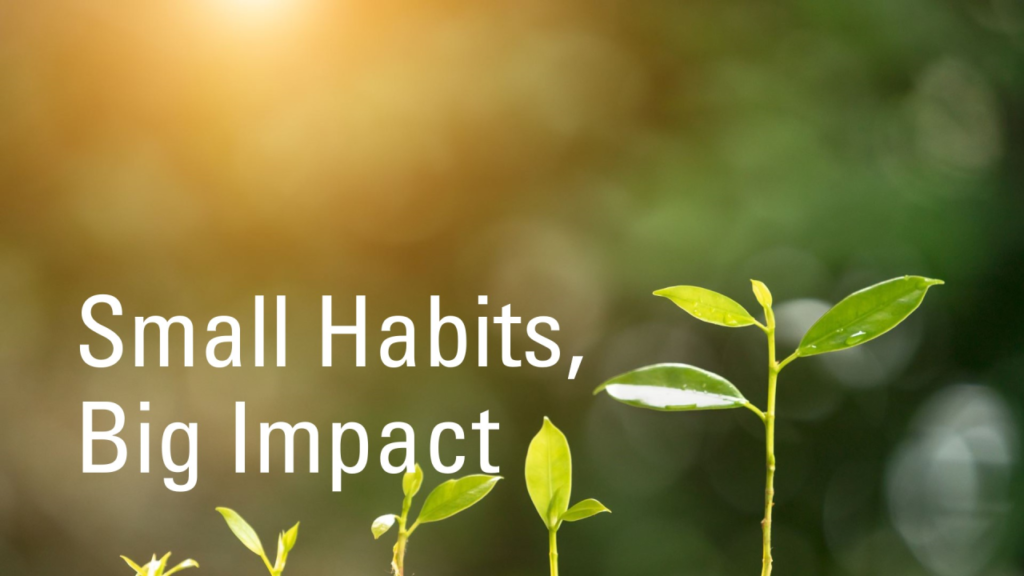
Big transformations are often created by small repeated systems. Five minutes of planning can save an hour later. Ten minutes of cleaning prevents weekend stress. Walking daily improves energy. Saving small amounts builds financial confidence.
Life becomes easier when good habits happen automatically.
You do not need to change everything at once. Choose one problem area and build one useful system around it. Once that becomes natural, move to the next.
Looking Ahead to a Simpler Future
The future does not have to feel overwhelming. 2026 offers many tools, opportunities, and smarter ways to live, but peace still comes from simple principles. Protect your time. Guard your energy. Use technology wisely. Keep routines realistic. Focus on relationships and health. Spend intentionally. Learn continuously.
Life becomes easier not when everything is perfect, but when your habits support you instead of working against you.
Small thoughtful changes today can create a calmer, healthier, and more enjoyable life tomorrow.
FAQs
1.How can I make life easier in 2026?
Use simple routines, organize your environment, manage technology wisely, plan meals, protect energy, and focus on priorities.
2.Why does life feel more stressful now?
Modern life includes constant information, many choices, digital distractions, financial pressure, and busy schedules, which can increase stress.
3.What is the easiest habit to start with?
Preparing for the next day each evening is one of the easiest habits because it reduces morning stress and saves time.
4.How can technology help daily life?
Technology can help with scheduling, budgeting, reminders, communication, learning, and productivity when used intentionally.
5.Is work-life balance possible in 2026?
Yes, but it often requires boundaries, flexibility, and realistic expectations rather than trying to make every day perfectly balanced.
- Best Timer Games 2026: Ultimate Speed Challenges to Try

- Mario Kart World 2026: Everything You Need to Know About the New Racing Game

- iPhone 18 Pro 2026 Guide: New Features, Design, Camera & Performance

- Smart Home Technology 2026: New Trends, Gadgets & Ideas

- Future Shopping Trends: Smart Ways to Save Money

- Lili Estefan 2026: Everything You Need to Know