
The world is changing faster than ever before, and by 2030 everyday life could look completely different from what we know today. Technology, lifestyle habits, environmental concerns, healthcare innovations, and digital transformation are already reshaping how people work, communicate, travel, shop, and even relax at home. What once seemed futuristic is slowly becoming part of normal life. From artificial intelligence helping with daily tasks to smart cities improving urban living, the next few years are expected to bring major changes that will impact people across the globe.
As society moves toward a more connected and technology-driven future, individuals and businesses are preparing for trends that could redefine modern living. While some changes may feel exciting, others may challenge people to adapt to new ways of thinking and working. One thing is clear: the future is no longer something distant. It is already beginning to take shape.
Artificial Intelligence Becoming Part of Everyday Life
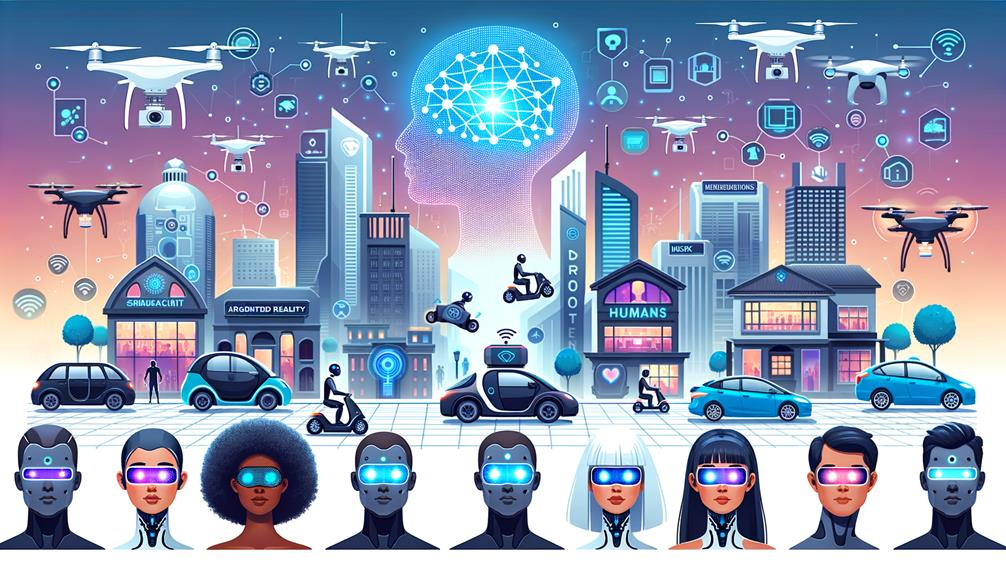
Artificial intelligence is expected to become one of the biggest influences on everyday life by 2030. AI is already visible in virtual assistants, recommendation systems, customer service chatbots, and smart devices, but its role will become much larger in the coming years. Many routine tasks may soon be automated, helping people save time and improve productivity.
Homes could become smarter with AI-powered systems that learn personal habits and preferences. Refrigerators may automatically order groceries, virtual assistants may manage schedules more effectively, and smart devices could control lighting, security, and energy use without manual input. AI may also become more personalized in healthcare by helping doctors identify diseases earlier and create customized treatment plans.
In workplaces, AI tools are likely to handle repetitive tasks, allowing employees to focus more on creativity, strategy, and problem-solving. Education may also change as AI-powered learning platforms provide customized lessons for students based on their strengths and weaknesses. Instead of replacing human involvement completely, artificial intelligence will probably work alongside people to make everyday tasks easier and faster.
Remote Work and Digital Careers Expanding Rapidly
The traditional office environment has already started changing, and by 2030 remote and hybrid work models may become the standard for millions of people. Technology has made it possible for teams to collaborate from different parts of the world, and businesses are increasingly embracing flexible work environments.
Many professionals are expected to build careers entirely online. Freelancing, content creation, digital marketing, online teaching, software development, and virtual consulting are likely to grow even more. People may prioritize flexibility and work-life balance over traditional office routines.
Digital nomad lifestyles could also become more common as workers combine travel with remote employment. This shift may influence cities and housing markets as more people choose locations based on lifestyle preferences instead of proximity to workplaces.
As online careers expand, the demand for digital skills will increase significantly. Skills related to artificial intelligence, cybersecurity, coding, data analysis, and digital communication may become essential for future job markets. Lifelong learning will likely become a normal part of professional growth as industries continue evolving rapidly.
Smart Homes and Connected Living
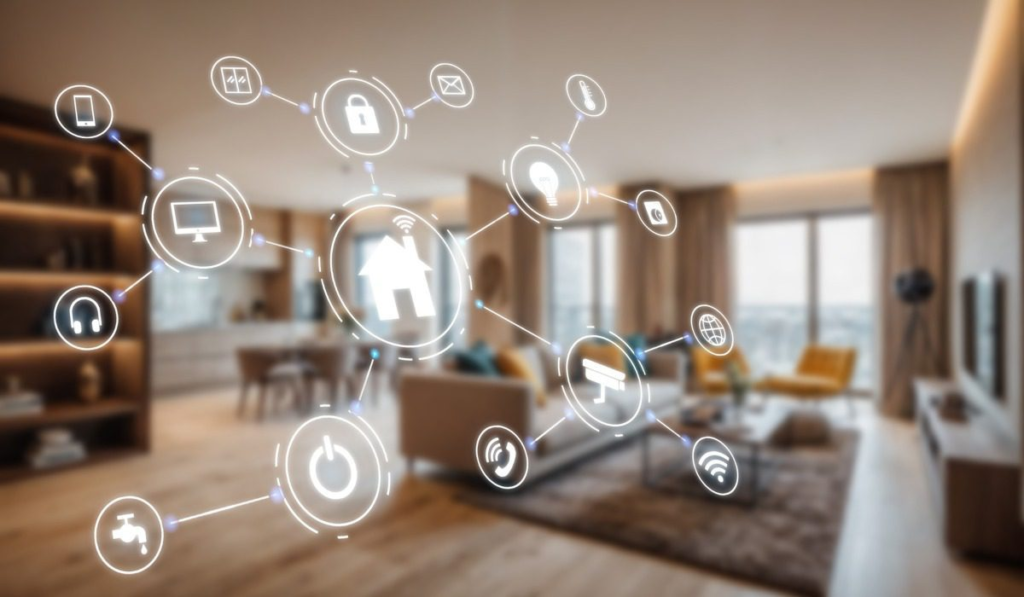
By 2030 smart homes may become more affordable and accessible to average households. Internet-connected devices will likely work together seamlessly to create homes that are more convenient, energy-efficient, and secure.
Voice-controlled systems may manage appliances, entertainment, temperature, and security systems automatically. Smart mirrors might provide health updates while preparing for the day, and kitchen appliances could suggest recipes based on available ingredients.
Home security is also expected to improve through advanced surveillance systems, facial recognition technology, and real-time alerts. Energy consumption could become more efficient as smart systems monitor electricity usage and adjust settings automatically to reduce waste.
Connected living may extend beyond homes into entire neighborhoods and cities. Smart traffic systems, digital public services, and intelligent infrastructure could improve transportation, reduce pollution, and make urban life more efficient. As cities continue growing, technology may help solve challenges related to congestion, safety, and sustainability.
Sustainable Living Becoming a Global Priority

Environmental awareness is expected to play a major role in shaping future lifestyles. Climate change concerns are encouraging governments, businesses, and individuals to focus more on sustainability. By 2030 eco-friendly living may become more integrated into daily routines rather than being viewed as an optional lifestyle choice.
Electric vehicles are likely to become more common as countries invest in charging infrastructure and cleaner transportation options. Renewable energy sources such as solar and wind power may replace traditional fossil fuels in many regions. Homes could use energy-efficient systems designed to reduce environmental impact and lower utility costs.
Consumers are also becoming more conscious about the products they buy. Sustainable fashion, reusable packaging, plant-based foods, and ethical production methods may continue gaining popularity. Companies that prioritize environmental responsibility could attract stronger customer loyalty.
Urban farming and locally sourced food may also grow in popularity as people seek healthier and more sustainable lifestyles. Future cities might include vertical farms, rooftop gardens, and community-based food systems that reduce transportation emissions and improve food accessibility.
Healthcare Becoming More Personalized and Digital
Healthcare is expected to experience dramatic transformation by 2030. Technology may make medical care faster, more accurate, and more accessible for people worldwide. Telemedicine, wearable health devices, and AI-driven diagnostics are already changing healthcare systems today.
Wearable devices may continuously monitor heart rate, blood pressure, sleep patterns, and other health indicators in real time. These devices could alert users and doctors about potential health issues before symptoms become serious. Preventive healthcare may become more important than reactive treatment.
Personalized medicine is another trend likely to expand in the future. Doctors may use genetic information and advanced data analysis to create treatments specifically designed for individual patients. This approach could improve treatment success rates while reducing side effects.
Mental health awareness is also expected to increase significantly. Digital therapy platforms, mindfulness apps, and online mental health support services may become more common as society places greater importance on emotional well-being. The stigma surrounding mental health discussions could continue decreasing, encouraging more people to seek support when needed.
The Rise of Virtual and Augmented Reality
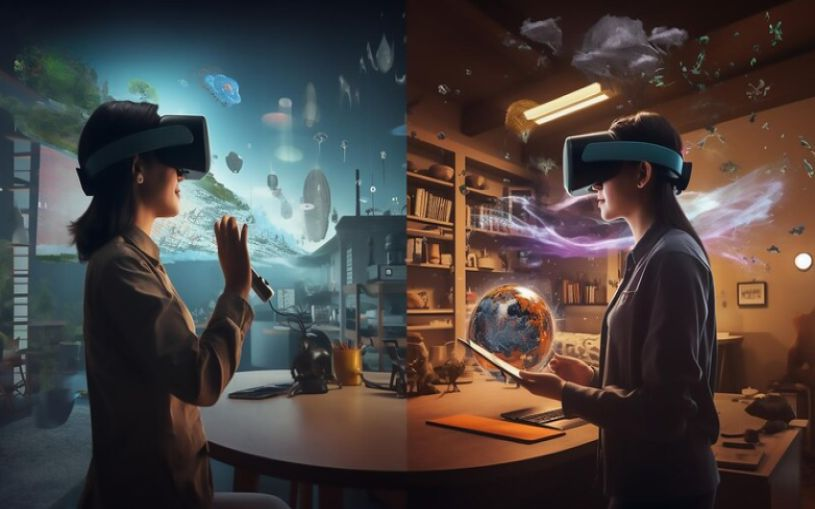
Virtual reality and augmented reality technologies are expected to become much more advanced by 2030. These technologies may influence entertainment, education, shopping, healthcare, and communication in ways that feel highly immersive and interactive.
People may attend virtual concerts, meetings, classrooms, and social gatherings without leaving home. Shopping experiences could allow customers to virtually try clothes, furniture, or makeup before purchasing. Education may become more engaging through interactive virtual learning environments that help students experience historical events, scientific concepts, and practical training simulations.
Gaming and entertainment industries are also likely to evolve rapidly with more realistic and immersive experiences. Social interactions in virtual spaces may become increasingly common as digital worlds continue expanding.
Augmented reality may blend digital information with the physical world. Smart glasses could provide navigation assistance, translations, notifications, and real-time information while people move through daily life. This technology may eventually become as common as smartphones are today.
Transportation and Mobility Changing Completely
Transportation is expected to look very different by 2030. Electric vehicles, autonomous driving technology, and smart transportation systems are already developing rapidly. Self-driving cars may become more reliable and widely accepted, potentially reducing traffic accidents caused by human error.
Public transportation systems could become more efficient through real-time data analysis and automation. Smart traffic management systems may reduce congestion and improve commuting experiences in busy cities.
Ride-sharing services and subscription-based mobility options may replace traditional car ownership for many people, especially in urban areas. Electric scooters, bicycles, and compact transportation solutions may continue gaining popularity for short-distance travel.
Air travel could also evolve with sustainable aviation technologies and faster transportation systems. Some companies are even exploring flying taxis and advanced urban air mobility concepts that may eventually become part of city transportation networks.
Education Evolving Beyond Traditional Classrooms
Education is likely to become more flexible and technology-driven by 2030. Traditional classrooms may continue existing, but online learning and digital education platforms are expected to play a much larger role.
Students may have access to highly personalized learning experiences that adapt to their pace and interests. Artificial intelligence could help teachers identify learning gaps and provide targeted support for students. Virtual classrooms may connect learners globally, creating more diverse educational experiences.
Skills-based education may become increasingly important as industries evolve quickly. Instead of relying solely on traditional degrees, employers may focus more on practical skills, certifications, and continuous learning. Online courses, digital workshops, and interactive training programs may become standard ways for people to upgrade their knowledge throughout life.
Technology could also make education more accessible to people in remote or underserved areas. With internet access and digital devices, students may gain opportunities that were previously unavailable.
Social Media and Digital Communication Continuing to Evolve
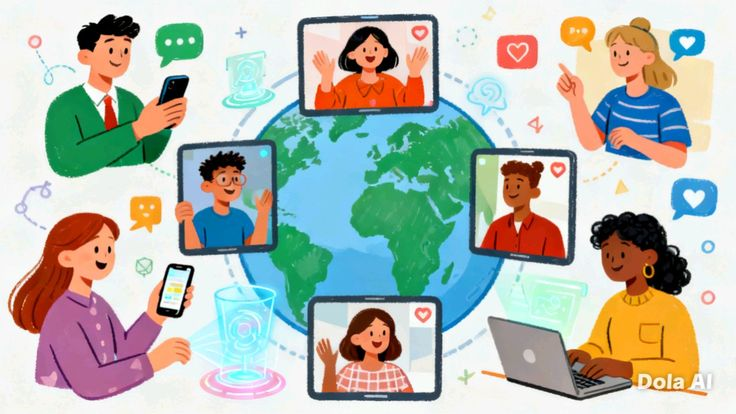
Social media platforms and digital communication methods are expected to change significantly by 2030. Content may become more immersive with virtual reality, augmented reality, and AI-generated experiences shaping online interactions.
People may spend more time in digital communities built around shared interests rather than traditional social networking structures. Privacy and data protection concerns could also influence how future platforms operate. Users are becoming more aware of digital security, and future technologies may focus more on transparency and personal control over data.
Content creation may continue growing as a major career path. Influencers, creators, educators, and entertainers could rely on advanced AI tools to produce high-quality content more efficiently. Short-form video, live streaming, and interactive media are likely to remain highly popular.
At the same time, society may become more conscious about balancing online and offline life. Digital wellness trends encouraging healthier screen habits and mindful technology use could become increasingly important.
The Future of Shopping and Consumer Behavior
Shopping experiences are expected to become more personalized, convenient, and technology-driven by 2030. Artificial intelligence may predict customer preferences and recommend products with incredible accuracy. Online stores could provide virtual fitting rooms and immersive shopping experiences using augmented reality.
Physical stores may also evolve into experience-focused spaces where customers interact with products in creative ways. Automated checkout systems and cashier-free shopping could become more common, making purchases faster and more efficient.
Subscription services and on-demand delivery models may continue growing as consumers prioritize convenience. Drones and autonomous delivery vehicles might eventually handle local deliveries in some areas.
Consumers are also expected to place greater importance on transparency, sustainability, and ethical business practices. Brands that build trust and align with customer values may stand out more in competitive markets.
FAQs
1.What are the biggest future trends expected by 2030?
Some of the biggest future trends include artificial intelligence, smart homes, sustainable living, electric vehicles, virtual reality, personalized healthcare, and remote work expansion.
2.How will artificial intelligence affect daily life in 2030?
Artificial intelligence may automate routine tasks, improve healthcare, personalize education, enhance smart homes, and increase productivity in workplaces.
3.Will remote work continue growing in the future?
Yes, remote and hybrid work models are expected to continue growing as businesses embrace flexibility and digital collaboration tools.
4.Why is sustainable living becoming more important?
Sustainable living helps reduce environmental impact, conserve resources, and address climate change challenges affecting the planet.
5.How could education change by 2030?
Education may become more personalized, technology-driven, and accessible through online learning platforms, AI-powered teaching tools, and skills-based training.