
The world is evolving at a pace that feels almost unbelievable. What once took decades to change is now transforming within just a few years. From the way we communicate and shop to how we work and think about our future, everything is being reshaped by powerful emerging trends. These shifts are not just about technology or business—they are deeply connected to how we experience everyday life. Understanding these trends is not about predicting the future with certainty, but about preparing ourselves to adapt, grow, and thrive in a rapidly changing world.
The Acceleration of Change in the Modern Era
One of the most noticeable aspects of today’s world is the speed at which change is happening. Innovation is no longer limited to a few industries; it is influencing every part of our lives. This acceleration is driven by a combination of advanced technologies, global connectivity, and changing human expectations. People today demand convenience, flexibility, and efficiency, and businesses are constantly evolving to meet those needs.
As a result, the line between personal and professional life is becoming more fluid. The traditional idea of working in a fixed location for fixed hours is gradually being replaced by more flexible models. This shift is not just a temporary trend—it represents a fundamental change in how we view work and productivity.
The Rise of Artificial Intelligence in Everyday Life
Artificial intelligence is no longer a concept limited to science fiction. It has quietly become a part of our daily routines. From personalized recommendations on streaming platforms to virtual assistants that help manage schedules, AI is making life more convenient and efficient. In the workplace, it is transforming how tasks are performed, allowing people to focus on more creative and strategic activities.
Rather than replacing humans entirely, AI is increasingly acting as a partner. It enhances decision-making by analyzing large amounts of data quickly and accurately. This collaboration between humans and machines is redefining productivity and opening up new possibilities across industries. As AI continues to evolve, it will play an even bigger role in shaping how we live and work.
Remote Work and the Evolution of the Workplace

The concept of work has undergone a dramatic transformation in recent years. Remote work, once considered a luxury or temporary solution, has become a permanent feature for many organizations. This shift has changed not only where we work but also how we work.
People now have the flexibility to design their work environments according to their preferences, leading to improved work-life balance. At the same time, companies are rethinking how they measure productivity and maintain team collaboration. Digital tools and virtual communication platforms have become essential, enabling seamless interaction regardless of location.
However, this new way of working also comes with challenges. Maintaining boundaries between work and personal life, staying motivated, and building strong team connections require conscious effort. Despite these challenges, the benefits of flexibility and autonomy make remote work a defining trend of the future.
The Growing Importance of Digital Skills
As technology becomes more integrated into our lives, digital skills are no longer optional—they are essential. Whether it’s basic computer literacy or advanced technical expertise, the ability to navigate digital tools is becoming a key requirement in almost every field.
Learning is no longer confined to traditional classrooms. Online platforms and digital resources have made education more accessible than ever before. People can now learn new skills at their own pace, opening up opportunities for career growth and personal development.
This shift is also changing the way we think about education. Instead of focusing solely on degrees, there is a growing emphasis on continuous learning and skill development. The ability to adapt and learn new things quickly is becoming one of the most valuable skills in itself.
Sustainability as a Way of Life
Sustainability is no longer just a buzzword—it is becoming a necessity. As awareness of environmental issues grows, individuals and organizations are making conscious efforts to reduce their impact on the planet. This shift is influencing everything from how products are designed to how businesses operate.
Consumers are becoming more mindful of their choices, favoring brands that prioritize sustainability and ethical practices. This change in mindset is encouraging innovation in areas such as renewable energy, waste reduction, and eco-friendly materials.
Sustainability is also reshaping workplaces. Companies are adopting greener practices, not only to meet regulations but also to align with the values of their employees and customers. This trend reflects a broader shift towards responsible and conscious living.
The Integration of Technology in Daily Life
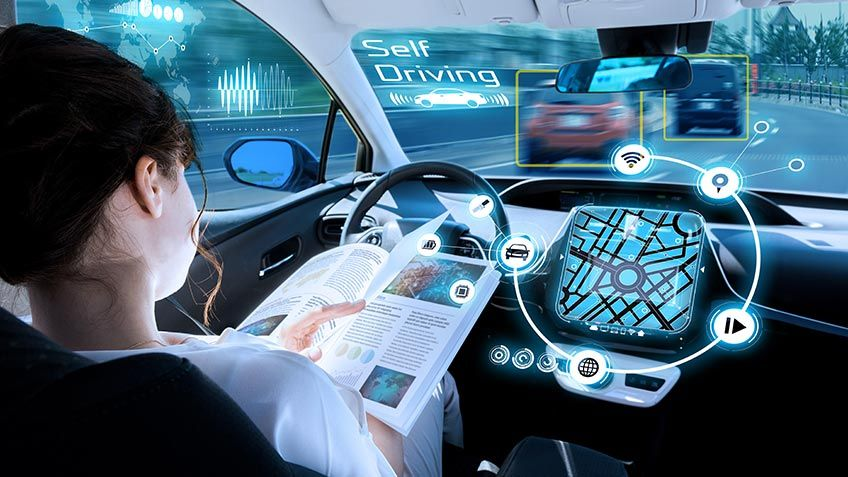
Technology is becoming increasingly seamless, blending into our daily routines in ways that feel natural and intuitive. Smart devices, automation, and connected systems are making everyday tasks more convenient. From managing home appliances to tracking health and fitness, technology is enhancing the quality of life.
This integration is also changing how we interact with the world around us. Information is more accessible than ever, enabling people to make informed decisions quickly. At the same time, it raises important questions about privacy and data security, highlighting the need for responsible use of technology.
The Shift Towards Personalized Experiences
One of the most significant trends shaping the future is the move towards personalization. People no longer want one-size-fits-all solutions—they expect experiences tailored to their preferences and needs. This shift is evident in areas such as entertainment, shopping, and even healthcare.
Businesses are using data and technology to understand their customers better and deliver more relevant experiences. This focus on personalization is not just about convenience; it creates a deeper connection between individuals and the services they use.
In the workplace, personalization is also becoming important. Flexible schedules, customized work environments, and individualized career paths are helping employees feel more engaged and valued.
Health and Well-Being at the Center
The importance of health and well-being has gained significant attention in recent years. People are becoming more aware of the need to take care of both their physical and mental health. This awareness is influencing lifestyle choices and workplace practices.
Organizations are recognizing that employee well-being is directly linked to productivity and success. As a result, there is a growing focus on creating supportive work environments that promote balance and reduce stress.
Technology is also playing a role in this trend. From fitness tracking apps to mental health platforms, digital tools are helping individuals monitor and improve their well-being. This integration of health into daily life is likely to continue shaping the future.
The Rise of the Gig Economy
Traditional career paths are being replaced by more flexible and diverse opportunities. The gig economy, characterized by freelance and short-term work, is becoming increasingly popular. This shift allows individuals to explore multiple interests and create their own career paths.
While the gig economy offers freedom and flexibility, it also requires a different approach to financial planning and job security. People need to be more proactive in managing their careers and building a stable income.
This trend reflects a broader change in how people view work. Instead of seeking long-term stability in a single job, many are prioritizing independence and personal fulfillment.
Human Connection in a Digital World
Despite the growing influence of technology, human connection remains a fundamental need. As interactions become more digital, the value of genuine relationships becomes even more important. People are seeking meaningful connections, both personally and professionally.
This trend is influencing how businesses and communities operate. Building trust, fostering collaboration, and maintaining authenticity are becoming key priorities. The challenge lies in balancing the convenience of digital communication with the need for real human interaction.
Looking Ahead to the Future
The future is not defined by a single trend but by the combination of many interconnected changes. These emerging trends are shaping a world that is more flexible, connected, and dynamic. While they bring new opportunities, they also require adaptability and resilience.
Embracing change with an open mind is essential. Instead of fearing the unknown, viewing it as a chance to learn and grow can lead to new possibilities. The future is not something that simply happens to us—it is something we actively create through our choices and actions.
FAQs
1.What are future trends and why are they important ?
Future trends are patterns or developments that indicate how the world is likely to change over time. They are important because they help individuals and businesses prepare for upcoming challenges and opportunities.
2.How can I stay updated with emerging trends ?
You can stay updated by following reliable news sources, learning new skills, and staying curious about changes in technology and society. Continuous learning is key to keeping up with evolving trends.
3.Will technology replace human jobs completely ?
Technology may change the nature of jobs, but it is unlikely to replace humans entirely. Instead, it will create new roles and opportunities that require different skills.
4.How can I prepare for the future of work ?
Focus on developing adaptable skills such as critical thinking, communication, and digital literacy. Being open to learning and change will help you stay relevant.
5.Are these trends affecting everyone equally ?
The impact of trends can vary depending on location, industry, and individual circumstances. However, most people will experience some level of change in their daily lives.