
Every online business starts with a small moment of courage. Sometimes it begins as a quick sketch in a notebook, sometimes as a weekend passion project that slowly demands more room, and sometimes as a simple decision to sign up for a trial.
Starting a business is intimidating, but taking the first step does not have to be. Platforms like Shopify design their initial setup to feel approachable: you can start with a 3-day free trial that requires no credit card up front. From there, you enter a guided onboarding process where you answer a few simple questions, pick your business location, set up your dashboard, and start building your storefront. You can explore plan tiers—like Basic, Grow, and Advanced—and rest easy knowing that every piece of work you complete carries over seamlessly when you choose a paid plan.
What makes this initial phase so meaningful isn’t just the software itself—it is the low-pressure workspace it creates. It is a safe sandbox where a future brand takes its initial shape. You can upload products, build curated collections, test payment gateways, explore theme layouts, and browse the app ecosystem. The point of a free trial is to give you space to make the most of your store setup before making a financial commitment. Most success stories don’t start with a polished corporate strategy; they start with a brave, hands-on attempt.
Why the First Sale Changes Everything

The first sale is rarely about the profit margin. It is the exact moment an abstract idea turns into a concrete reality. It proves that a real person—someone outside your immediate circle of friends and family—saw what you built, trusted your brand, and paid money for it.
For a new founder, that single order triggers a major shift in mindset:
- Validation: The product is no longer just a prototype; it is an active market offering.
- Momentum: The storefront stops feeling like a school project and starts operating as a live commercial entity.
- Clarity: Every operational question suddenly becomes real, from shipping times to packaging presentation.
This validation creates immediate momentum. Once that first order confirmation rings through, founders naturally start refining their setup. They notice which product photos look dark, where a product description lacks detail, or how the checkout path could be smoother. The early onboarding tools support this feedback loop—they aren’t just there to launch a site, but to help you test, learn, and adjust how your business operates in real-time.
What You Get Before Making Your First Sale
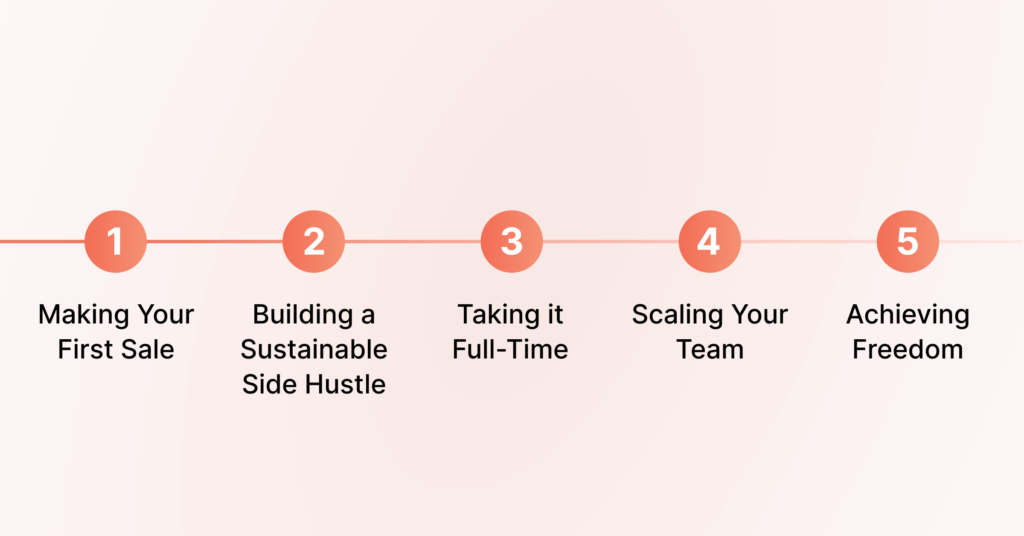
A common trap for first-time entrepreneurs is thinking they need to know everything about logistics, web development, and digital marketing before publishing a store. Modern commerce platforms are built to prove the opposite: you start simple, and the system scales with you as you learn.
During the initial setup, a single cloud-based dashboard gives you access to a comprehensive set of operational tools:
- Multi-Channel Selling: Publish your products across your website, mobile apps, social channels, online marketplaces, or even local pop-up locations using integrated POS tools.
- Centralized Management: Handle product variations, track inventory levels, manage incoming orders, and organize fulfillment details from one place.
- Design & App Ecosystems: Access hundreds of customizable theme layouts and modular apps to extend store functionality without writing custom code.
Early-stage business owners don’t need an overly complex enterprise infrastructure; they need clarity, reliable order processing, and transparent customer tracking. Having these tools in place allows founders to focus on product quality and brand storytelling.
Real Merchant Stories: Proof of What Growth Looks Like
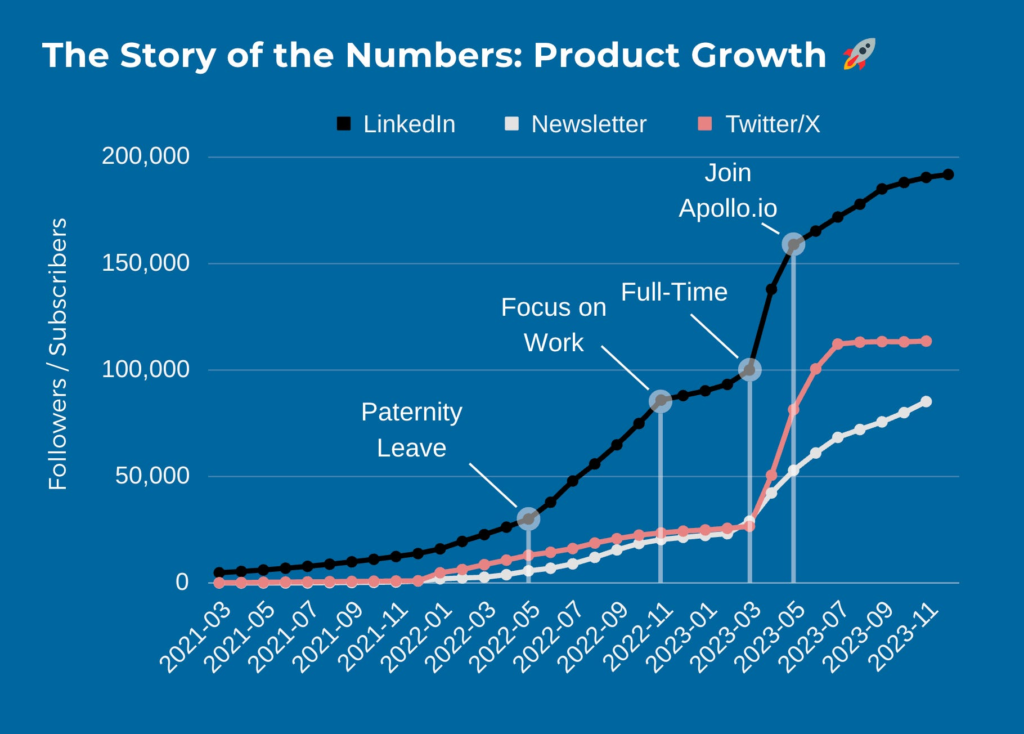
The most compelling proof of what a store can become lies in real merchant results. Across various industries, brands use these core systems to transform small operations into multi-channel powerhouses:
These results highlight a fundamental lesson: when a business builds on a flexible operational foundation, small improvements in site speed, backend organization, and customer experience compound quickly over time.
How a Trial Period Builds Lasting Business Habits
A trial period does more than help you customize a theme—it establishes daily merchant habits. A founder who logs into their store dashboard every day quickly stops thinking like a casual hobbyist and starts operating like a business owner:
- Refining Product Pages: Polishing copy, adding clear sizing guides, and uploading customer-focused images.
- Structuring Navigation: Organizing products into logical collections so shoppers can browse effortlessly.
- Optimizing Financials: Configuring sales tax settings, testing payment processing, and setting accurate shipping rates.
- Testing Customer Journeys: Placing test orders to experience the checkout process from a buyer’s perspective.
Growth is rarely the result of a single overnight event. It is built through small, consistent actions. By the time your first real sale arrives, the process of checking orders, managing inventory, and refining marketing channels has already become second nature.
Why Small Brands Can Move Fast
Agility is the biggest advantage a small business has over an established enterprise. Small teams don’t need months of corporate approvals to launch a product, update pricing, or change their homepage design. Modern e-commerce platforms lean heavily into this speed, offering prebuilt design templates, AI-assisted store setup tools, and fast payment integrations.
The Core Operational Goal: Cut down the time and friction between having an idea and accepting your first customer payment.
Whether you run a boutique furniture line, a direct-to-consumer apparel brand, or a local service business with physical locations, having a unified commerce platform ensures you spend less time fixing technical bugs and more time serving your customers.
What New Sellers Can Learn from Established Brands
If you look closely at successful brands, clear patterns emerge in how they operate:
- Operations Come First: Slick visuals attract visitors, but fast shipping, clear order tracking, and reliable support keep them coming back.
- Omnichannel Expansion Matters: Meeting customers wherever they prefer to shop—whether on social media, via an online storefront, or in person—drives sustainable growth.
- Data Informs Adjustments: Successful founders use store analytics to see where visitors drop off, which products get viewed most, and how marketing efforts perform.
During the initial build phase, it is easy to get caught up in finding the “perfect” color palette or font pair. While design is important, ensuring that your payment gateways work, your shipping zones are correct, and your mobile layout is fast will do far more to secure that crucial first sale.
Frequently Asked Questions
1.How does the Shopify trial structured today?
New users can start with a 3-day free trial without entering a credit card. Following the initial 3 days, Shopify frequently runs promotional launches—such as accessing full plan features for $1 per month for your first few months—allowing merchants to build and launch their store at minimal cost.
2.Can I build a fully functional store during the trial?
Yes. You can upload products, build collections, customize theme templates, configure tax and shipping settings, and connect app integrations. All your custom layouts, products, and configurations are preserved when you upgrade to an active subscription plan.
3.Do I need technical coding skills to set up a store?
No. Modern e-commerce platforms feature drag-and-drop page builders, visual theme customizers, and pre-configured templates that allow anyone to build a professional website without custom code.