
The world is changing faster than ever, and 2026 is becoming a defining year for how people live, work, shop, travel, and connect. Trends that once felt futuristic are now part of daily life, while new innovations are beginning to influence the choices people make every day. From smarter technology to changing work habits and a stronger focus on health, the future is no longer something far away. It is already happening.
Understanding future trends is valuable because it helps people prepare instead of react. Whether you are a student planning a career, a professional adapting to new tools, a business owner watching market shifts, or someone simply curious about where life is heading, these trends offer a glimpse into what matters next.
In 2026, the biggest changes are not only about advanced gadgets or major companies. Many of the most important trends are personal, practical, and deeply connected to everyday life. They affect how people spend time, how they earn money, how they care for themselves, and how they define success.
This guide explores the key future trends that will shape life in 2026 and why they matter.
Artificial Intelligence Becomes a Daily Assistant
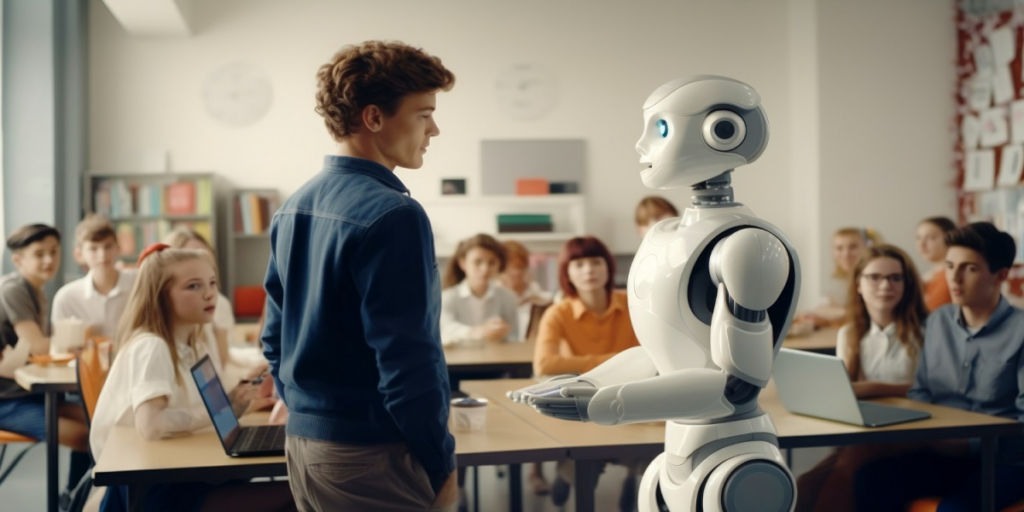
Artificial intelligence has moved beyond being a technical buzzword. In 2026, it is becoming part of normal daily routines. People now use AI to write emails, summarize information, organize schedules, generate ideas, learn new skills, and improve productivity.
Instead of replacing every job, AI is mostly acting as a support tool. It helps individuals work faster, make better decisions, and reduce repetitive tasks. Students use AI for learning support, professionals use it for efficiency, and businesses use it to improve customer service.
The real trend is not just AI itself, but how normal it has become. Much like smartphones changed life quietly over time, AI is being integrated into everyday habits. Those who learn how to use it wisely will likely gain an advantage in work and learning.
Flexible Work Continues to Grow
The idea that everyone must work in a traditional office every day is fading. In 2026, flexible work models remain one of the strongest trends shaping life. Hybrid schedules, remote jobs, freelance opportunities, and digital entrepreneurship are giving people more options than ever.
Many workers now value freedom, time control, and work-life balance as much as salary. Employers are also realizing that performance often matters more than physical presence.
This shift affects where people live, how they manage families, and even how cities function. Some professionals are moving to smaller towns, traveling while working, or building careers online.
Work is becoming less about location and more about results.
Personalized Health and Wellness

Health trends in 2026 are becoming more personal. Instead of generic advice, people want routines based on their own bodies, lifestyles, and goals. Wearable devices, health apps, sleep tracking, and customized fitness plans are helping people understand themselves better.
Mental wellness is also receiving more attention. People are prioritizing stress management, emotional balance, and healthier boundaries with technology. Meditation apps, therapy access, journaling habits, and digital detox routines are increasingly common.
The future of wellness is not extreme diets or unrealistic fitness pressure. It is sustainable self-care that fits real life.
This trend matters because healthier people often perform better, think more clearly, and enjoy stronger quality of life.
Smarter Spending and Value-Based Shopping
Consumers in 2026 are more careful with money. Instead of buying impulsively or choosing products based only on branding, many people are becoming smarter shoppers. They compare prices, read reviews, look for long-term value, and prioritize quality over hype.
Budget-conscious living does not always mean spending less. It often means spending better.
Subscription fatigue is also growing. Many people are canceling unused memberships and simplifying recurring expenses. Shoppers are increasingly interested in products that last longer, save money, or genuinely improve daily life.
This trend is reshaping markets because brands now need to earn trust rather than rely only on advertising.
Sustainable Choices Become Mainstream
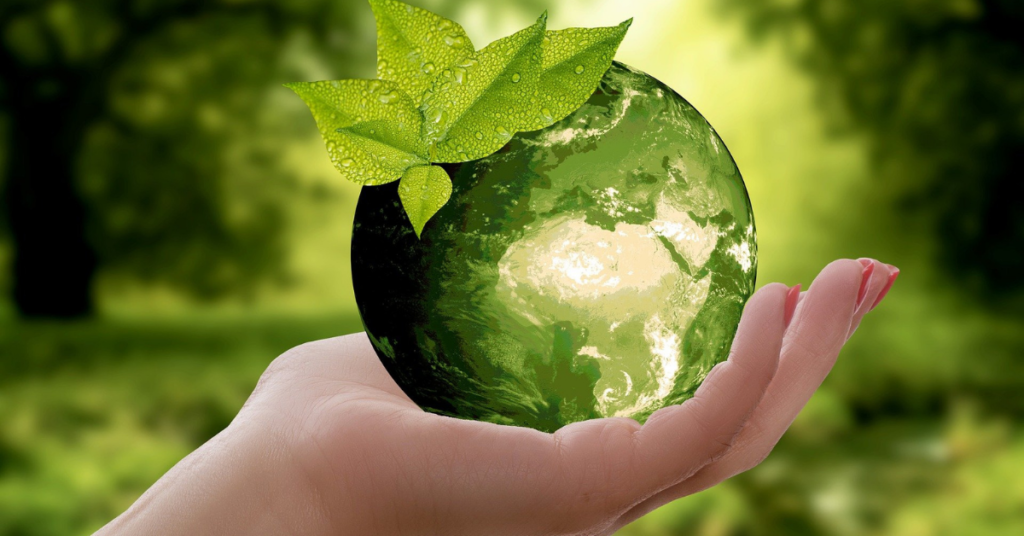
Sustainability is no longer a niche topic. In 2026, more people are considering environmental impact in ordinary decisions. They want reusable products, energy-efficient devices, ethical fashion, reduced waste packaging, and greener transport options.
Businesses are responding by improving materials, transparency, and sustainability promises. Consumers are asking more questions before purchasing.
Even small habits matter. Choosing durable products, reducing waste, repairing instead of replacing, and supporting responsible brands are becoming more normal.
This trend reflects a broader shift toward responsibility and long-term thinking.
Digital Learning Expands
Learning is no longer limited to classrooms or formal institutions. In 2026, people are learning through online platforms, short courses, creator-led communities, AI tools, and skill-based programs.
Many professionals now update their knowledge continuously rather than relying on one degree forever. Students are exploring side skills like coding, design, communication, content creation, and entrepreneurship.
The trend is clear: learning is becoming lifelong.
This matters because industries change quickly. People who stay adaptable and curious often create more opportunities for themselves.
Content Creation as a Real Career Path
Creating content was once seen mainly as a hobby. In 2026, it has become a serious business model for many people. Writers, video creators, educators, designers, and niche experts are building audiences and income online.
People follow creators for entertainment, education, recommendations, and community. Brands are investing heavily in creator partnerships because audiences trust relatable voices more than traditional ads.
The deeper trend is ownership. Individuals can now build personal brands and businesses directly through the internet.
This has changed how younger generations think about careers. Many now want freedom, creativity, and independence alongside income.
Travel Becomes More Meaningful

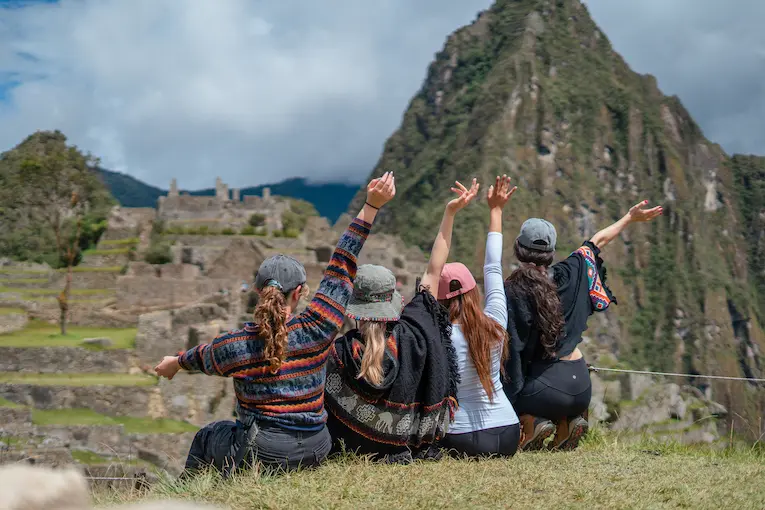
Travel trends in 2026 show a move away from rushed tourism toward more meaningful experiences. People want slower travel, local culture, wellness retreats, work-from-anywhere trips, and destinations that feel authentic rather than overcrowded.
Travelers increasingly care about comfort, value, and emotional experience instead of only checking famous landmarks off a list.
Many people now combine travel with remote work or personal growth. Others choose peaceful nature destinations to recover from digital stress.
Travel is becoming less about showing others where you went and more about how the journey made you feel.
Privacy and Digital Boundaries Matter More
As digital life expands, people are becoming more aware of privacy and attention. In 2026, users care more about how their data is used, how much time apps consume, and how algorithms shape behavior.
This awareness is creating trends around screen-time limits, privacy-focused tools, mindful social media use, and clearer online boundaries.
People are learning that convenience should not always come at the cost of attention or control.
This trend may continue growing as users demand healthier relationships with technology.
Redefining Success
Perhaps the most important trend shaping life in 2026 is changing definitions of success. For years, success was often measured through status, titles, and constant busyness. Today, many people are asking deeper questions.
They want meaningful work, flexible time, mental peace, stable finances, healthy relationships, and freedom to enjoy life. Some choose slower careers with more balance. Others prioritize creativity over prestige.
This shift is powerful because it influences every other trend. How people define success affects where they work, what they buy, how they live, and what they value.
The future is not only about innovation. It is also about intention.
How to Prepare for Future Trends
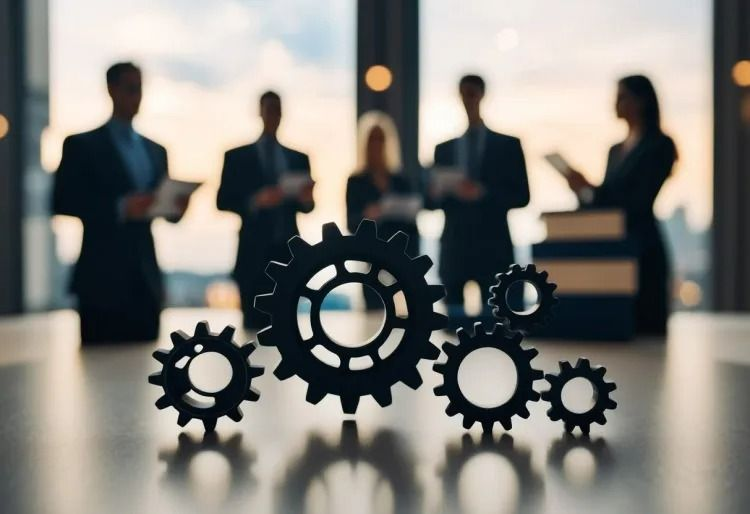
Preparing for change does not require predicting everything perfectly. It simply means becoming adaptable.
Stay open to learning new tools. Build digital and communication skills. Manage money wisely. Protect health and mental energy. Stay curious about changing industries. Focus on flexibility rather than rigid plans.
People who can learn, adjust, and think critically often do well in changing times.
The future usually rewards resilience more than perfection.
FAQs
1.What are future trends?
Future trends are emerging changes in technology, lifestyle, business, and society that are likely to influence how people live in coming years.
2.Why is 2026 considered an important year for trends?
Many innovations such as AI tools, flexible work, digital learning, and smarter consumer habits are becoming mainstream in 2026.
3.How can I prepare for future changes?
Focus on learning new skills, staying adaptable, managing finances wisely, and using technology intelligently.
4.Which trend is most important in 2026?
Artificial intelligence is one of the biggest trends, but changing definitions of success and flexible work are also highly influential.
5.Are future trends only about technology?
No. Many important trends involve health, work-life balance, travel, sustainability, education, and personal values.