
The world is changing faster than ever before. New technologies, shifting lifestyles, environmental awareness, and changing work cultures are transforming how people live, work, and connect. What seemed futuristic only a few years ago is now becoming part of daily life. From artificial intelligence helping businesses grow to smart homes making life easier, future trends are no longer distant ideas. They are happening right now.
Understanding these trends is important because they affect careers, businesses, education, health, and personal choices. Whether you are a student planning your future, an entrepreneur looking for opportunities, or simply someone curious about what comes next, knowing the direction the world is moving can help you stay prepared. The future belongs to those who can adapt, learn, and take advantage of change.
This guide explores the top future trends shaping the world right now and explains how they are influencing modern life in practical ways.
Artificial Intelligence Becoming a Daily Tool
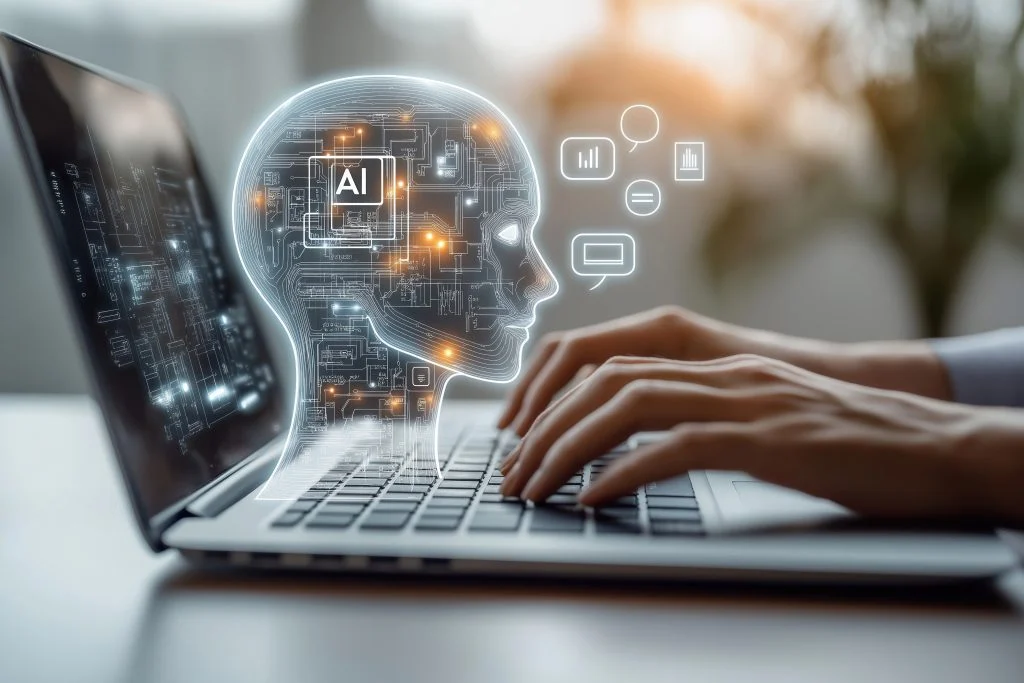
Artificial intelligence has moved beyond science fiction and become a real part of everyday life. People use AI when they search online, get movie recommendations, talk to virtual assistants, or use navigation apps. Businesses are using AI to improve customer service, automate tasks, and analyze data faster than humans can.
In the future, AI will become even more common in education, healthcare, finance, and creative industries. Teachers may use AI tools to personalize learning for students. Doctors may use AI to detect diseases earlier. Companies may use it to improve efficiency and create better experiences for customers.
The biggest impact of AI is not replacing humans entirely, but helping people work smarter. Those who learn how to use AI tools effectively will have a strong advantage in the coming years.
Remote Work and Flexible Careers
The traditional office model has changed dramatically. Many companies now allow remote work, hybrid schedules, and flexible hours. People no longer need to live in one city to work for a company located elsewhere. This trend has opened opportunities for freelancers, digital nomads, and global teams.
Future careers will focus more on skills than location. Employers are increasingly hiring people based on talent, communication, and results rather than where they live. This means professionals can build careers from home, travel while working, or manage multiple income sources online.
Remote work has also created demand for productivity tools, virtual meetings, project management software, and digital communication platforms. As technology improves, virtual workplaces will become more interactive and efficient.
Smart Homes and Connected Living
Homes are becoming smarter every year. Devices such as voice assistants, smart lighting, security cameras, automated thermostats, and connected appliances are making homes safer and more convenient.
In the future, smart homes may automatically adjust temperature based on weather, reorder groceries when supplies run low, and optimize electricity usage to reduce costs. Families can monitor home security remotely and control devices through smartphones.
Connected living is about saving time, improving comfort, and increasing efficiency. As prices become more affordable, smart home technology will likely become common in many households around the world.
Sustainable Living and Green Innovation

Climate awareness is influencing how people shop, travel, build homes, and run businesses. Sustainability is no longer a niche idea. It is becoming a major global priority. Consumers increasingly prefer eco-friendly brands, recyclable packaging, renewable energy, and responsible manufacturing.
Electric vehicles are growing in popularity. Solar power is becoming more accessible. Businesses are investing in energy-efficient buildings and waste reduction systems. Fashion brands are exploring recycled materials and ethical production methods.
Green innovation is also creating new job opportunities in renewable energy, environmental design, and clean technology. In the coming years, sustainability will become a standard expectation rather than a special feature.
Digital Payments and Cashless Economies
The way people pay for goods and services has changed rapidly. Mobile wallets, contactless cards, QR code payments, and online banking are replacing traditional cash transactions in many places.
Digital payments are faster, more secure, and easier to track. Small businesses can accept payments instantly, and customers can make purchases with a tap of their phone. International transfers are also becoming easier through fintech platforms.
As this trend grows, financial literacy becomes even more important. People need to understand digital security, budgeting apps, online fraud prevention, and modern money management tools. Cashless systems are shaping the future of commerce worldwide.
Personalized Healthcare and Wellness
Healthcare is becoming more personal, preventive, and technology-driven. Wearable devices can track heart rate, sleep patterns, activity levels, and stress. Apps can remind users to take medicine or maintain healthy habits.
Future healthcare will focus on early prevention rather than waiting for illness to become serious. Doctors may use data from wearable devices to identify health risks sooner. Telemedicine is already allowing patients to consult doctors online from home.
Wellness trends are also growing. Mental health support, mindfulness apps, fitness technology, and nutrition tracking tools are becoming mainstream. People are prioritizing balance, not just treatment.
This trend shows that health is no longer limited to hospitals. It is becoming part of daily lifestyle choices.
Online Learning and Skill-Based Education


Education is changing quickly. Traditional degrees still matter, but practical skills are becoming equally important. Online courses, digital certifications, and self-paced learning platforms allow people to gain knowledge anytime and anywhere.
Many employers now value skills in coding, marketing, design, communication, and analytics, even if learned outside a university setting. This creates opportunities for people who are willing to keep learning.
The future workforce will reward adaptability. Instead of learning once and stopping, people will continue upgrading their skills throughout life. Lifelong learning is one of the most powerful future trends shaping careers right now.
E-Commerce and Social Shopping
Online shopping continues to grow, but it is also changing in new ways. Customers now discover products through social media, influencer content, live shopping streams, and personalized recommendations.
Brands are focusing on customer experience, faster delivery, easy returns, and direct communication. Small businesses can now sell globally through digital platforms without needing physical stores.
Future e-commerce will become even more interactive with augmented reality, AI suggestions, and instant customer support. Shoppers may virtually try on clothes, preview furniture in their room, or receive highly personalized offers.
This trend is transforming how businesses reach customers and how customers make buying decisions.
Content Creation and the Creator Economy
A major trend shaping the modern world is the rise of independent creators. Writers, video makers, podcasters, designers, educators, and influencers are building businesses around their content.
People can now earn income through subscriptions, ads, sponsorships, courses, affiliate marketing, and digital products. This has created a new economy where individuals can grow audiences and monetize expertise.
The creator economy rewards creativity, consistency, and authenticity. It also gives people more career freedom than traditional employment models.
As more tools become available, content creation will remain one of the most exciting future opportunities.
Urban Innovation and Smart Cities
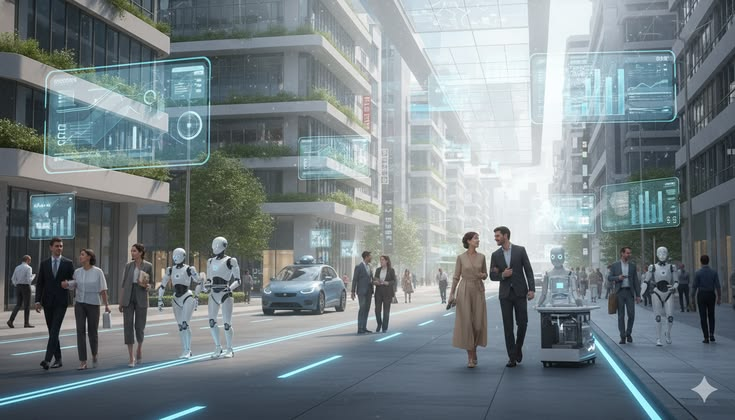
Cities are evolving through technology and planning. Smart traffic systems, digital public services, better waste management, electric transport, and improved infrastructure are helping cities become more efficient.
Governments are using data to improve transportation, reduce congestion, and deliver services faster. Public spaces are being redesigned for walkability, cycling, and sustainability.
Smart cities aim to improve quality of life for growing populations. As urban areas expand, innovation will be essential for managing housing, transport, and environmental challenges.
Human Connection in a Digital World
While technology continues to grow, people also value genuine connection more than ever. Communities, meaningful relationships, emotional intelligence, and trust are becoming important differentiators in business and life.
Brands that communicate honestly and serve real needs earn stronger loyalty. Leaders with empathy often outperform those who rely only on authority. Teams with strong collaboration succeed more consistently.
This means the future is not only about machines and automation. It is also about human values. Communication, creativity, and emotional understanding will remain essential skills.
How to Prepare for These Future Trends
The best way to prepare for the future is to stay curious and adaptable. Learn new digital tools. Improve communication skills. Stay informed about changes in your industry. Build habits that support health, productivity, and financial stability.
You do not need to predict everything perfectly. You simply need to stay open to learning and evolving. People who resist change often struggle, while those who adapt usually find new opportunities.
The future is created by everyday decisions. Small actions today can lead to big success tomorrow.
FAQs
1.What are future trends?
Future trends are changes in technology, lifestyle, business, and society that are expected to grow and influence the way people live and work.
2.Why is it important to know future trends?
Knowing future trends helps individuals and businesses prepare for change, make better decisions, and discover new opportunities early.
3.Which future trend is growing the fastest?
Artificial intelligence is one of the fastest-growing trends because it is being adopted across many industries and everyday tools.
4.Will remote work continue in the future?
Yes, many companies now support remote or hybrid work models, and flexible careers are expected to remain strong.
5.How can I prepare for future trends?
You can prepare by learning new skills, staying updated with technology, improving adaptability, and being open to change.
- Best Timer Games 2026: Ultimate Speed Challenges to Try

- Mario Kart World 2026: Everything You Need to Know About the New Racing Game

- iPhone 18 Pro 2026 Guide: New Features, Design, Camera & Performance

- Smart Home Technology 2026: New Trends, Gadgets & Ideas

- Future Shopping Trends: Smart Ways to Save Money

- Lili Estefan 2026: Everything You Need to Know