
The Northern Lights have fascinated people for centuries, turning ordinary nights into unforgettable experiences. Whether you are a dedicated skywatcher, an amateur photographer, or someone simply hoping to witness one of nature’s most beautiful displays, the question remains the same every evening: can you see the Northern Lights tonight?
The answer depends on several factors, including solar activity, weather conditions, your location, and the strength of the aurora forecast. Thanks to modern technology and real-time aurora monitoring systems, it is easier than ever to track potential Northern Lights displays and determine whether tonight offers a good chance of seeing them.
In this guide, we will explore how the Northern Lights form, how real-time aurora forecasts work, what affects visibility, and how you can improve your chances of witnessing this incredible phenomenon.
What Are the Northern Lights?
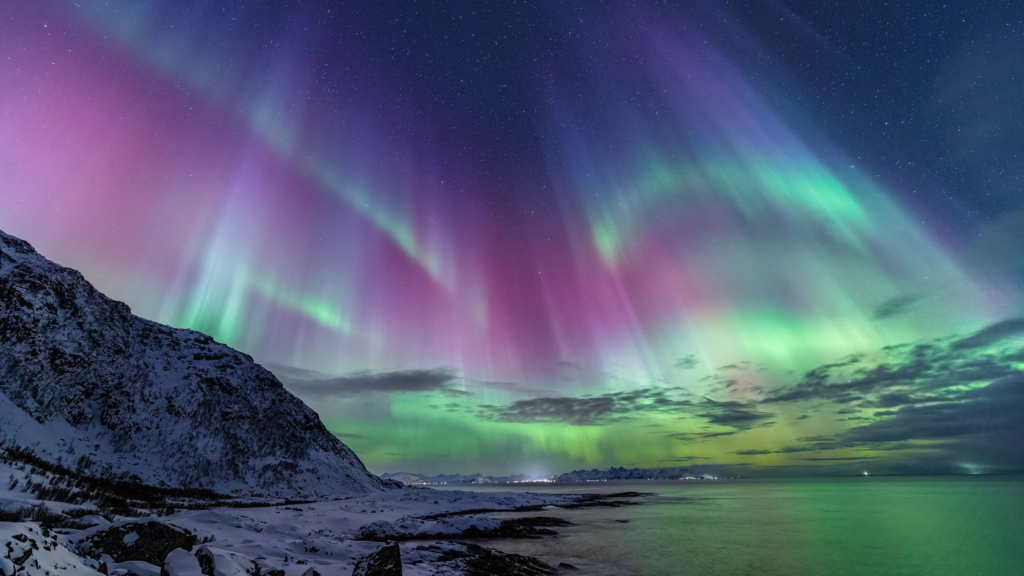
The Northern Lights, scientifically known as the Aurora Borealis, are natural light displays that occur when charged particles from the Sun collide with gases in Earth’s upper atmosphere. These collisions release energy in the form of colorful light, creating the glowing curtains, arcs, and waves that dance across the night sky.
The colors of the aurora depend on which atmospheric gases are involved in the interaction. Oxygen often produces green and red lights, while nitrogen can create shades of blue and purple. The result is a mesmerizing celestial performance that attracts travelers from around the world.
Auroras are most commonly seen near Earth’s polar regions because the planet’s magnetic field directs solar particles toward the poles. This is why countries such as Norway, Iceland, Sweden, Finland, Canada, and Alaska are among the best places to observe the phenomenon.
Why the Northern Lights Vary From Night to Night
Many people assume that if they visit a Northern Lights destination, they will automatically see the aurora. In reality, aurora visibility changes constantly.
The Sun regularly releases streams of charged particles known as solar wind. When these particles reach Earth, they interact with the magnetic field and atmosphere. Some nights, solar activity is relatively quiet, producing weak auroras that remain close to the Arctic Circle. Other nights, powerful geomagnetic storms can push the aurora much farther south, allowing millions of additional people to witness the display.
This constant variation makes real-time aurora forecasting essential. A location that offered incredible aurora activity yesterday may show little or no activity tonight, while a previously quiet region could suddenly become a hotspot for viewing.
Understanding Real-Time Aurora Updates
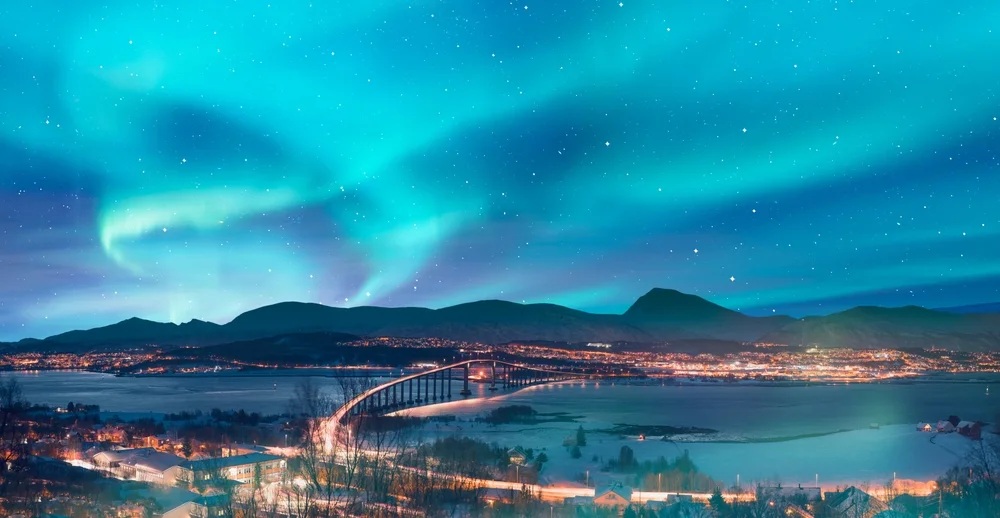
Real-time aurora updates provide the latest information about solar activity and geomagnetic conditions. These updates help skywatchers determine the likelihood of seeing the Northern Lights on any given night.
Aurora forecasting relies on data collected by satellites and solar observatories that continuously monitor the Sun. Scientists track solar flares, coronal mass ejections, solar wind speed, and magnetic field conditions to predict how Earth’s atmosphere may respond.
One of the most commonly referenced indicators is the KP Index. This scale measures geomagnetic activity on a range from 0 to 9. The higher the number, the stronger the auroral activity.
A KP Index of 1 or 2 generally indicates weak auroras limited to high-latitude regions. A KP level of 5 or higher often signals a geomagnetic storm capable of producing visible auroras much farther south than usual.
Because conditions can change rapidly, checking real-time updates throughout the day is often the best strategy for maximizing your chances of success.
Can You See the Northern Lights Tonight?
Whether you can see the Northern Lights tonight depends on four primary factors.
The first factor is solar activity. Strong solar winds and geomagnetic storms significantly increase the likelihood of visible auroras.
The second factor is location. People living in northern regions have a naturally better chance of seeing auroras because they are closer to the Earth’s magnetic poles.
The third factor is weather. Even the strongest aurora display will be invisible if thick clouds cover the sky.
The fourth factor is darkness. During summer months in far northern locations, extended daylight can make aurora viewing difficult despite favorable solar conditions.
Before heading outside, it is important to check both aurora forecasts and local weather forecasts. Clear skies combined with elevated geomagnetic activity offer the best opportunity for a memorable viewing experience.
Best Locations to View the Aurora
Some destinations have become famous for their exceptional Northern Lights viewing opportunities.
Northern Norway consistently ranks among the world’s top aurora destinations. Cities such as Tromsø attract visitors from around the globe because of their combination of accessibility, dark skies, and frequent aurora activity.
Iceland is another popular choice due to its dramatic landscapes, volcanic scenery, and relatively mild winter climate.
In Finland and Sweden, remote wilderness areas offer excellent conditions for aurora photography and observation.
Across North America, Alaska and northern Canada provide some of the most reliable aurora displays on Earth. Communities located beneath the auroral oval can experience Northern Lights activity hundreds of nights each year.
During major geomagnetic storms, the aurora may even become visible in regions much farther south, including parts of the United States, the United Kingdom, Germany, and other European countries.
The Best Time to Look for the Northern Lights
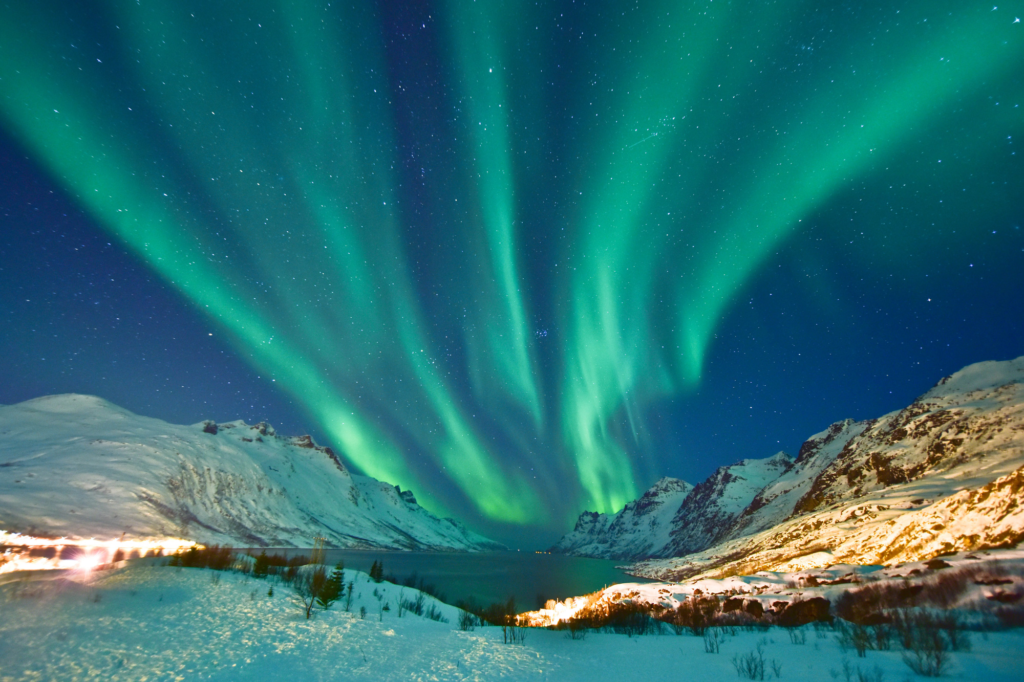
Timing plays a crucial role in successful aurora viewing.
The Northern Lights are generally most active between late evening and early morning. While displays can occur at any time during darkness, many experts consider the period between 10 PM and 2 AM to be particularly favorable.
The best season for aurora viewing is typically from late September through early April. During these months, long nights provide extended periods of darkness, increasing viewing opportunities.
Moonlight can also affect visibility. A bright full moon may reduce contrast and make faint auroras harder to see. However, strong auroral displays often remain visible even under moonlit skies.
Patience is essential. Some nights produce dramatic displays that last for hours, while others may involve only brief bursts of activity.
How Weather Affects Aurora Visibility
Weather is often the most overlooked factor when people plan Northern Lights excursions.
Cloud cover can completely obscure the aurora, regardless of how intense the display may be above the clouds. Even moderate cloud coverage can reduce visibility significantly.
This is why experienced aurora hunters monitor weather forecasts as closely as they monitor aurora forecasts. If conditions are cloudy in one location, driving to an area with clearer skies can dramatically improve your chances.
Cold temperatures are common in many aurora-viewing destinations, so proper clothing is essential. Spending several hours outdoors while waiting for activity requires warm layers, insulated footwear, gloves, and head protection.
Tips for Photographing the Northern Lights
Capturing the Northern Lights on camera requires preparation, but modern equipment has made the process more accessible than ever.
A camera with manual settings generally produces the best results. Wide-angle lenses are particularly useful because they allow photographers to capture more of the sky and surrounding landscape.
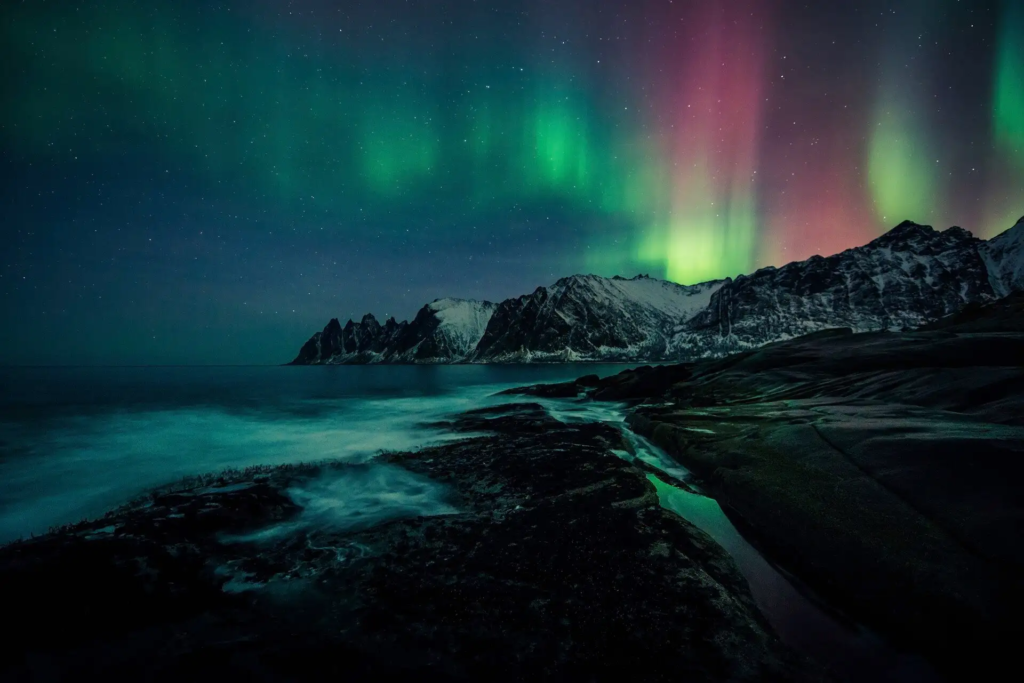
Using a tripod helps prevent blur caused by long exposure times. Many photographers begin with exposure settings between five and fifteen seconds and adjust based on aurora brightness.
Smartphones have also improved significantly in recent years. Many modern devices include night photography modes capable of capturing impressive aurora images.
The key is to experiment with settings while remaining patient. Aurora displays are constantly changing, creating new photographic opportunities throughout the night.
Why Aurora Activity Is Increasing
Recent years have seen growing excitement around the Northern Lights because the Sun is approaching a period of heightened activity known as Solar Maximum.
The Sun operates on an approximately eleven-year cycle. During Solar Maximum, solar storms, flares, and coronal mass ejections occur more frequently, increasing the likelihood of strong auroral displays.
This period often produces some of the most spectacular Northern Lights events, including rare sightings in regions that do not typically experience auroral activity.
As solar activity remains elevated, many experts expect continued opportunities for impressive Northern Lights displays over the coming years.
The Emotional Experience of Seeing the Aurora
Descriptions and photographs can only capture part of what makes the Northern Lights so special.
Standing beneath a sky filled with moving green ribbons, swirling purple waves, and glowing arcs creates a sense of wonder that is difficult to describe. Many first-time viewers report feeling overwhelmed by the beauty and scale of the experience.
Unlike many natural attractions, the aurora is never exactly the same twice. Each display is unique, shaped by constantly changing solar and atmospheric conditions.
For many travelers, witnessing the Northern Lights becomes one of the most memorable moments of their lives.
Staying Updated With Aurora Forecasts
Because aurora conditions change rapidly, staying informed is critical.
Checking real-time aurora maps, solar activity reports, geomagnetic storm alerts, and weather forecasts throughout the day can dramatically improve your chances of success.
Many aurora enthusiasts use mobile applications and notification services that send alerts when activity levels rise. These tools allow viewers to react quickly when conditions become favorable.
Combining accurate forecasts with flexible travel plans often leads to the best viewing experiences.
Frequently Asked Questions
1.What causes the Northern Lights?
The Northern Lights occur when charged particles from the Sun interact with gases in Earth’s atmosphere. These collisions release energy in the form of colorful light, creating the aurora.
2.What is the KP Index?
The KP Index is a scale that measures geomagnetic activity. Higher KP values generally indicate stronger auroras and a greater chance of visibility in locations farther from the poles.
3.Can the Northern Lights be seen outside Arctic regions?
Yes. During strong geomagnetic storms, auroras can become visible much farther south than usual, including parts of Europe, the United States, and other regions.
4.What time are the Northern Lights most visible?
Auroras can appear anytime during darkness, but viewing is often best between 10 PM and 2 AM local time.
5.Do clouds affect Northern Lights visibility?
Yes. Cloud cover can completely block the aurora from view, making weather forecasts an important part of aurora planning.