
In today’s fast-moving world, protecting yourself from dangerous infections has become more important than ever. As people travel more frequently, interact in crowded environments, and spend time in public spaces every day, the risk of catching illnesses continues to increase. In 2026, medical science has advanced significantly, yet infections still remain one of the most common health concerns around the world.
From seasonal viruses and bacterial illnesses to newly emerging health threats, infections can affect anyone regardless of age or lifestyle. While many infections are mild and manageable, some can become serious if not prevented or treated properly. The good news is that modern healthcare knowledge, better hygiene awareness, and healthier lifestyle habits make it possible to reduce the risk of infection considerably.
Understanding how infections spread and learning simple prevention techniques can protect not only your own health but also the health of your family and community. Small daily habits often make the biggest difference when it comes to staying safe.
This guide explores how to protect yourself from dangerous Infections in 2026, including practical prevention methods, healthy lifestyle choices, and the role of technology and medical advancements in fighting diseases.
Understanding How Infections Spread
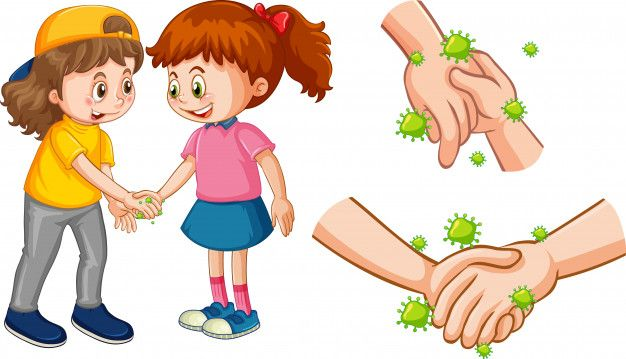
An Infection occurs when harmful microorganisms such as bacteria, viruses, fungi, or parasites enter the body and begin multiplying. Some infections spread through direct contact with infected individuals, while others travel through the air, contaminated food, water, or surfaces.
Modern cities and crowded public environments increase the chances of exposure. Public transportation, offices, schools, shopping centers, and airports can all become places where germs spread quickly.
In 2026, healthcare experts continue to emphasize that understanding transmission is one of the most effective ways to prevent illness. People who understand how germs spread are more likely to take precautions seriously.
Airborne infections, for example, can spread through coughing, sneezing, or even talking in close spaces. Foodborne infections may result from improperly cooked meals or contaminated ingredients. Some infections spread through physical contact, while others may come from insect bites or poor sanitation.
Knowing the source of infection helps people respond more carefully in daily life.
The Importance of Personal Hygiene
Good hygiene remains one of the simplest and most effective ways to protect against infections. Even with advanced medical technology available in 2026, basic cleanliness continues to save millions of lives worldwide.
Washing hands regularly is still one of the strongest defenses against harmful germs. Hands touch countless surfaces throughout the day, including phones, door handles, desks, shopping carts, and public screens. Without proper cleaning, germs can easily enter the body through the eyes, nose, or mouth.
Using soap and water properly removes bacteria and viruses before they have the chance to spread. Alcohol-based sanitizers are also useful when handwashing facilities are unavailable.
Personal hygiene also includes maintaining clean clothing, bathing regularly, and practicing oral hygiene. Bacteria and viruses can survive on surfaces and fabrics, so keeping personal spaces clean reduces exposure risks.
In 2026, many people also use smart hygiene products such as touchless sanitizers, self-cleaning devices, and antimicrobial materials that help limit bacterial growth.
Strengthening the Immune System Naturally
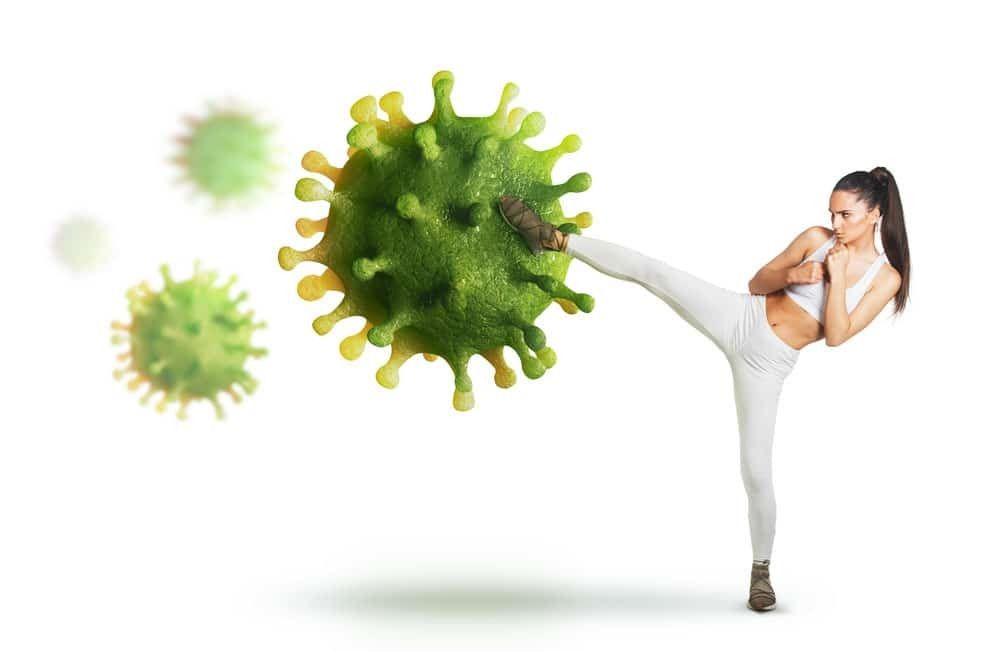
A strong immune system is one of the body’s best natural defenses against dangerous infections. While no method can guarantee complete protection, healthy habits can help the body fight illness more effectively.
Nutrition plays a major role in immune health. Diets rich in fruits, vegetables, lean proteins, healthy fats, and vitamins help the body function properly. Nutrients such as vitamin C, vitamin D, zinc, and antioxidants support immune responses and overall wellness.
Hydration is equally important. Drinking enough water helps the body remove toxins and maintain healthy organ function. Inadequate hydration can weaken physical performance and reduce the body’s ability to respond to infections.
Sleep has become a major focus in health discussions in 2026. Studies continue to show that poor sleep weakens the immune system and increases vulnerability to illnesses. Getting enough rest allows the body to repair itself and strengthen immune defenses.
Exercise also contributes to infection prevention. Regular physical activity improves circulation, supports heart health, reduces stress, and boosts immune function. Even simple activities like walking, stretching, or cycling can improve overall health significantly.
Stress management is another important factor. Chronic stress may weaken the immune system over time, making individuals more vulnerable to illness. Meditation, hobbies, relaxation techniques, and social support can all help maintain mental and physical balance.
Vaccination and Modern Preventive Healthcare
Vaccines continue to play a critical role in preventing dangerous infections in 2026. Medical advancements have made vaccines safer, faster to develop, and more effective than ever before.
Vaccination helps the immune system recognize harmful pathogens before exposure occurs. This allows the body to respond more quickly and effectively if infection happens later.
Routine vaccines protect against diseases such as influenza, pneumonia, hepatitis, and other serious illnesses. In recent years, scientists have also improved vaccine technology using advanced research methods and AI-supported medical development.
Preventive healthcare has become increasingly personalized in 2026. Many people now use digital health monitoring devices to track symptoms, heart rate, oxygen levels, sleep quality, and early warning signs of illness.
Regular medical checkups also help detect infections before they become severe. Early diagnosis often leads to faster treatment and fewer complications.
Healthcare experts encourage people to stay informed about recommended vaccines and preventive screenings based on age, travel plans, work environments, and medical history.
Protecting Yourself in Public Places

Public spaces remain one of the most common locations for the spread of infections. Crowded transportation systems, schools, offices, shopping malls, and entertainment venues expose people to large numbers of germs every day.
In 2026, people are more aware of respiratory hygiene than ever before. Covering coughs and sneezes, avoiding close contact with sick individuals, and maintaining cleanliness in shared environments are widely recommended practices.
Many workplaces and public areas now use improved air filtration systems and smart sanitation technology to reduce infection risks. Some buildings monitor indoor air quality in real time to improve ventilation automatically.
Wearing masks may still be recommended in certain situations, especially during outbreaks or in crowded healthcare environments. While not always necessary in everyday settings, masks can help reduce exposure during high-risk periods.
People are also encouraged to avoid touching their faces frequently, particularly in crowded public places where surfaces may carry germs.
Safe Food and Water Practices
Foodborne and waterborne infections continue to affect millions of people globally each year. Proper food safety habits are essential for preventing illness.
Cooking food thoroughly kills many harmful bacteria and parasites. Refrigerating perishable items correctly and avoiding expired products also reduce infection risks.
In 2026, food safety technology has improved significantly, but personal responsibility still matters. Cross-contamination in kitchens remains a common cause of illness. Using separate cutting boards for raw meat and vegetables can prevent bacteria from spreading.
Clean drinking water is equally important. In areas where water quality is uncertain, filtered or purified water may help reduce exposure to harmful microorganisms.
Restaurants and food delivery services have also adopted stricter hygiene monitoring systems in many countries, helping improve consumer safety.
Travel Safety and Infection Prevention
Global travel has become easier than ever, but international movement can increase exposure to unfamiliar infections. Travelers in 2026 are encouraged to stay informed about health conditions in their destinations before departure.
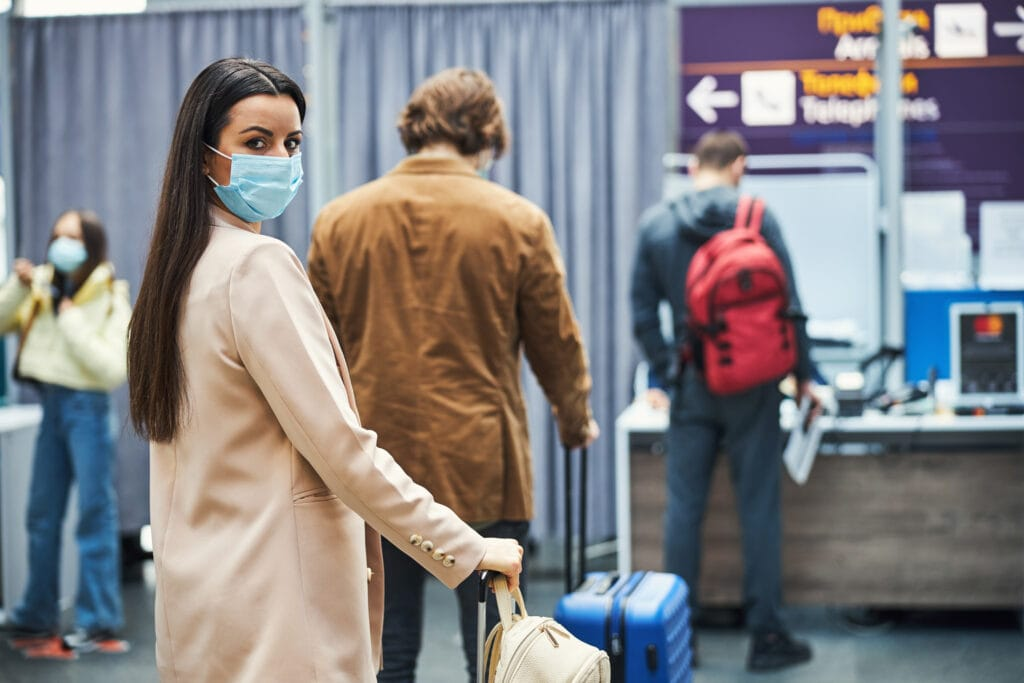
Some countries may require vaccinations or health screenings for entry. Travelers should also carry essential medications, hygiene supplies, and updated medical information.
Airports, airplanes, and tourist destinations often involve close contact with large groups of people, increasing infection risks. Staying hydrated, maintaining hygiene, and avoiding close contact with visibly ill individuals can help reduce exposure.
Travel insurance with medical coverage has also become more important due to changing global health conditions.
The Role of Technology in Preventing Infections
Technology is playing a bigger role than ever in infection prevention and healthcare management. Smart devices, AI-powered health tools, and wearable technology are helping people monitor their health in real time.
Health apps can now detect early warning signs of illness based on symptoms, sleep patterns, heart rate changes, and body temperature trends. Some wearable devices even alert users to possible health concerns before symptoms become serious.
Hospitals in 2026 increasingly use robotic cleaning systems, automated sanitation equipment, and AI diagnostics to reduce the spread of infections.
Telemedicine has also transformed healthcare access. Instead of visiting crowded clinics for minor concerns, patients can now consult doctors remotely through secure digital platforms.
This reduces unnecessary exposure while improving convenience and access to medical advice.
Why Awareness and Education Matter

Education remains one of the strongest tools in fighting dangerous infections. Misinformation can lead to panic, poor health decisions, or delayed treatment.
Reliable health information from medical professionals and trusted organizations helps people make informed decisions about prevention and care.
Schools, workplaces, and communities now place greater emphasis on health awareness campaigns. Teaching children and adults about hygiene, vaccination, and infection prevention creates healthier environments for everyone.
Social media also plays a major role in spreading health information in 2026. While it can be helpful, people should always verify medical advice through trusted healthcare sources.
FAQs
1.What is an infection?
An Infection happens when harmful microorganisms such as bacteria, viruses, fungi, or parasites enter the body and cause illness.
2.How can I reduce my risk of infections?
Good hygiene, healthy eating, regular exercise, vaccination, and proper sleep can help reduce infection risks.
3.Why is handwashing important?
Handwashing removes harmful germs from the skin and prevents them from entering the body or spreading to others.
4.Can a strong immune system prevent infections?
A healthy immune system helps the body fight infections more effectively, although it cannot guarantee complete protection.
5.Are vaccines still important in 2026?
Yes, vaccines remain one of the most effective ways to prevent many dangerous diseases and reduce serious complications.