
The world is changing faster than ever before. New technologies, shifting consumer behaviors, digital transformation, and global innovation are reshaping how people live, work, communicate, and do business. What once seemed impossible or futuristic is quickly becoming part of daily life. From artificial intelligence and smart devices to remote work and sustainable living, future trends are influencing nearly every industry and lifestyle around the world.
The pace of change can feel exciting and overwhelming at the same time. Businesses are constantly adapting to new technologies, while individuals are learning how to navigate a world that becomes more connected and digital each year. The future is no longer something far away. Many future trends are already shaping the present moment and influencing decisions people make every day.
Understanding these trends is important because they affect careers, education, shopping habits, communication, entertainment, and even personal relationships. People and businesses that stay informed about emerging changes are often better prepared to adapt, grow, and succeed in a rapidly evolving world.
The future is not only about advanced machines or futuristic inventions. It is also about how technology and innovation improve everyday life, solve global challenges, and create new opportunities for people across different industries and communities.
The Rise of Artificial Intelligence in Everyday Life
Artificial intelligence has become one of the most influential trends shaping the future. AI is no longer limited to science fiction or large tech companies. It is already part of daily routines for millions of people around the world.
Virtual assistants, recommendation systems, chatbots, navigation apps, and personalized online experiences all rely on artificial intelligence. Businesses use AI to improve customer service, analyze data, automate repetitive tasks, and make faster decisions.
AI is also transforming industries such as healthcare, education, finance, and retail. In healthcare, AI helps doctors analyze medical information and improve diagnoses. In education, personalized learning platforms adapt lessons according to student needs. Retail businesses use AI to predict customer preferences and improve shopping experiences.
As AI technology continues advancing, it will likely become even more integrated into daily life. However, this trend also raises important conversations about privacy, ethics, job automation, and responsible technology use.
The future of AI will depend not only on innovation but also on how society chooses to manage and balance its impact.
Remote Work and the Evolution of Modern Careers
One of the biggest changes in recent years has been the rapid growth of remote and flexible work environments. Technology has made it possible for many professionals to work from home or collaborate digitally from different parts of the world.
Remote work has changed how businesses operate and how employees view work-life balance. Many people now value flexibility as much as salary because remote work reduces commuting stress and offers greater control over schedules.
Companies have also realized that digital collaboration tools can maintain productivity while allowing more flexible working arrangements. Virtual meetings, cloud storage, and online communication platforms have become essential parts of modern workplaces.
This shift is influencing office design, hiring practices, and global job opportunities. Businesses can now hire talent from different locations instead of relying only on local employees.
The future of work will likely continue blending digital collaboration with flexible working styles. Hybrid work models that combine office and remote work are becoming increasingly common across many industries.
Smart Technology and Connected Living

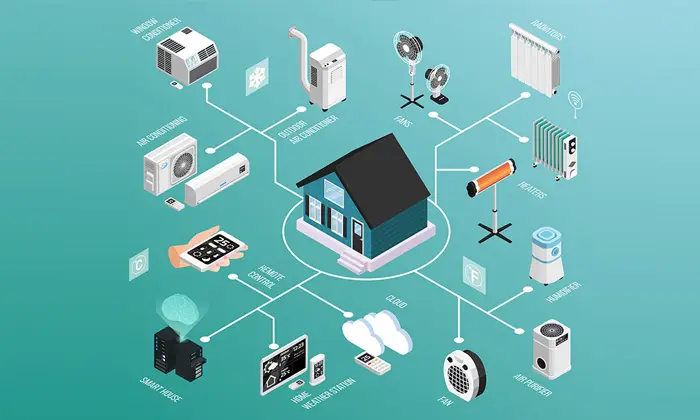
Smart technology is transforming homes, cities, transportation, and personal lifestyles. Devices that once seemed futuristic are now becoming normal parts of daily life.
Smart homes use connected devices to improve convenience, comfort, and energy efficiency. Voice assistants, smart lights, automated security systems, and intelligent appliances allow people to control many aspects of their homes digitally.
Smart cities are also emerging as governments and urban planners use technology to improve transportation, traffic management, public safety, and environmental sustainability. Sensors, data analysis, and automation help cities operate more efficiently and reduce waste.
Wearable technology is another growing trend. Smartwatches and fitness trackers help people monitor health, activity levels, sleep quality, and overall wellness.
As internet-connected devices continue increasing, everyday life will likely become more automated and digitally integrated. However, protecting privacy and cybersecurity will remain important challenges as more personal data becomes connected online.
Sustainability and Eco-Friendly Innovation
Sustainability has become one of the most important global future trends. Climate concerns, environmental awareness, and changing consumer expectations are encouraging businesses and individuals to adopt more eco-friendly practices.
Consumers are increasingly supporting brands that prioritize sustainability, ethical sourcing, and environmentally responsible production. Businesses are responding by reducing waste, improving packaging, and investing in renewable energy solutions.
Electric vehicles are becoming more popular as governments and companies focus on reducing pollution and dependence on fossil fuels. Renewable energy sources such as solar and wind power are also expanding rapidly worldwide.
Sustainable fashion, reusable products, and green technology innovations are influencing how people shop and live. Many future industries will likely prioritize environmental responsibility alongside profitability.
The future of sustainability is not only about protecting the planet. It is also about creating healthier communities, improving resource management, and building long-term economic resilience.
The Growth of E-Commerce and Digital Shopping
Online shopping has completely transformed consumer behavior. E-commerce continues growing rapidly as people increasingly prefer the convenience of shopping from home.
Digital marketplaces now offer personalized recommendations, faster delivery services, virtual product experiences, and mobile-friendly shopping platforms. Consumers expect convenience, speed, and seamless digital experiences from businesses.
Social media platforms are also becoming shopping destinations where users discover products directly through influencers, advertisements, and live-streamed content.
The future of retail will likely combine online convenience with personalized customer experiences. Technologies such as augmented reality may allow customers to virtually try products before purchasing.
Businesses that adapt to digital shopping trends and changing consumer expectations are more likely to remain competitive in the future marketplace.
The Impact of Automation on Industries
Automation is changing how businesses operate across manufacturing, logistics, customer service, and many other sectors. Machines and software systems now perform tasks that once required significant manual labor.
Automation improves efficiency, reduces operational costs, and increases productivity. Factories use robotics for manufacturing processes, while businesses automate customer support through chatbots and AI systems.
While automation creates opportunities for innovation and economic growth, it also raises concerns about job displacement. Some traditional roles may decline as technology handles repetitive tasks more efficiently.
However, automation also creates demand for new skills, careers, and industries. Technology-focused jobs, digital problem-solving, data analysis, and creative skills are becoming increasingly valuable in the modern workforce.
The future job market will likely require continuous learning and adaptability as industries evolve alongside technology.
Digital Education and Online Learning
Education is undergoing major transformation because of digital technology. Online learning platforms, virtual classrooms, and educational apps have made learning more flexible and accessible than ever before.
Students can now access courses, certifications, and educational resources from anywhere in the world. Online education allows people to develop new skills without traditional classroom limitations.
This trend is especially important as industries continue changing rapidly. Lifelong learning is becoming essential because professionals need to adapt to evolving technologies and workplace demands.
Digital education also creates opportunities for personalized learning experiences. Technology can adjust lessons based on individual learning styles and progress levels.
The future of education will likely combine traditional teaching methods with digital tools to create more interactive and accessible learning environments.
The Role of Social Media in Shaping Culture and Business
Social media continues influencing communication, entertainment, marketing, and public opinion globally. Platforms that began as social networking tools have evolved into powerful business and cultural ecosystems.
Businesses now rely heavily on social media for marketing, customer engagement, and brand visibility. Influencer marketing, short-form videos, and interactive content shape purchasing decisions and online trends.
Social media also impacts personal identity, communication styles, and mental health. While these platforms create opportunities for connection and creativity, excessive use can contribute to stress, comparison, and information overload.
Future trends in social media may focus more on immersive experiences, creator-driven economies, and personalized digital communities.
As digital influence grows, balancing online engagement with mental well-being will remain increasingly important.
Healthcare Innovation and Digital Wellness
Technology is transforming healthcare in remarkable ways. Telemedicine, wearable health devices, digital medical records, and AI-assisted diagnostics are improving healthcare accessibility and efficiency.
Patients can now consult doctors remotely, track health metrics through wearable devices, and access medical information more conveniently. These advancements improve healthcare experiences while reducing barriers for many people.
Mental health technology is also expanding rapidly. Meditation apps, therapy platforms, and digital wellness tools help people manage stress, anxiety, and emotional well-being.
Future healthcare trends may include personalized treatments, advanced biotechnology, and preventative health systems powered by artificial intelligence and data analysis.
Technology will likely continue making healthcare more proactive, accessible, and personalized in the coming years.
The Expansion of the Creator Economy
The internet has created entirely new career opportunities through the creator economy. Content creators, freelancers, influencers, online educators, and digital entrepreneurs are building businesses through online platforms.
People no longer rely only on traditional career paths to earn income. Digital platforms allow individuals to monetize creativity, expertise, and personal brands through videos, podcasts, courses, blogs, and online communities.
This trend is reshaping entertainment, marketing, and entrepreneurship. Businesses increasingly collaborate with creators because audiences often trust authentic personal content more than traditional advertising.
The creator economy also encourages flexibility and independent work opportunities, especially among younger generations.
As digital audiences continue growing, online content creation will likely become an even more influential part of the future economy.
Cybersecurity and Digital Privacy Challenges
As technology becomes more integrated into daily life, cybersecurity and digital privacy are becoming increasingly important. Personal information, financial data, and online activities are constantly stored and shared digitally.
Cyber threats such as data breaches, scams, and hacking incidents continue increasing worldwide. Businesses and individuals must take cybersecurity more seriously as digital dependence grows.
Future technology trends will likely include stronger data protection systems, advanced cybersecurity tools, and increased awareness about online safety practices.
Balancing convenience with digital security will remain one of the biggest challenges of the modern digital world.
The Human Side of Future Innovation
While technology drives many future trends, human values and emotional needs remain equally important. People still seek meaningful relationships, creativity, purpose, and emotional well-being despite increasing digital integration.
The future will not only be shaped by machines and software but also by how society chooses to use innovation responsibly. Businesses that prioritize human connection, ethical practices, and social responsibility will likely build stronger trust with future consumers.
Technology works best when it enhances human experiences rather than replacing them entirely. The most successful future trends will likely focus on improving quality of life while maintaining balance between digital advancement and emotional well-being.
Preparing for a Rapidly Changing Future
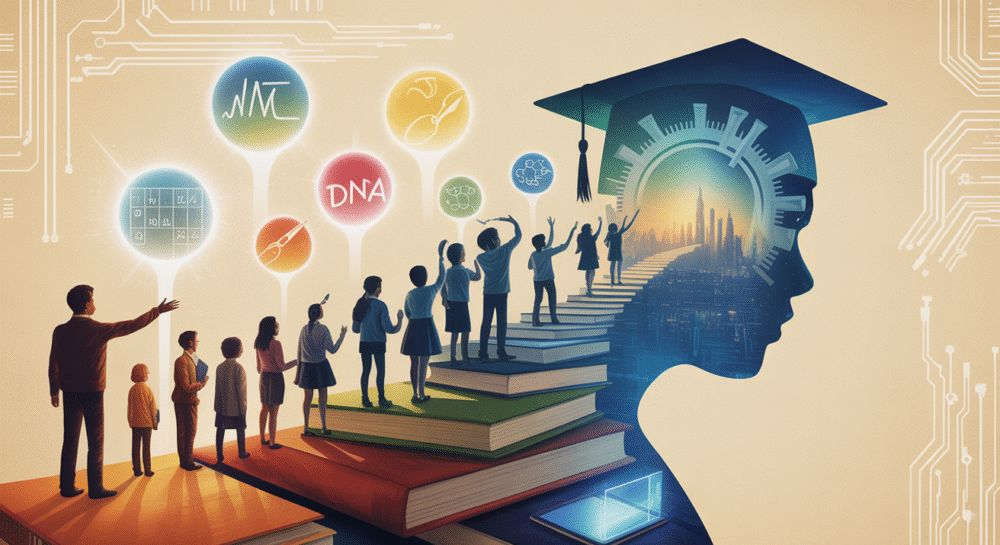
The future will continue evolving quickly, bringing both opportunities and challenges. Adapting to change will become one of the most valuable skills for individuals and businesses alike.
Staying informed about emerging trends helps people prepare for shifts in technology, careers, education, and consumer behavior. Flexibility, curiosity, and continuous learning will become increasingly important in a rapidly changing world.
Future trends are not only about predicting what comes next. They are about understanding how innovation shapes society and how people can use these changes to improve everyday life.
The future belongs to those who are willing to learn, adapt, and embrace change while staying grounded in human values and meaningful connections.
FAQs
1.What are future trends?
Future trends are emerging changes and innovations that influence technology, business, lifestyle, and society over time.
2.Why are future trends important?
Understanding future trends helps individuals and businesses prepare for changing industries, technologies, and consumer behaviors.
3.How is artificial intelligence shaping the future?
AI is improving automation, customer experiences, healthcare, education, and productivity across many industries.
4.Will remote work continue growing?
Yes, many businesses are continuing to adopt flexible and hybrid work models supported by digital technology.
5.Why is sustainability becoming a major trend?
People and businesses are becoming more environmentally conscious and focusing on reducing waste and protecting natural resources.